Culture and Community in Dresden: What Moved in February 2026
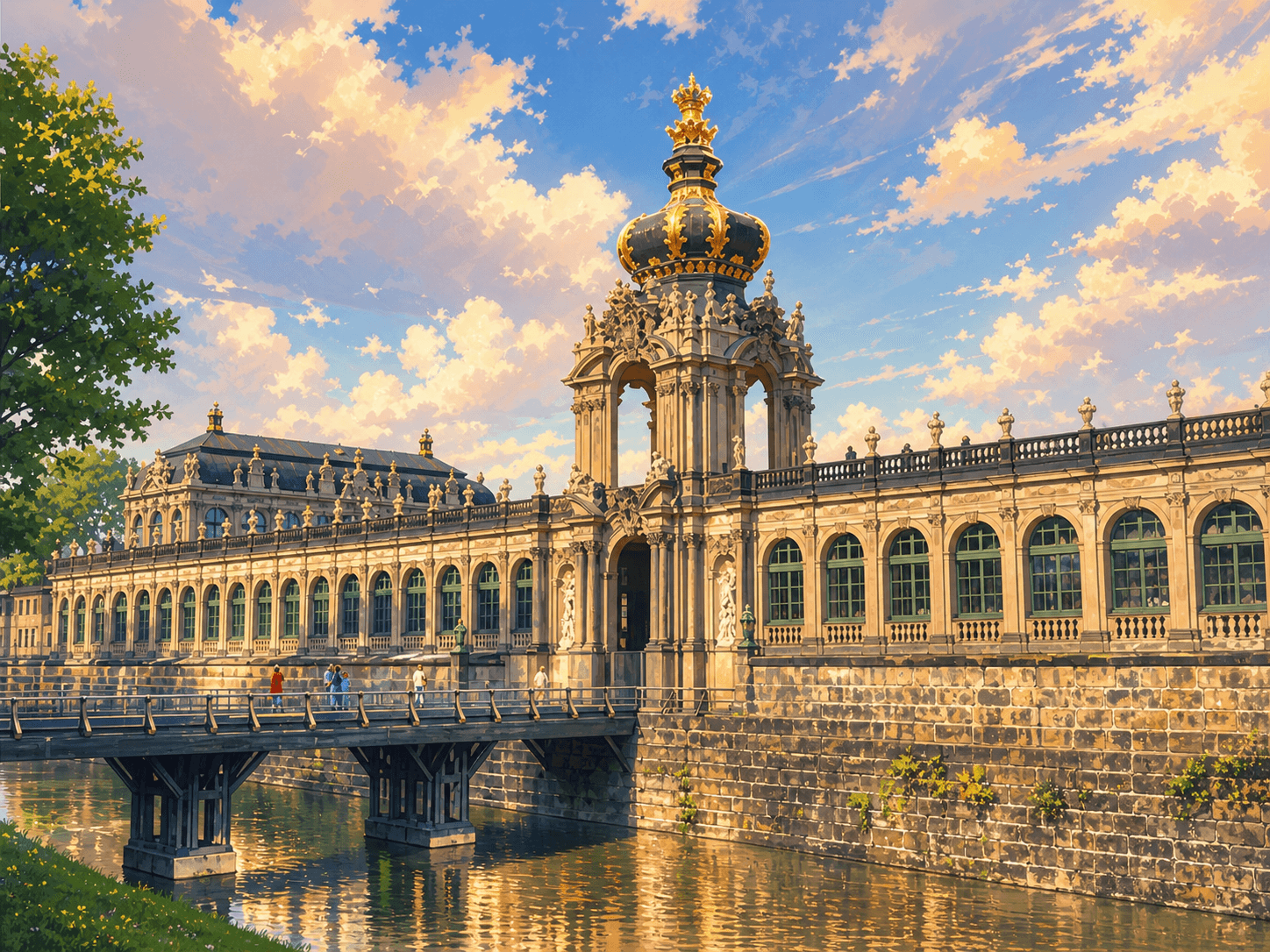
In February 2026, Dresden took a stronger look at cultural and community projects. Numerous grants, new appointments, and cultural initiatives show how the city is further developing and shaping its cultural structures in a citizen-oriented way. An overview of the most important developments.
Culture and Community in Dresden: What Moved in February 2026
The cultural landscape of Dresden is in motion. In February 2026, local projects, cultural grants, and personnel changes were in the spotlight. The city and its districts provided impetus for cultural diversity, citizen participation, and artistic support. This article summarizes the most important developments and analyzes what they mean for the future of cultural work in Dresden.
Cultural Grants: From Hip-Hop to the Opera
In February, several cultural projects were financially supported that enrich everyday life in Dresden's districts. A central example is the project "KILL YOU" by the ensemble La Vie e.V. within the framework of the "Thementage SUCHT," which was funded by the district advisory board of Pieschen with 5,554.20 euros. The project addresses issues of addiction in artistic form and shows how culture can also reflect social challenges.
Other projects in the same district, such as "HIP HOP im Kinder- und Jugendhaus Emmers" or "SePiJa – Jazzsession in Pieschen," were also presented and supported. This underlines the importance of cultural offerings for children and youth as well as for local identity.
Equally notable is the funding of "The Comical Opera based on a Fairy Tale from One Thousand and One Night" by the district advisory board of Plauen. This project marks not only a cultural highlight but also a historical occasion—the 200th anniversary of Carl Maria von Weber's death. The 2,500 euro grant shows how local politics actively shapes cultural memory.
Structural Changes in the Cultural Advisory Board
Another important event was the recall and reappointment of a member of the Cultural Advisory Board of the capital city of Dresden. Mrs. Nazanin Zandi was recalled in advance, and in her place, Olga Sperling (Interkultur) was appointed. This personnel change has implications for the city's cultural consultation and shaping.
The appointment was made in accordance with § 5 (2) of the Saxon Cultural Space Act and emphasizes the importance of diversity and intercultural exchange in Dresden's cultural policy. The Committee for Culture and Tourism discussed these changes at its meeting on February 3, 2026, and demonstrated transparency and a citizen-oriented approach.
Local Cultural Initiatives and Citizen Participation
There were also impulses for cultural work in other districts. For example, in Cotta, a photo exhibition about the industrial building of architect Kurt Bärbig was funded. The project organizer Sportgruppe IFW Dresden e.V. received 790 euros from municipal funds. Such projects help to make local history and culture visible and to inspire the population.
In Leuben, the focus was on organ and vespers concerts at the Catholic parish church of Holy Family. These culturally religious events received a grant of 1,900 euros and show how religious structures can remain culturally active.
In Altfranken, citizen events were also supported. The interest group Altfranken received 200 euros for events that serve the relationships within the district. This is an example of how small financial means can have a big impact on the community.
Outlook and Challenges
The developments in February 2026 show that Dresden is evolving culturally and socially. At the same time, the challenge remains to finance cultural offerings sustainably and to actively involve citizens. Grants are important, but often limited to one year, which makes long-term planning difficult.
In the future, it will depend on how well the city structure and municipal resources can be used to not only support but also anchor cultural work. Transparency in decision-making processes also plays a role—such as in the public meetings of the district advisory boards.
Overall, February 2026 has shown that Dresden has a vibrant cultural life that is based on committed citizens, creative initiatives, and financial support. The challenge now is to use this momentum and shape cultural work sustainably in the coming years.
NeoSearch analyses public council documents, committee minutes and municipal announcements. Source references appear automatically once verified meeting data is available.
What does this mean for businesses?
Municipal council decisions are early indicators: following the council agenda surfaces projects and tenders months before the official award — before they ever reach the procurement portals.
Track similar decisions in your region
Set up monitoring for Culture and Community in Sachsen — prefilled from this article.
Set up monitoring →More signals from Dresden
Environment and Climate in Dresden April 2026: Focus of the 20th Committee Meeting
In April 2026, environmental and climate policy will be in the spotlight in Dresden. The Committee for Environment and Climate will address key topics such as the municipal heat plan, waste management, and wind energy use. An overview of the most important decisions and debates.
Read more → Social Affairs and Housing in Dresden: Political Priorities in April 2026
In April 2026, the Committee for Social Affairs and Housing in Dresden focused on key topics such as budget adjustments, barrier-free mobility, and emergency housing concepts. An overview of the most important decisions and developments.
Read more → Culture and Community in Dresden: Decisions and Developments in April 2026
In April 2026, Dresden saw numerous developments in the area of culture and community. From new funding models and fee adjustments to structural reports – the Committee for Culture and Tourism set important impulses.
Read more →