Climate and Environment in Dresden: Focus on Decisions in February 2026
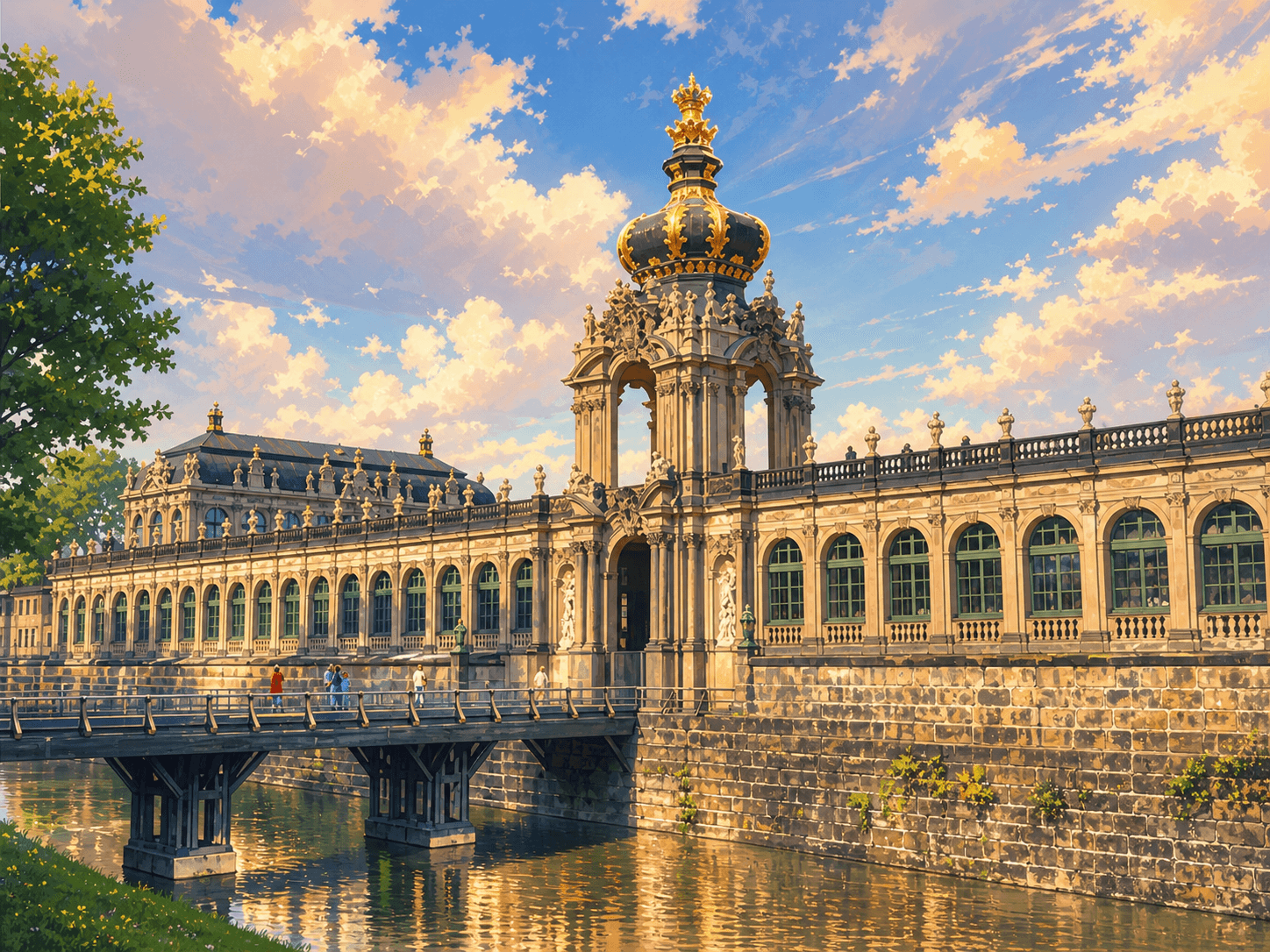
The Environment and Climate Committee in Dresden has taken decisive steps toward climate protection, flood protection, and sustainable urban planning in February 2026.
Climate Protection and Environment in Dresden: What's New in February 2026?
In February 2026, the Environment and Climate Committee of Dresden, the state capital city, made several important decisions that affect environmental, financial, and infrastructural aspects. The topic of climate and environment has become increasingly central in Dresden in recent years – not least due to the ongoing challenges posed by climate change and flood events. The current legislative period therefore focuses more strongly on long-term planning, sustainability, and preventive measures.
Price Reform in the Funeral Sector: Switch to Private-Law Models
A central decision of the committee was made on February 2, 2026: the transition to private-law pricing for the crematorium in Dresden-Tolkewitz. This reform aims to make the offering more transparent and competitive without neglecting basic social needs. At the same time, an amendment to the regulations of the municipal enterprise for cemetery and funeral services was passed.
The decision was unanimously approved with 10 yes votes, underscoring the broad political consensus. The reform is part of a larger strategy to make municipal services more efficient and market-oriented without losing sight of public responsibility.
Flood Protection: Progress in the Elbe and Prießnitz Areas
Another key focus was flood protection. The committee discussed the current status of planning for flood-adapted design in the outflow area of the Elbe in the Altelbarm and at the entrance to the Ostragehege. These measures are part of a long-term strategy to significantly reduce risks from heavy rain and flood events by 2030.
In addition, the Flood Risk Management Plan (HWRM-P) for the Prießnitz was presented. This plan is a central component of the EU Flood Directive framework and defines measures for risk assessment and mitigation. Dresden is particularly challenged in this context, as the Prießnitz frequently causes flooding in the city center.
Nature-Friendly School Grounds: Combining Climate and Education Policy
Another exciting project that combines climate protection with education policy is the initiative for the natural design of school grounds. The goal is to redesign schoolyards so that they not only meet ecological requirements but also serve as learning environments for climate protection and sustainability. These measures not only contribute to CO2 reduction but also strengthen the awareness of the younger generation regarding environmental issues.
Outlook: Dresden as a Pioneer in Climate Protection
The decisions of the Environment and Climate Committee in February 2026 show that Dresden is continuously moving toward becoming a climate-fit and resilient city. The combination of economic efficiency, flood protection, and education policy makes Dresden a model for other cities in Germany. What remains to be seen is whether the planned projects can actually be realized by 2030 – and how the current policies will sustainably affect the quality of life of Dresden’s residents.
NeoSearch analyses public council documents, committee minutes and municipal announcements. Source references appear automatically once verified meeting data is available.
What does this mean for businesses?
Municipal heat planning, photovoltaics and climate measures create early project indicators. Following council decisions surfaces sites and tenders before they are publicly advertised.
Track similar decisions in your region
Set up monitoring for environment & climate in Sachsen — prefilled from this article.
Set up monitoring →More signals from Dresden
Environment and Climate in Dresden April 2026: Focus of the 20th Committee Meeting
In April 2026, environmental and climate policy will be in the spotlight in Dresden. The Committee for Environment and Climate will address key topics such as the municipal heat plan, waste management, and wind energy use. An overview of the most important decisions and debates.
Read more → Social Affairs and Housing in Dresden: Political Priorities in April 2026
In April 2026, the Committee for Social Affairs and Housing in Dresden focused on key topics such as budget adjustments, barrier-free mobility, and emergency housing concepts. An overview of the most important decisions and developments.
Read more → Culture and Community in Dresden: Decisions and Developments in April 2026
In April 2026, Dresden saw numerous developments in the area of culture and community. From new funding models and fee adjustments to structural reports – the Committee for Culture and Tourism set important impulses.
Read more →