Climate and Environment in Dresden – Decisions and Debates January 2026
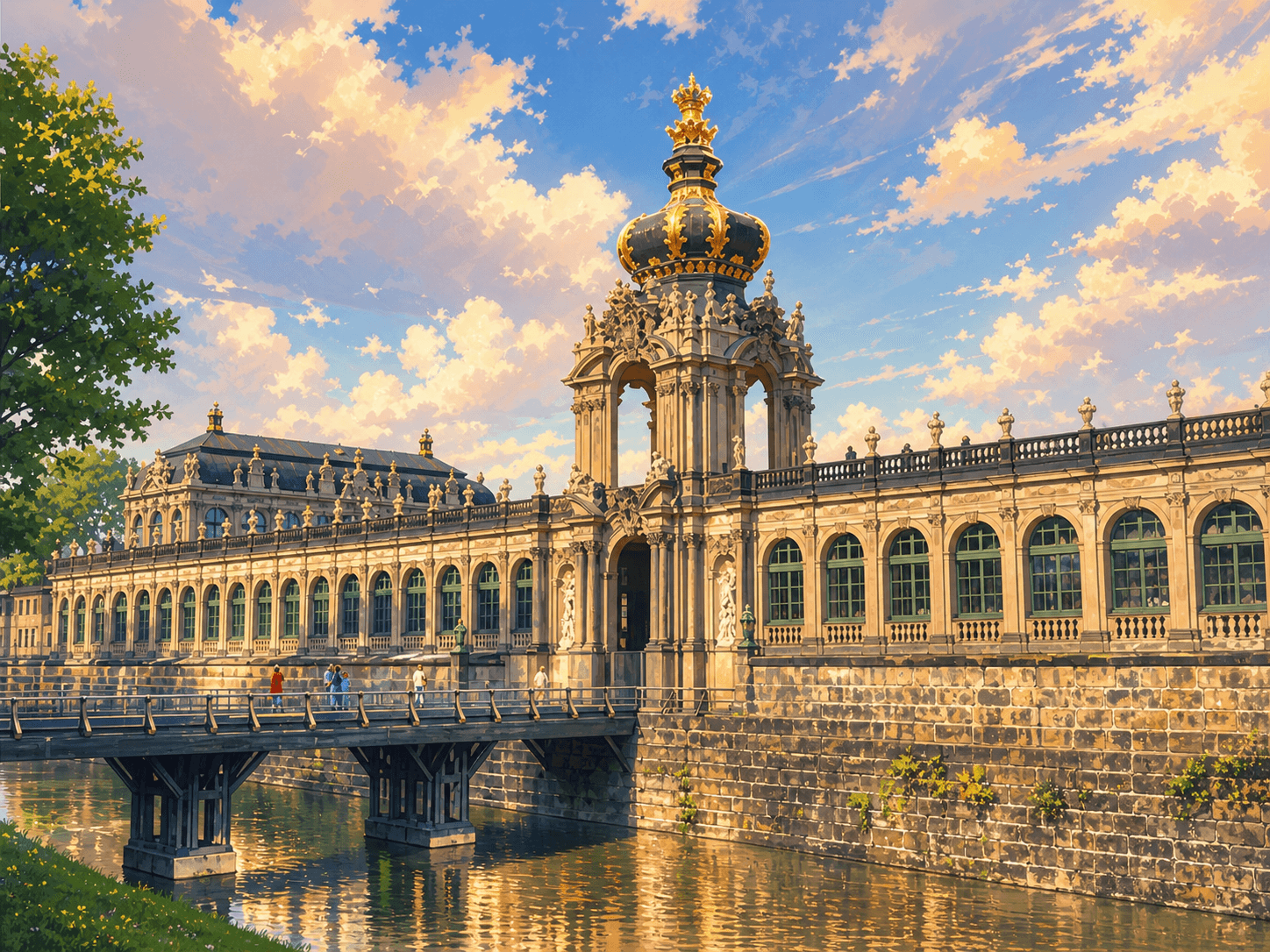
In January 2026, Dresden's Committee for Environment and Climate addressed key topics such as flood protection, climate adaptation, and PFAS contamination. An overview of the most important decisions and background information.
Environment and Climate in Dresden: What Was Decided in January 2026
In January 2026, the Committee for Environment and Climate was at the center of municipal debates. Dresden, one of the largest cities in Saxony, has increasingly committed to sustainability and climate protection in recent years. The decisions and reports discussed in the 17th session of the committee in January reflect the central challenges and potential solutions.
Flood Protection and Stormwater Management
A central topic was the first reading of the Flood Risk Management Plan (FRMP) for the Prießnitz River. The Prießnitz, a tributary of the Elbe, has historically been known for causing floods in the region. The new plan aims to systematically reduce flood risks. This includes measures such as improved drainage, flood embankments, and digital monitoring systems.
In addition, a report on stormwater management and Smart City initiatives was presented. Due to its topography, Dresden is particularly vulnerable to heavy rainfall events. The city is relying on connected sensors, preventive sewer cleaning, and new stormwater retention basins. The report shows that Dresden is making progress in its Smart City strategy, but further investments in infrastructure are still needed.
PFAS Contamination in Weixdorf: Transparency and the Need for Action
Another important topic was the report on PFAS contamination in the district of Weixdorf. PFAS (per- and polyfluoroalkyl substances) are controversial chemicals that can be detected in soil and groundwater and may be harmful to health. Elevated levels have been measured in Weixdorf, leading to public concern.
The discussion during the session showed that although Dresden is creating transparency, there is still no clear strategy for remediation or long-term monitoring. Critics are calling for faster action from the city and for the potential impacts on drinking water production and agricultural land use to be taken into account.
Climate Adaptation in Urban Development: From Birch Tree Removal to the BUGA 2033
An unexpected discussion point was the removal of old birch trees at the Schönborn Civic Center. The trees were considered a risk due to storm damage and drought susceptibility. The city now plans a careful replanting strategy to preserve green spaces. This illustrates how climate change is also being felt in urban vegetation.
Another project is the update of the BUGA 2033 concept, the Federal Garden Show. Dresden will host the event in 2033, and the planning is intended to promote sustainable garden designs and climate protection measures. The BUGA offers an opportunity to highlight environmentally friendly technologies and design principles.
Outlook: Climate Protection as a Central Urban Priority
The decisions made in January 2026 show that Dresden is not only keeping climate protection on the political agenda but also implementing it in concrete projects and measures. Whether it is stormwater management, PFAS contamination, or the BUGA 2033 – the city faces challenges, but also opportunities to become more environmentally friendly and resilient.
In the future, it will be important to strengthen cooperation between politics, science, and civil society in order to jointly find solutions to the climate crisis. Dresden has taken a first step with these decisions – now it is time to take the next one.
NeoSearch analyses public council documents, committee minutes and municipal announcements. Source references appear automatically once verified meeting data is available.
What does this mean for businesses?
Municipal heat planning, photovoltaics and climate measures create early project indicators. Following council decisions surfaces sites and tenders before they are publicly advertised.
Track similar decisions in your region
Set up monitoring for environment & climate in Sachsen — prefilled from this article.
Set up monitoring →More signals from Dresden
Environment and Climate in Dresden April 2026: Focus of the 20th Committee Meeting
In April 2026, environmental and climate policy will be in the spotlight in Dresden. The Committee for Environment and Climate will address key topics such as the municipal heat plan, waste management, and wind energy use. An overview of the most important decisions and debates.
Read more → Social Affairs and Housing in Dresden: Political Priorities in April 2026
In April 2026, the Committee for Social Affairs and Housing in Dresden focused on key topics such as budget adjustments, barrier-free mobility, and emergency housing concepts. An overview of the most important decisions and developments.
Read more → Culture and Community in Dresden: Decisions and Developments in April 2026
In April 2026, Dresden saw numerous developments in the area of culture and community. From new funding models and fee adjustments to structural reports – the Committee for Culture and Tourism set important impulses.
Read more →