Governance and Administration in Dresden: Analysis of Decision-Making in February 2026
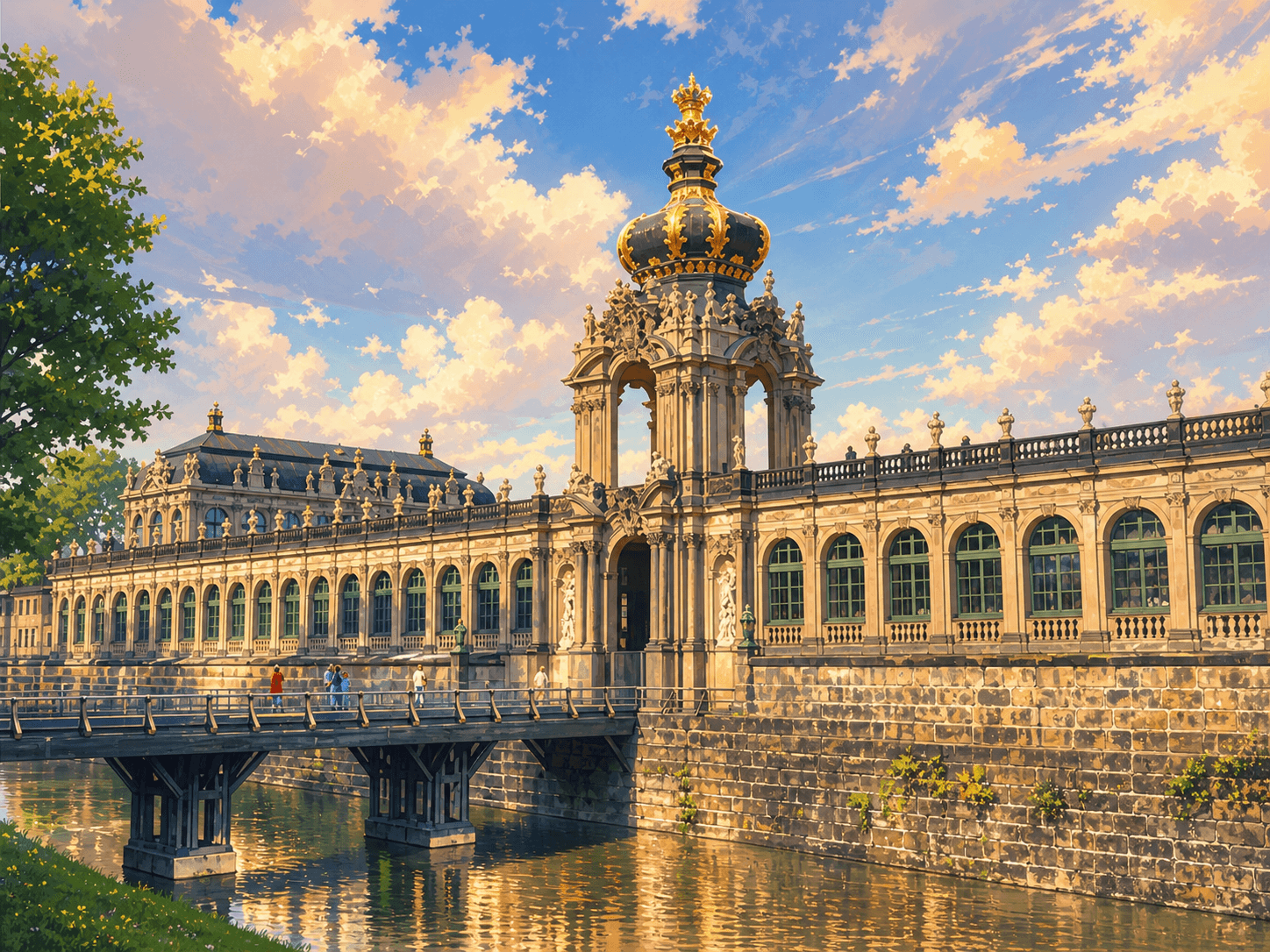
In February 2026, various committee meetings and decisions in the field of governance and administration were in focus in Dresden. From local councils to the Petitions Committee and district advisory boards—Dresden set impulses in terms of civic participation, order policy, and administrative structures.
Governance and Administration in Dresden: Decisions in February 2026
The city of Dresden is a complex administrative system in which decisions are made at different levels. In February 2026, numerous meetings took place, providing a broad overview of the governance structures and the city's priorities. The topics ranged from civic participation to order policy and administrative planning. The following analysis focuses on the most important decisions made.
Local Councils: Local Decisions with Broad Impact
The local councils of Gompitz, Mobschatz, and Cossebaude were at the forefront in February 2026 for several decisions. In Gompitz, the local council held a meeting on February 2, 2026, during which, among other things, the postponement of the meeting scheduled for March 30, 2026, was decided. This flexibility is an indicator of the adaptability of local structures to changing planning conditions.
In the same month, the local council of Mobschatz decided on February 5, 2026, to support an environmental education and neighborhood cleanliness initiative with a budget of up to 150 euros. This shows how local councils can also act as coordinators for civil initiatives.
In Cossebaude, a discretionary fund for the local mayor was established on February 10, 2026, in the amount of 3,000 euros. This budget enables a rapid response to local needs and serves as an example of the decentralization of decision-making power in municipal administration.
Petitions and Civic Participation: Successful Implementation
The Petitions and Civic Participation Committee convened on February 4, 2026, and adopted several decisions. A central petition concerned the structural opening of Rossendorfer Straße in Dresden-Bühlau. The committee decided that the petition could be addressed, underscoring the importance of citizen initiatives in local politics and showing that Dresden is striving to consider the interests of its population.
In addition, several other petitions were discussed, with the votes casting clearly. The transparency and public discussion of such topics contribute to strengthening citizens' trust in political structures.
District Advisory Boards: Local Planning and Project Development
In February 2026, the district advisory boards of Altstadt and Blasewitz also convened. In Altstadt, topics such as youth and children's participation and the funding of construction projects were in focus. The principle decision on the "Bauturbo" (Law for the Acceleration of Housing Construction) was discussed, highlighting the central role of district advisory boards in implementing overarching planning goals.
In Blasewitz, the meeting on February 25, 2026, was broadcast live, emphasizing a modern form of civic participation. Among other things, discussions focused on changes to land use plans and school route safety—topics closely related to the quality of life of the residents.
Governance as the Key to Stability
The decision-making processes in February 2026 show that Dresden uses a multifaceted governance system that takes into account both local and overarching interests. The decentralization of decision-making power in local councils and district advisory boards enables more precise planning and stronger civic involvement.
In addition, the transparency of the processes—through public meetings, live streams, and voting results—is a central component of municipal governance. This transparency is not only a democratic principle but also an instrument to build trust and acceptance.
Outlook: Governance in 2026 and Beyond
In 2026 and beyond, Dresden will have to address further challenges in governance and administration. The digitalization of processes, the strengthening of civic participation, and the adaptation to new legal frameworks (such as the "Bauturbo") are central topics.
Dresden is moving towards a modern, transparent, and citizen-oriented administration. The decisions made in February 2026 are another milestone on this path.
NeoSearch analyses public council documents, committee minutes and municipal announcements. Source references appear automatically once verified meeting data is available.
What does this mean for businesses?
Town halls, fire stations, depots and administrative buildings create early construction and refurbishment opportunities. Following council agendas reveals projects before they go to tender.
Track similar decisions in your region
Set up monitoring for public buildings & administration in Sachsen — prefilled from this article.
Set up monitoring →More signals from Dresden
Environment and Climate in Dresden April 2026: Focus of the 20th Committee Meeting
In April 2026, environmental and climate policy will be in the spotlight in Dresden. The Committee for Environment and Climate will address key topics such as the municipal heat plan, waste management, and wind energy use. An overview of the most important decisions and debates.
Read more → Social Affairs and Housing in Dresden: Political Priorities in April 2026
In April 2026, the Committee for Social Affairs and Housing in Dresden focused on key topics such as budget adjustments, barrier-free mobility, and emergency housing concepts. An overview of the most important decisions and developments.
Read more → Culture and Community in Dresden: Decisions and Developments in April 2026
In April 2026, Dresden saw numerous developments in the area of culture and community. From new funding models and fee adjustments to structural reports – the Committee for Culture and Tourism set important impulses.
Read more →