Governance in Dresden: Decisions and Processes in January 2026
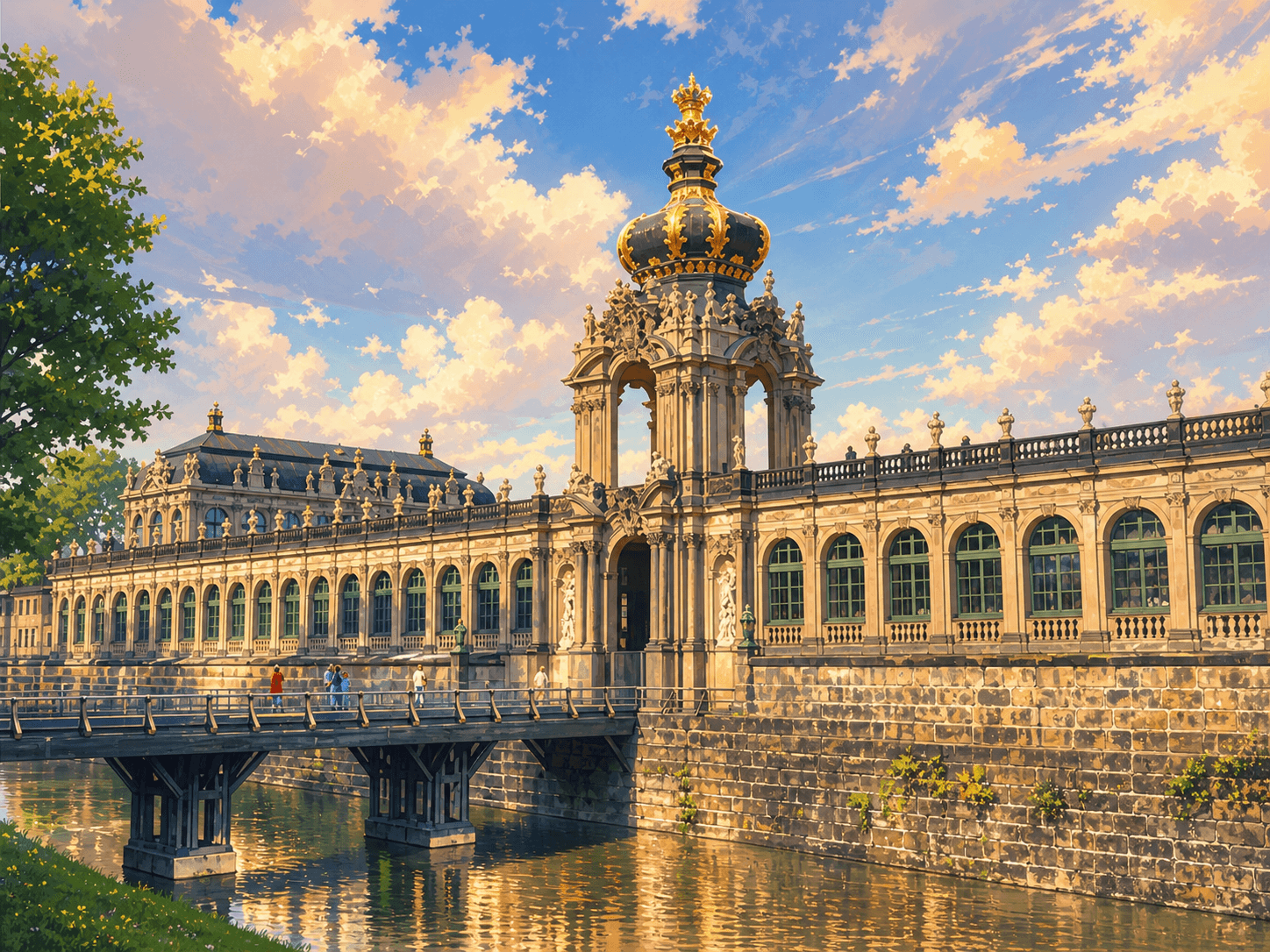
January 2026 brought significant decisions and discussions in Dresden regarding governance and administration. From the recognition concept for senior citizens to the revitalization of the TV Tower and the BUGA 2033 application – the city focused clearly on citizen-oriented politics and structured administration.
Governance and Administration in Dresden: Decisions in January 2026
The city administration in Dresden dealt with a variety of topics in January 2026 that have both symbolic and practical relevance for citizens. Particularly notable were the decisions in the field of governance, which aimed at transparency, citizen-oriented action, and long-term planning. These developments indicate how Dresden shapes administrative processes in the city while taking both local and regional interests into account.
Quarterly Honoring Ceremonies in Pieschen: A Citizen-Oriented Signal
On January 13, 2026, the District Advisory Board of Pieschen decided to hold quarterly honoring ceremonies for senior citizens turning 80 years old. The measure is not only a symbolic sign of appreciation for old age but also an example of citizen-oriented action in local politics. The city has allocated a total of 400 euros per year for this purpose, demonstrating its ability to implement small yet meaningful projects. The Mayor was tasked with organizing the ceremonies, emphasizing the central role of the executive in implementing local decisions.
The public session in which this decision was made took place at the District Office of Pieschen and was transparent to the citizens. This is a positive signal for transparency in governance, which remains a challenge in many cities across Germany.
Revitalization of the TV Tower: Governance Between Planning and Practice
Another focus of governance in January was the revitalization of the Dresden TV Tower. In several meetings, including the District Advisory Board of Loschwitz and the Local Council of Schönfeld-Weißig, the implementation phase of the revitalization measures was discussed. The steering group, established as early as 2017, has worked intensively in the past years and now proposed concrete steps.
The decisions made in January illustrate how complex governance processes can be in practice. In addition to the technical renovation of the tower, ownership issues, financing models, and the inclusion of the public must also be considered. The approval of the revitalization by several committees signals broad support for the project. At the same time, it also shows that governance in Dresden is often safeguarded through multiple levels, which promotes transparency but can also lead to lengthy decision-making processes.
BUGA 2033 Application: Governance on a Regional Level
Dresden's bid to host the Federal Garden Show (BUGA) 2033 is another example of governance on a regional level. As early as 2022, the City Council expressed its interest in the BUGA, and in January 2026, further steps in this direction were decided. The Mayor was tasked with developing a feasibility study, organizing state support, and convening an application advisory board.
These decisions show how Dresden, at the political level, seeks to position itself as an attractive city for regional projects. In this context, the governance procedure is particularly important as it takes into account the interests of various stakeholders – from city councilors through the economy to the citizens. The involvement of the region and the establishment of an application advisory board are decisive elements that strengthen the legitimacy of the application.
Governance in Practice: Transparency, Decision-Making, and Citizen Participation
Another aspect emerging from the January decisions is the increasing importance of citizen participation and transparency in governance. In Dresden, many meetings are public or accessible via livestream. This fosters citizens' trust in political processes and enables broader participation.
At the same time, the reports on the meetings and the publication of documents show that Dresden has already established a certain level of transparency. However, the challenge remains to actively involve citizens in the decision-making process, especially in projects such as the BUGA 2033 or the revitalization of the TV Tower, where the long-term effects on the city society are significant.
Conclusion: Governance in Dresden – Future Readiness Through Structure and Transparency
The decisions in January 2026 show that Dresden is relying on clear structures, transparency, and citizen participation in governance. Whether in the recognition of senior citizens or in the revitalization of the TV Tower – the city follows a pragmatic approach that includes both symbolic and practical elements.
In the future, it will be important to further develop these structures in order to meet the challenges of urbanization, digital transformation, and climate change adaptation. In this context, Dresden could serve as a model for other cities in Saxony and beyond – provided that governance remains citizen-oriented, transparent, and efficient.
NeoSearch analyses public council documents, committee minutes and municipal announcements. Source references appear automatically once verified meeting data is available.
What does this mean for businesses?
Town halls, fire stations, depots and administrative buildings create early construction and refurbishment opportunities. Following council agendas reveals projects before they go to tender.
Track similar decisions in your region
Set up monitoring for public buildings & administration in Sachsen — prefilled from this article.
Set up monitoring →More signals from Dresden
Environment and Climate in Dresden April 2026: Focus of the 20th Committee Meeting
In April 2026, environmental and climate policy will be in the spotlight in Dresden. The Committee for Environment and Climate will address key topics such as the municipal heat plan, waste management, and wind energy use. An overview of the most important decisions and debates.
Read more → Social Affairs and Housing in Dresden: Political Priorities in April 2026
In April 2026, the Committee for Social Affairs and Housing in Dresden focused on key topics such as budget adjustments, barrier-free mobility, and emergency housing concepts. An overview of the most important decisions and developments.
Read more → Culture and Community in Dresden: Decisions and Developments in April 2026
In April 2026, Dresden saw numerous developments in the area of culture and community. From new funding models and fee adjustments to structural reports – the Committee for Culture and Tourism set important impulses.
Read more →