Housing Policy and Social Affairs in Magdeburg in Focus
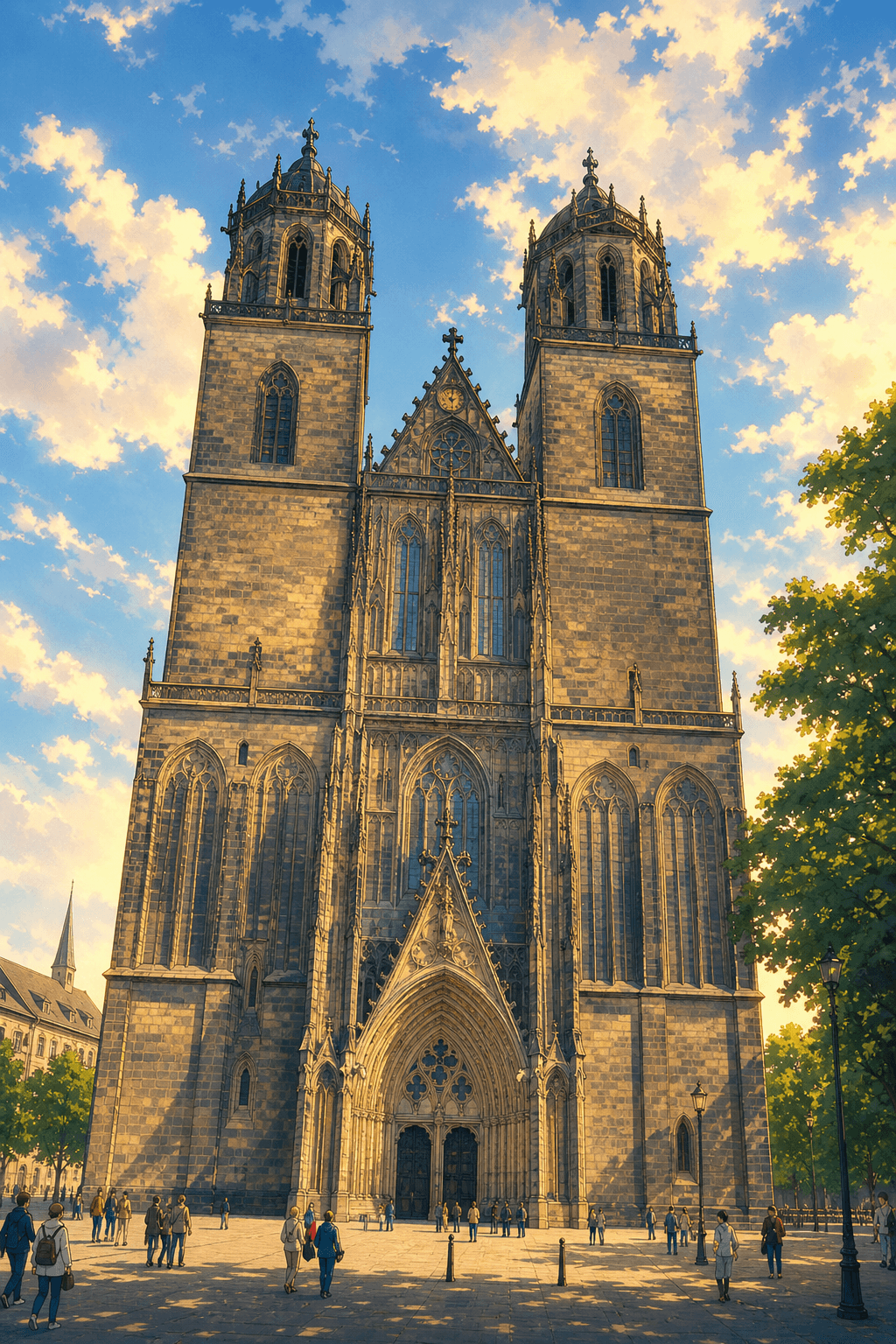
In February 2026, important decisions in the areas of social affairs and housing policy were at the center of attention in Magdeburg – although not all planned meetings took place. This blog post analyzes the developments, backgrounds, and consequences.
Housing Policy and Social Development: A Challenge for Magdeburg
In times of rising rents, housing shortages, and social inequality, housing policy is a central component for a city's future viability. In Magdeburg, as in many other German cities, the political and administrative bodies face the challenge of promoting social housing, protecting tenants, and at the same time supporting economic development. February 2026 brought both concrete decisions and the cancellation of key meetings in this area – indicating the complexity and dynamics of the issues beyond the public eye.
Cancellation of a Session in the Committee for Family and Equal Opportunities
On 24 February 2026, the Committee for Family and Equal Opportunities was scheduled to hold its regular session under the number FuG/018(VIII)/26. However, as officially announced, this session was canceled. The public part of the session had originally been labeled as "Ö 1 This session is canceled!"
Although no official reason was given, such cancellations in the past have often been linked to organizational difficulties, scheduling problems, or political deadlock. In an area responsible for making far-reaching social policy decisions, every hour of delay affects the planning and implementation of projects. This can lead to delays for initiatives such as the promotion of family centers, equal opportunities work, or the integration of refugees.
Housing Policy in Magdeburg: Where Are We?
Despite the canceled session in the Committee for Family and Equal Opportunities, Magdeburg continues to pursue an active housing policy. In recent months, several projects have been initiated to strengthen social housing. These include:
- The expansion of the Social Housing Program (SWP) by 100 new units.
- The introduction of a tenant agreement to regulate rent increases.
- The promotion of municipal building cooperatives, particularly in peripheral areas such as Havelberg or Börde.
These measures are part of a long-term strategy to combat the housing shortage in Magdeburg and at the same time prevent social segregation. However, they face resistance from the economic and construction sectors, which express concerns about investment security and rising costs for construction projects.
Tensions Between Social Policy and Economic Interests
The current housing debate in Magdeburg reflects the tensions that many German cities are currently experiencing. On the one hand, there is an urgent need for affordable housing, particularly for families, students, and low-income earners. On the other hand, investors and construction companies are under pressure to realize economically viable projects.
Magdeburg is addressing this with a compromise strategy: Social housing promotion remains in the foreground, but the city is trying to stimulate investments through flexible financing models and partnerships with the private sector. At the same time, more investment is being made in the maintenance of existing housing to reduce vacancy rates.
Outlook: Housing in Magdeburg – Challenges Remain
Although February 2026 did not bring particularly spectacular decisions in Magdeburg's housing policy, the developments show that the city is pursuing a long-term course. However, the challenges remain significant: The demand for social housing continues to rise, the costs for construction measures have increased, and political debates are becoming increasingly emotional.
To bridge the gap between supply and demand, it takes not only financial resources but also political courage and social responsibility. Magdeburg is on the right track – but the coming months will show whether the strategy succeeds.
NeoSearch analyses public council documents, committee minutes and municipal announcements. Source references appear automatically once verified meeting data is available.
What does this mean for businesses?
Town halls, fire stations, depots and administrative buildings create early construction and refurbishment opportunities. Following council agendas reveals projects before they go to tender.
Track similar decisions in your region
Set up monitoring for public buildings & administration in Sachsen-Anhalt — prefilled from this article.
Set up monitoring →More signals from Magdeburg
Economic Development in Magdeburg: Innovation, Tourism, and Structural Development in April 2026
In April 2026, Magdeburg is setting key priorities in economic development. The focus is on structural improvements, tourist marketing, and the strengthening of urban life.
Read more → Magdeburg's Housing Policy in April 2026: Heat, Digitalization, and Social Security
In April 2026, social affairs and housing policy were at the center of attention in Magdeburg. From the digitalization of social administration to the Heat Action Plan and issues of equal rights – the city is pursuing several strategic shifts to advance social justice and climate protection.
Read more → Magdeburg's Procurement System in April 2026: Changes and Impacts
In April 2026, Magdeburg placed a focus on adapting its procurement system. Thresholds for contracts and approvals were increased, and responsibilities between committees and the Mayor were redistributed. This article analyzes the background, decisions, and potential consequences of this reform.
Read more →