Economic Development in Magdeburg – Challenges and Initiatives in March 2026
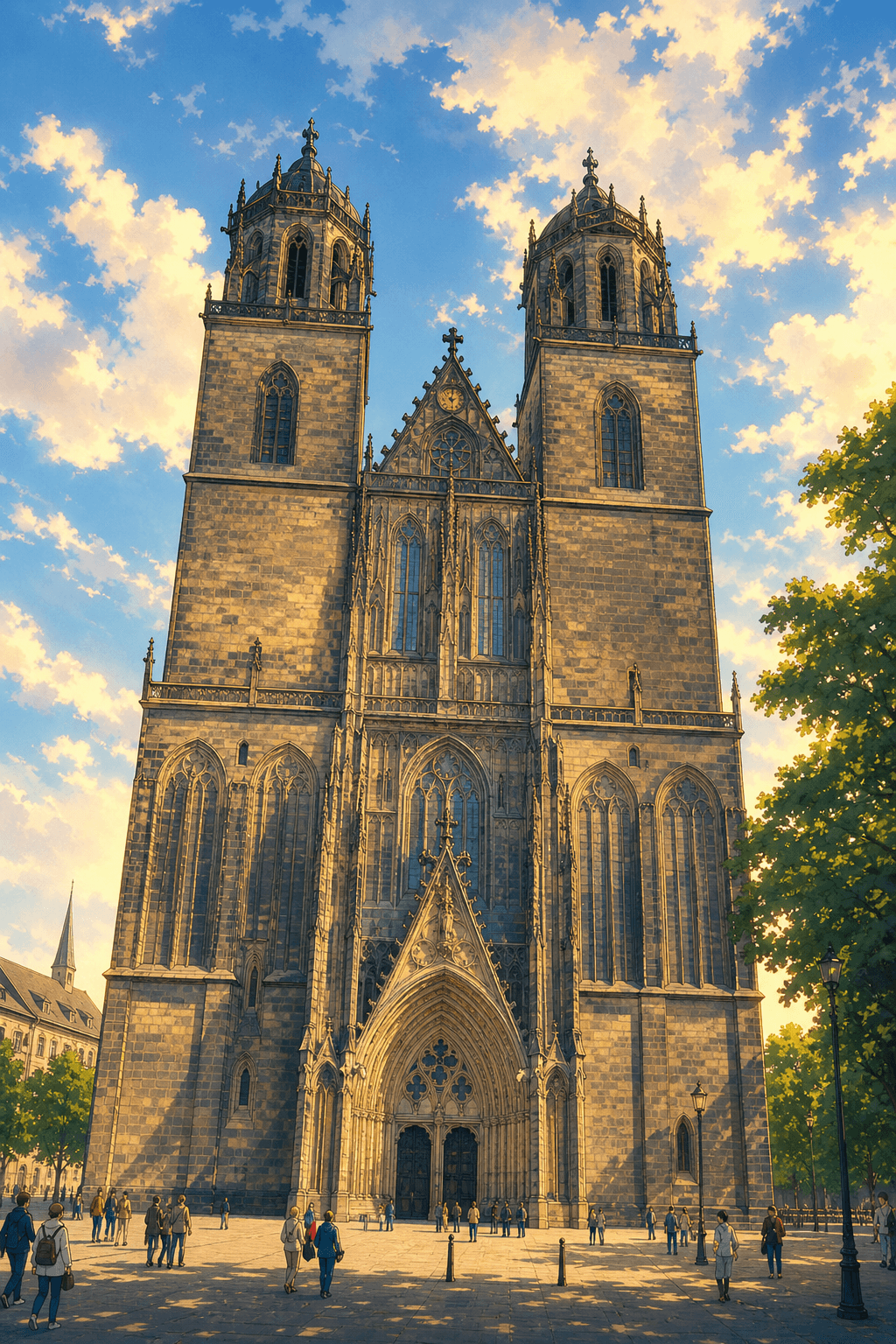
In March 2026, Magdeburg made key decisions and launched initiatives aimed at promoting economic development. The focus was on topics such as car-sharing, climate neutrality, tourism, and the fight against undercutting prices in the taxi sector. An overview of the discussions and measures taken in the Committee for Economic Development, Tourism, and Regional Development.
Economic Development in Magdeburg: Focus on Mobility, Tourism, and Competitive Structures
In March 2026, Magdeburg's Committee for Economic Development, Tourism, and Regional Development was active in finalizing central topics of urban development. The discussions covered a broad range of economic and traffic-related issues, including the expansion of car-sharing offers, the fight against undercutting prices in the taxi sector, the development of tourism projects, and the implementation of climate neutrality.
Expansion of Car-Sharing and Charging Infrastructure
A central topic was the expansion of car-sharing in Magdeburg. The city has identified potential locations – including Tismarstraße, Bahnhofstraße, and Schellheimerplatz – where car-sharing parking spaces with charging infrastructure could be set up. However, the administration emphasized that the charging infrastructure must be built by the car-sharing companies themselves, as the city does not operate public charging infrastructure.
So far, only the company teilAuto eG has expressed interest in provider-bound parking spaces, without, however, requesting charging infrastructure. After further discussions, this company has not engaged further. Thus, the expansion of the car-sharing offer is currently at a standstill, at least for now.
Fight against Undercutting Prices in the Taxi Sector
The discussion on minimum transportation fees (MBE) for taxi rides remained a sensitive issue. The goal is to curb undercutting prices and wages by platform companies such as Uber and Bolt. Magdeburg plans to define legally secure MBE in accordance with §51a PBefG, with models from other cities like Heidelberg and Hanover being discussed as examples.
In Heidelberg, MBE have already been introduced via a general administrative order, but the national association "wirfahren" has filed an objection. Magdeburg considers the commissioning of an expert opinion premature for now and plans to proceed only after the objection process in Hildesheim has been completed. Strengthened business inspections of taxi companies are planned for the second half of 2026 to combat social fraud and monitor legal regulations.
Tourism Development and Cultural Routes
Another focus was the development of the cultural route "European Route of Magdeburg Law." The project has tourism potential and could serve as a trans-European connection. The experiential value of Magdeburg Law was also discussed, including a new monument at the Strombrückenzug. A proposal for the establishment of an internet platform (magdeburg-law.com) received approval to network cities along the route.
In addition, initiatives for tourism promotion were presented, including the annual report on the tourism concept and the status report on the implementation of the City Council's resolution "Stop the migration of young people."
Climate Neutrality and Budget Development
Magdeburg has decided to revoke the original decision for climate neutrality by 2035 and instead aims for the national target year of 2045. Climate protection measures will be implemented within financial, personnel, and legal possibilities without additional burdens on the municipal budget.
Measures include the preparation of the first municipal heat plan, the creation of the greenhouse gas balance, and the recertification as a Fair Trade Town. At the same time, climate protection work is being made more efficient, for example through the optimization of monitoring and synergies with other projects.
Outlook: Economic Future in Magdeburg
The discussions show that Magdeburg is actively working on creating competitive structures – whether through mobility solutions, tourism development, or climate protection. At the same time, challenges remain, particularly in terms of financial constraints and legal uncertainties. The city relies on dialogue with economic associations and companies to jointly develop solutions.
Future priorities are expected to include digitalization, the promotion of start-ups, and the strengthening of local businesses. Events such as the founder's get-together on the topic of "AI Teamwork" or the advisory day in March show that Magdeburg remains active in this area as well.
NeoSearch analyses public council documents, committee minutes and municipal announcements. Source references appear automatically once verified meeting data is available.
What does this mean for businesses?
Urban development, zoning plans and commercial settlements create early construction and supply opportunities. Following council decisions reveals projects before they go to tender.
Track similar decisions in your region
Set up monitoring for economic development in Sachsen-Anhalt — prefilled from this article.
Set up monitoring →More signals from Magdeburg
Economic Development in Magdeburg: Innovation, Tourism, and Structural Development in April 2026
In April 2026, Magdeburg is setting key priorities in economic development. The focus is on structural improvements, tourist marketing, and the strengthening of urban life.
Read more → Magdeburg's Housing Policy in April 2026: Heat, Digitalization, and Social Security
In April 2026, social affairs and housing policy were at the center of attention in Magdeburg. From the digitalization of social administration to the Heat Action Plan and issues of equal rights – the city is pursuing several strategic shifts to advance social justice and climate protection.
Read more → Magdeburg's Procurement System in April 2026: Changes and Impacts
In April 2026, Magdeburg placed a focus on adapting its procurement system. Thresholds for contracts and approvals were increased, and responsibilities between committees and the Mayor were redistributed. This article analyzes the background, decisions, and potential consequences of this reform.
Read more →