Urban Development in Magdeburg: Focus and Challenges in April 2026
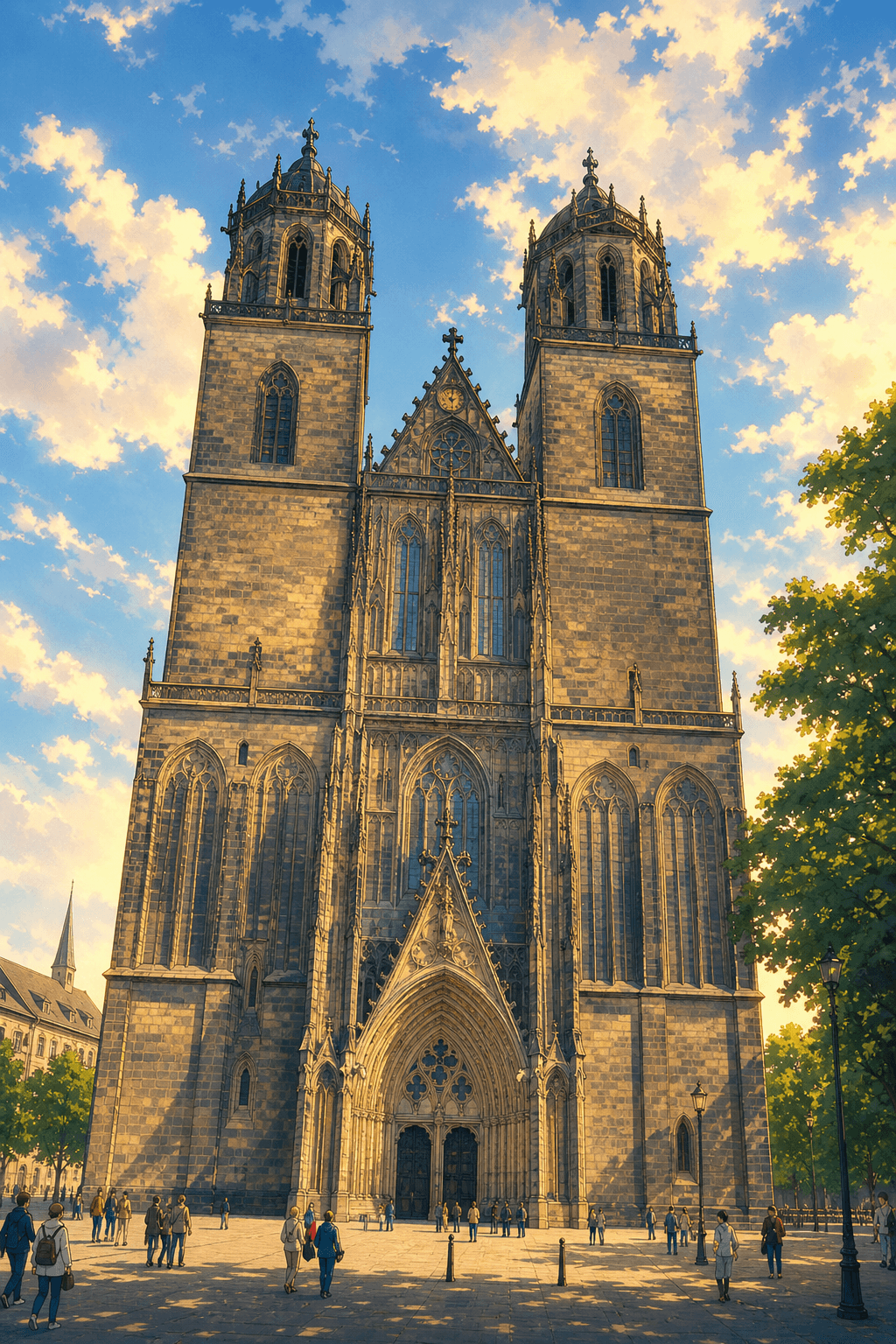
In April 2026, several key urban development projects were in focus in Magdeburg. From the redevelopment of Potsdamer Straße to the revitalization of Salbker See and changes to zoning plans and climate protection measures – the city is focusing on sustainability, improving quality of life, and long-term investments.
Urban Development in Magdeburg: Current Developments and Perspectives
The city of Magdeburg engaged intensively with questions of urban development during the week of April 2026. Numerous projects and plans were decided, discussed, and moved into concrete implementation. The focus was not only on infrastructural measures but also on topics such as climate protection, green space development, and social housing promotion. An overview of the most important developments.
1. Potsdamer Straße: Renovation for Improved Quality of Life and Climate Protection
The redevelopment of Potsdamer Straße is a central project that pursues both infrastructural and ecological goals. With a total budget of nearly 1.5 million euros (including maintenance), the street will be fundamentally renovated by 2030. The goal is to renew the road surface, create new sidewalks and parking spaces, and promote evaporative cooling in the heat-stressed area of Cracau through planting and park pockets.
The climate protection aspects are particularly noteworthy: the establishment of green areas and the reuse of historical paving not only protect the environment but also preserve the city's identity. The funding comes from municipal funds and subsidies from the "Stadtumbau Ost" program, which shows that Magdeburg also relies on external support for major urban development projects.
2. Zoning Plan Revisions: Design Flexibility and Clear Regulations
In April 2026, several zoning plans were revised or newly established, including Zoning Plan 174-2 "South of Sieverstorstraße." Here, the focus was primarily on issues of density, building height, and design. The city decided against additional roof forms and opted for a staggered floor layout to create visual diversity without overcomplicating the building code.
Another important project is the site-specific zoning plan 255-3.1 "Berliner Chaussee / Friedrich-Ebert-Straße," which implements measures from the climate protection concept – including green roofs, green parking spaces, and photovoltaic installations. This planning demonstrates how Magdeburg seeks to strategically link climate protection and urban development.
3. Revitalization of Salbker See: Harmony Between Nature and Infrastructure
The revitalization of Salbker See was another project discussed during the April week. With an investment of nearly 1.3 million euros, the plan is to improve water quality through a bypass connection to the Elbe and to enhance the quality of stay along the Elbe promenade. Completion is scheduled for the end of 2027.
In addition to pure infrastructure measures, the quality of stay is also in focus: it is being examined how the promenade can be made barrier-free and the space more attractive for residents. The city of Magdeburg is striving for a balance between nature, technology, and social space – a prime example of sustainable urban development.
4. Climate Protection and Green Space Development: Future-Proof Urban Spaces
Climate protection is no longer just a side issue in Magdeburg but a central component of urban planning. Numerous projects, such as the maintenance of the city's tree population or the redesign of streets, explicitly consider climatic adaptations. For example, in the area of the Südring, it is being examined how trees that endanger traffic safety due to root growth can be sustainably preserved.
In the context of the renovation of the chapel at the southern cemetery or the revitalization of Salbker See, climate protection is also a central aspect. The city has defined clear measures, including the greening of roofs and parking spaces and the promotion of climate-adapted tree species.
5. Outlook: Urban Development in Magdeburg – What's Next?
Urban development in Magdeburg has clearly shifted toward sustainability, climate protection, and investments in the quality of life of its citizens during the week of April 2026. The implementation of major projects such as the revitalization of Salbker See or the renovation of Potsdamer Straße will be crucial in the coming years to shape the city's image in a sustainable way.
In the future, it will depend on how Magdeburg continues to find the balance between growth and protection, between investments and sustainability. The discussions around zoning plans, climate protection measures, and social housing promotion show that the city is on the right track – even though challenges remain, particularly in financing and public participation.
Conclusion: Urban Development as a Process of Adaptation
Magdeburg's urban development is not a static state, but a dynamic process that is oriented toward changing requirements, new technologies, and the expectations of the population. The week of April 2026 has shown that the city is ready to face these challenges – with clear planning, investments in the future, and a strong focus on sustainability.
NeoSearch analyses public council documents, committee minutes and municipal announcements. Source references appear automatically once verified meeting data is available.
What does this mean for businesses?
Municipal heat planning, photovoltaics and climate measures create early project indicators. Following council decisions surfaces sites and tenders before they are publicly advertised.
Track similar decisions in your region
Set up monitoring for environment & climate in Sachsen-Anhalt — prefilled from this article.
Set up monitoring →More signals from Magdeburg
Economic Development in Magdeburg: Innovation, Tourism, and Structural Development in April 2026
In April 2026, Magdeburg is setting key priorities in economic development. The focus is on structural improvements, tourist marketing, and the strengthening of urban life.
Read more → Magdeburg's Housing Policy in April 2026: Heat, Digitalization, and Social Security
In April 2026, social affairs and housing policy were at the center of attention in Magdeburg. From the digitalization of social administration to the Heat Action Plan and issues of equal rights – the city is pursuing several strategic shifts to advance social justice and climate protection.
Read more → Magdeburg's Procurement System in April 2026: Changes and Impacts
In April 2026, Magdeburg placed a focus on adapting its procurement system. Thresholds for contracts and approvals were increased, and responsibilities between committees and the Mayor were redistributed. This article analyzes the background, decisions, and potential consequences of this reform.
Read more →