Mobility in Magdeburg: Bicycle Pathways, Bridge Construction, and Traffic Planning in January 2026
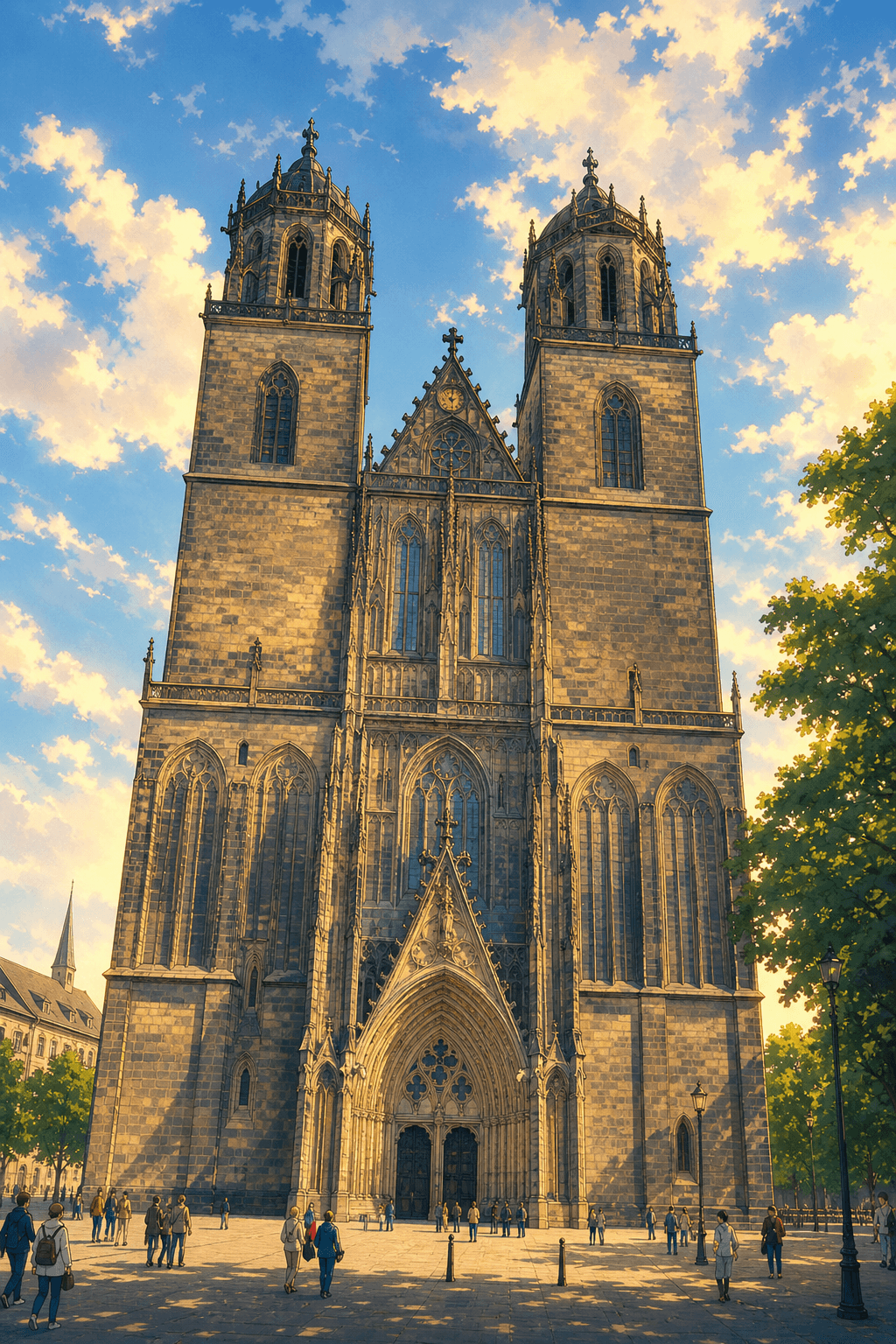
In January 2026, Magdeburg's traffic policy was in the spotlight: From the renovation of the Magdeburger-Ring Bridge to the creation of new cycling infrastructure and the extension of the MVB customer center's opening hours – the city is focusing on modern, inclusive, and sustainable mobility. This blog post analyzes the most important decisions, backgrounds, and implications.
Mobility in Magdeburg: Bicycle Pathways, Bridge Construction, and Traffic Planning in January 2026
The mobility situation in Magdeburg has developed significantly in January 2026. Numerous plans and decisions show that the city is investing in a comprehensive infrastructure for all road users – be it pedestrians, cyclists, or public transport. In particular, the bicycle traffic planning and the renovation of bridges as well as the expansion of the traffic infrastructure have been in focus in recent weeks.
Bicycle Traffic Planning: Expansion and Safety in the Forefront
In January, the city of Magdeburg was intensely involved in the creation and optimization of bicycle infrastructure. A key focus was on the Barleber Straße between Klosterwuhne and Ziolkowskistraße, where a new cycle path is planned. Additionally, a Protected Bikelane on the south side of Am Fuchsberg was discussed, although variant 1A was ultimately rejected. Critics warned of additional conflict points, but the need for a continuous bicycle infrastructure was broadly shared.
Another milestone was the planning of the fundamental expansion of the Klusdamm cycle path between Pechau and Magdeburg, to be implemented in 2026. Furthermore, the renovation of the pedestrian and cycle path in Kleine Straße was decided. These measures are part of the long-term strategy to position Magdeburg as a bicycle-friendly city and to further increase the share of cycling traffic.
Bridge Construction and Traffic Infrastructure: Renovations and New Construction
In the area of bridge construction, several important decisions were made. The renovation of the Magdeburger-Ring Bridge over the Brenneckestraße, Ernst-Reuter-Allee, and Wiener Straße is well underway. Temporary bridges are expected to be completed by the 40th calendar week. In addition, funding initiatives for the replacement construction of the bridge were approved. The Pettenkofer Bridge, on the other hand, will likely only be renovated from 2029/2030, with the bridge construction designed to ensure that traffic can always flow in one direction.
Another project is the construction of a multi-purpose event hall (known as the Getec-Arena), where both renovation work and the maintenance of operational and functional aspects are planned. Discussions about a possible new building for sports and cultural events show that Magdeburg also wants to be prepared for large events in terms of infrastructure.
Public Transport and Traffic Information
In the field of public transport, the focus was mainly on the opening hours of the customer center of Magdeburger Verkehrsbetriebe (MVB). The city council decided to make the opening hours more citizen-friendly, including opening during lunchtime. In addition, a motion was discussed regarding the establishment of new loading zones in Arndt and Bake Streets to promote electric vehicle traffic.
Further measures concern the improvement of traffic information, especially in the context of winter service planning. There was criticism of the insufficient clearing of cycle paths and pedestrian zones. The city administration is being asked to make structural improvements to ensure barrier-free access and road safety.
Outlook: Magdeburg as a Model for Sustainable Mobility?
Magdeburg's mobility development shows that the city is ready to invest in modern traffic infrastructure. The focus on cycling, bridge construction, and public transport is not only necessary but also visionary. With the expansion of the Elbe Cycle Path, the planning of a bicycle parking facility at the main train station, and the discussion of a Future Mobility Concept, Magdeburg is pursuing an environmentally friendly and inclusive traffic policy.
In the future, it will be important to monitor the implementation of the approved projects and ensure that they remain within the planned timeframes. In addition, funding will remain a central issue – particularly for large projects such as the Getec-Arena or the Magdeburger-Ring Bridge.
With these measures, Magdeburg could serve as a model for other cities in the country – not only in terms of mobility, but also in the integration of sustainability, safety, and inclusion.
NeoSearch analyses public council documents, committee minutes and municipal announcements. Source references appear automatically once verified meeting data is available.
What does this mean for businesses?
Municipal council decisions are early indicators: following the council agenda surfaces projects and tenders months before the official award — before they ever reach the procurement portals.
Track similar decisions in your region
Set up monitoring for kommunale Projekte in Sachsen-Anhalt — prefilled from this article.
Set up monitoring →More signals from Magdeburg
Economic Development in Magdeburg: Innovation, Tourism, and Structural Development in April 2026
In April 2026, Magdeburg is setting key priorities in economic development. The focus is on structural improvements, tourist marketing, and the strengthening of urban life.
Read more → Magdeburg's Housing Policy in April 2026: Heat, Digitalization, and Social Security
In April 2026, social affairs and housing policy were at the center of attention in Magdeburg. From the digitalization of social administration to the Heat Action Plan and issues of equal rights – the city is pursuing several strategic shifts to advance social justice and climate protection.
Read more → Magdeburg's Procurement System in April 2026: Changes and Impacts
In April 2026, Magdeburg placed a focus on adapting its procurement system. Thresholds for contracts and approvals were increased, and responsibilities between committees and the Mayor were redistributed. This article analyzes the background, decisions, and potential consequences of this reform.
Read more →