Magdeburg's Path to Climate-Neutral Heating – An April 2026 Analysis
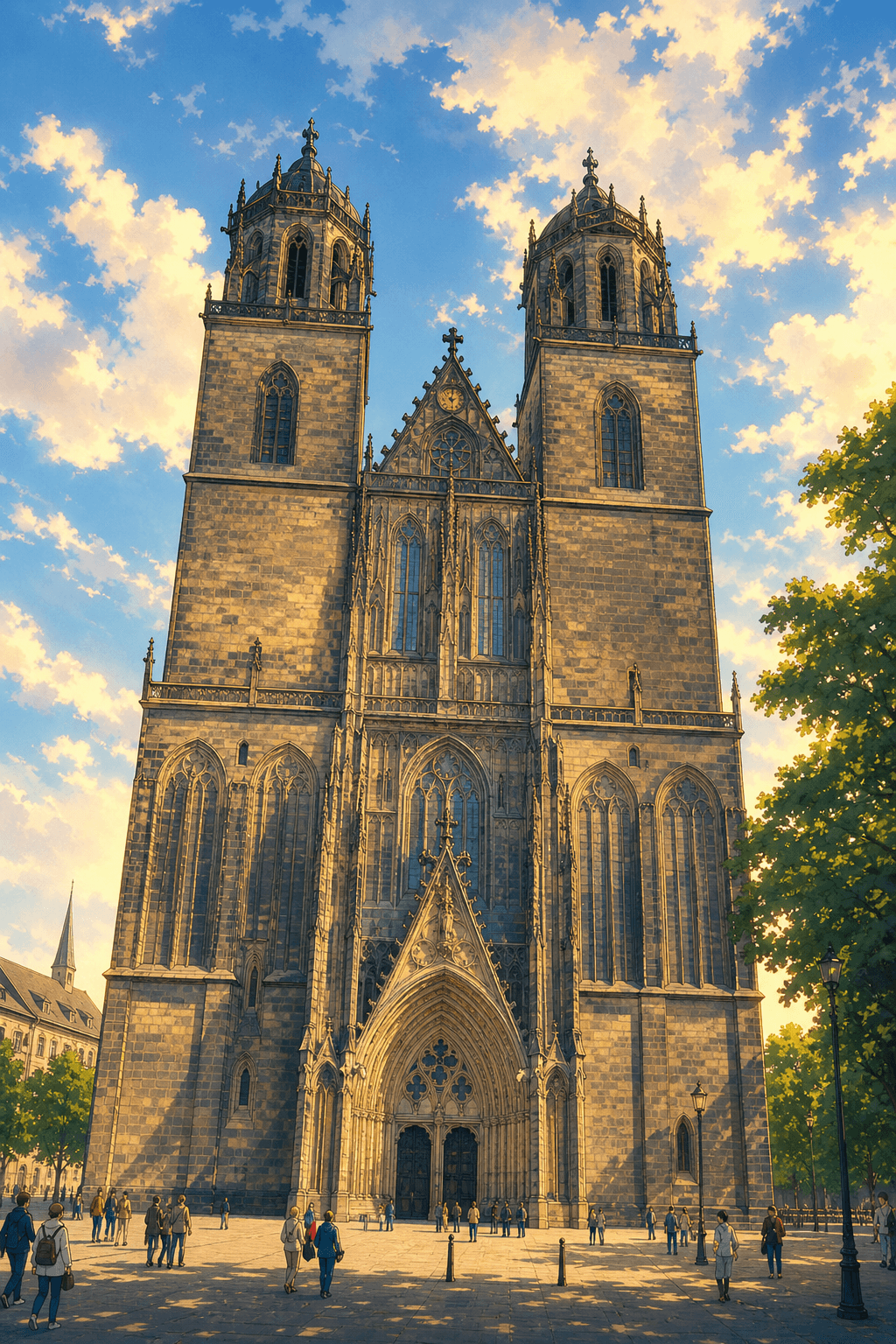
In April 2026, Magdeburg took decisive steps toward a climate-neutral heating supply. The municipal Heating Plan 2025 was approved, while extensive debates continue regarding the role of district heating, heat pumps, and decentralized solutions. This blog article examines the current situation, planned measures, and the challenges on the road to climate neutrality by 2045.
Magdeburg's 2025 Heating Plan as a Milestone in Climate Policy
Magdeburg took a decisive step toward climate-neutral heating in April 2026: the municipal Heating Plan 2025 was approved. Developed in collaboration with Magdeburg Stadtwerke (SWM) and Fichtner, the document serves as a strategic tool for the expansion of renewable heat sources and the reduction of fossil fuels. The goal is to ensure a greenhouse gas-neutral heating supply by 2045 – in line with the requirements of the Heating Planning Act (WPG) and the Building Energy Act (GEG).
Although the Heating Plan is not legally binding, it defines clear planning directions. Particularly noteworthy is the promotion of district heating, environmental heat, solar thermal energy, and biomass, while at the same time reducing the expansion of the gas infrastructure. Funded with 90% federal support, the Heating Plan is a central focus of Magdeburg's climate protection strategy.
Heating Networks: Potential and Limitations
Magdeburg's heating networks form a central component of energy policy. The expansion potential of 480 GWh is considerable, with two focus areas particularly coming into the spotlight:
- Focus Area 1 (Stadtfeld Ost, Neue Neustadt, Werder): The expansion of existing district heating is expected to cover up to 50% of the city's heating demand.
- Focus Area 2 (Reform, Sudenburg): A new decentralized heating network will be built here, capable of covering up to 18% of total heat demand.
However, there is considerable criticism: around 20,000 buildings are located in areas that are not economically suitable for heating networks. In addition, the role of other renewable sources such as wind power or open-space photovoltaics is considered too small. The focus on district heating meets resistance among parts of the population and experts, as it is not economically viable for every building.
Changing Heating Systems – Challenges and Transition Periods
The transition to renewable heating systems is well underway. As of July 1, 2026, only heating systems with at least 65% renewable energy or waste heat may be installed. This effectively bans gas and oil heating systems. Complex heating systems receive transition periods of up to 13 years, which critics consider too generous.
Heat pumps are considered key technology for the expansion of renewable heat. In Focus Area 3, they are actively supported. However, the lack of grid capacity in the electrical infrastructure is seen as a barrier. In addition, the switch to heat pumps is financially burdensome for many tenants, leading to tenant resistance.
Energy Balance and Climate Neutrality – Realistic Goals?
The current heating demand in Magdeburg is around 1.4 TWh, with natural gas still covering the majority (71%). District heating (23%) and other sources (6%) complement it. The goal is to increase the share of renewable energy and reduce greenhouse gas emissions to around 24,000 tonnes of CO2 equivalents by 2045 – a reduction of about 90% compared to 2023.
The transformation of the heating supply by 2035, as originally planned, is now considered unrealistic. Instead, the focus is on long-term climate neutrality by 2045. This requires not only technical innovations, but also financial investments and political will.
Monitoring, Communication, and Citizen Participation
Magdeburg is relying on a comprehensive control concept that includes plan-actual comparisons and digital data collection. Strategic indicators such as greenhouse gas emissions and operational key figures such as the expansion speed of heating networks are regularly monitored. A "Round Table on Heating Planning" and a steering committee ensure coordination and transparency.
Public relations play a central role. The campaign "Otto sets on Future Heat" aims to raise awareness among citizens. Workshops, citizen forums, and information events promote dialogue and acceptance. However, it is criticized that decentralized solutions and alternative heat sources such as geothermal energy or biogas are not sufficiently included in the communication.
Outlook: Challenges and Opportunities in 2027
The next twelve months will be decisive for Magdeburg's heating supply. With the implementation of the Heating Plan, the transition to heat pumps, and the expansion of district heating, numerous technical, financial, and social challenges must be overcome.
Infrastructure expansion, the integration of alternative heat sources, and the security of electrical supply for heat pumps are central issues. At the same time, it will be important to actively involve citizens in the transformation – because only with broad acceptance and support can climate goals be achieved.
Magdeburg is at the beginning of a long-term transformation process. April 2026 marks a milestone, but the path to climate neutrality by 2045 is still long and requires continuous efforts.
NeoSearch analyses public council documents, committee minutes and municipal announcements. Source references appear automatically once verified meeting data is available.
What does this mean for businesses?
Municipal council decisions are early indicators: following the council agenda surfaces projects and tenders months before the official award — before they ever reach the procurement portals.
Track similar decisions in your region
Set up monitoring for Energy and Utilities in Sachsen-Anhalt — prefilled from this article.
Set up monitoring →More signals from Magdeburg
Economic Development in Magdeburg: Innovation, Tourism, and Structural Development in April 2026
In April 2026, Magdeburg is setting key priorities in economic development. The focus is on structural improvements, tourist marketing, and the strengthening of urban life.
Read more → Magdeburg's Housing Policy in April 2026: Heat, Digitalization, and Social Security
In April 2026, social affairs and housing policy were at the center of attention in Magdeburg. From the digitalization of social administration to the Heat Action Plan and issues of equal rights – the city is pursuing several strategic shifts to advance social justice and climate protection.
Read more → Magdeburg's Procurement System in April 2026: Changes and Impacts
In April 2026, Magdeburg placed a focus on adapting its procurement system. Thresholds for contracts and approvals were increased, and responsibilities between committees and the Mayor were redistributed. This article analyzes the background, decisions, and potential consequences of this reform.
Read more →