Magdeburg's Urban Development in January 2026: From Winterhafen to Bruno-Beye-Ring
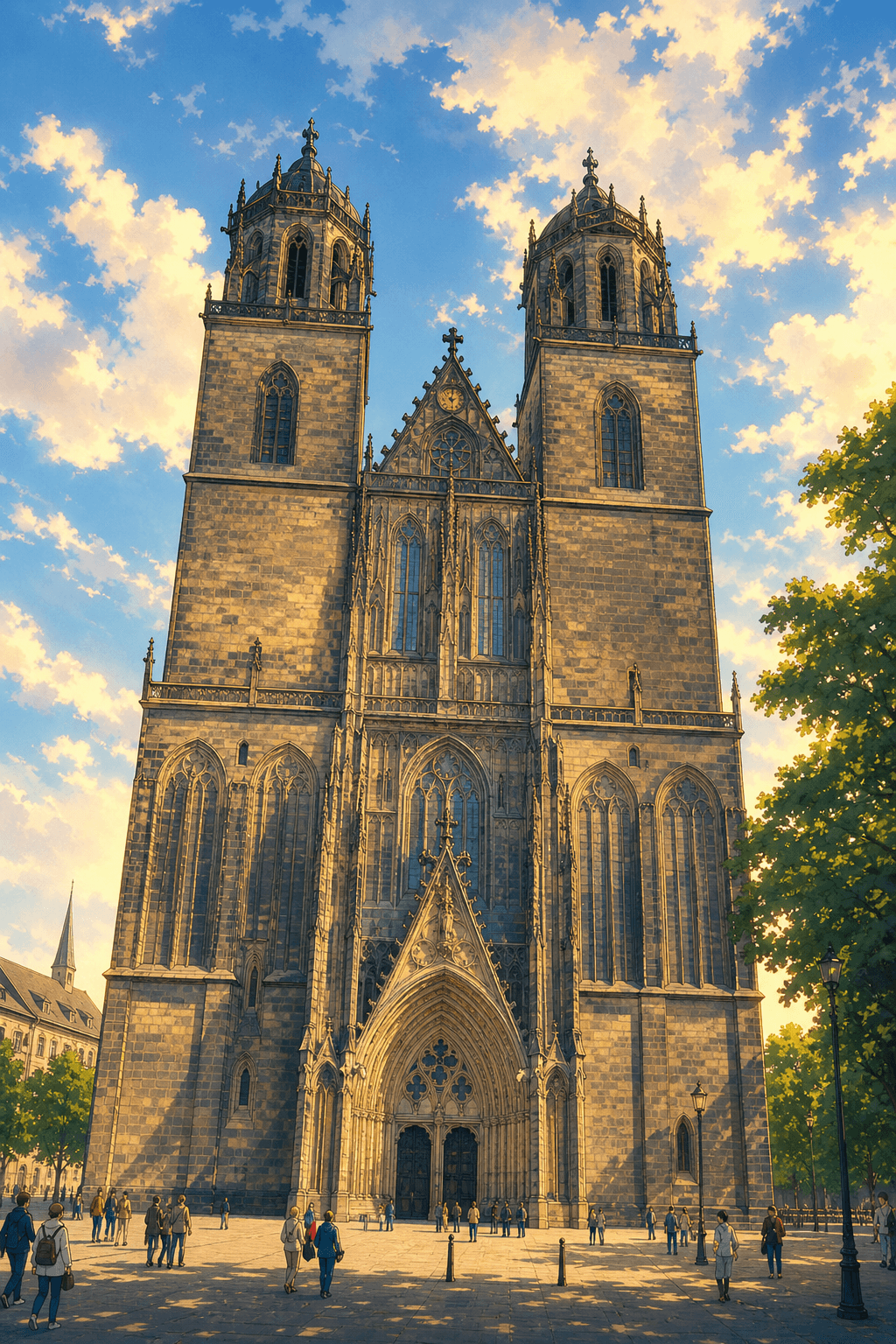
In January 2026, Magdeburg set key impulses in urban development and construction. From the redesign of Friedrich-Ebert-Straße to climate-friendly planning at Winterhafen – the state capital is shaping its urban future with practical measures and long-term planning.
Magdeburg's Urban Development: Impulses in January 2026
The capital city of Magdeburg has established itself in recent years as a dynamic urban development hub. In January 2026, the city once again set impulses in several areas – from traffic planning and housing development to culture and health promotion. The decisions reflect a clear focus on sustainability, participation, and future-oriented infrastructure.
Traffic and Safety: From Intersections to Pedestrian Zones
Traffic conditions in Magdeburg are a central focus of municipal planning. Particularly noticeable is the planned redesign of the intersection Friedrich-Ebert-Straße / Gübser Weg, which is to be implemented in the coming years. The preliminary planning, with a budget of 289,000 euros, aims at better integration of pedestrians and cyclists. The goal is to optimize traffic flow and adapt infrastructure to increasing traffic volumes.
Even smaller measures such as the installation of warning figures for pedestrians or the lighting between Sarajevo-Ufer and Petriförder show that Magdeburg also pays attention to local improvements. Traffic safety remains a recurring theme, with a focus on both pedestrians and cyclists.
Housing and Green Spaces: Winterhafen in Transition
In the district of Werder – in the area of the Winterhafen – a comprehensive urban transformation is underway. The 53rd amendment to the land use plan "Am Winterhafen" and the building plan No. 250-8 "Am Winterhafen/Kanonenbahn" are part of a broader plan that combines residential use with a high proportion of green space. The planning takes into account not only ecological aspects, but also the protection of buildings under heritage protection and the connection to the Rotehorn city park.
In addition, the building plan No. 229-9 "Bruno-Beye-Ring" was developed in an accelerated procedure. The goal is to convert former public utility areas into residential building areas – a step that also serves densification and climate protection measures. The plan also provides for an examination of the withdrawal of a parking lot, indicating flexible and future-oriented planning.
Culture and Health: Integration into Urban Development
In addition to physical development, Magdeburg also focuses on cultural and health aspects. Health promotion is understood in Magdeburg as a cross-sectional task that is considered not only in medical, but also in urban planning decisions. The steering group for health, consisting of various departments, has adopted guidelines that perceive health as a positive concept – with a focus on promoting physical activity, sustainability, and social cohesion.
In addition, culture is embedded in urban development. For example, the Magdeburg Puppet Theatre plans to establish the "Quartier p.", the European Centre for Puppetry. This project will play a role not only culturally but also in urban development – with new spaces, exhibitions, and a festival program that is internationally connected.
Conclusion: A City in Transition
Magdeburg proves in January 2026 that urban development is more than just construction projects. It is a process that connects traffic, housing, environment, health, and culture. The decisions made in January show a city that consciously commits to sustainable, inclusive, and future-oriented development. Whether in Winterhafen or on Friedrich-Ebert-Straße – Magdeburg is shaping its future with practical measures and long-term visions.
NeoSearch analyses public council documents, committee minutes and municipal announcements. Source references appear automatically once verified meeting data is available.
What does this mean for businesses?
Municipal council decisions are early indicators: following the council agenda surfaces projects and tenders months before the official award — before they ever reach the procurement portals.
Track similar decisions in your region
Set up monitoring for kommunale Projekte in Sachsen-Anhalt — prefilled from this article.
Set up monitoring →More signals from Magdeburg
Economic Development in Magdeburg: Innovation, Tourism, and Structural Development in April 2026
In April 2026, Magdeburg is setting key priorities in economic development. The focus is on structural improvements, tourist marketing, and the strengthening of urban life.
Read more → Magdeburg's Housing Policy in April 2026: Heat, Digitalization, and Social Security
In April 2026, social affairs and housing policy were at the center of attention in Magdeburg. From the digitalization of social administration to the Heat Action Plan and issues of equal rights – the city is pursuing several strategic shifts to advance social justice and climate protection.
Read more → Magdeburg's Procurement System in April 2026: Changes and Impacts
In April 2026, Magdeburg placed a focus on adapting its procurement system. Thresholds for contracts and approvals were increased, and responsibilities between committees and the Mayor were redistributed. This article analyzes the background, decisions, and potential consequences of this reform.
Read more →