Culture and Community in Magdeburg: Highlights from March 2026
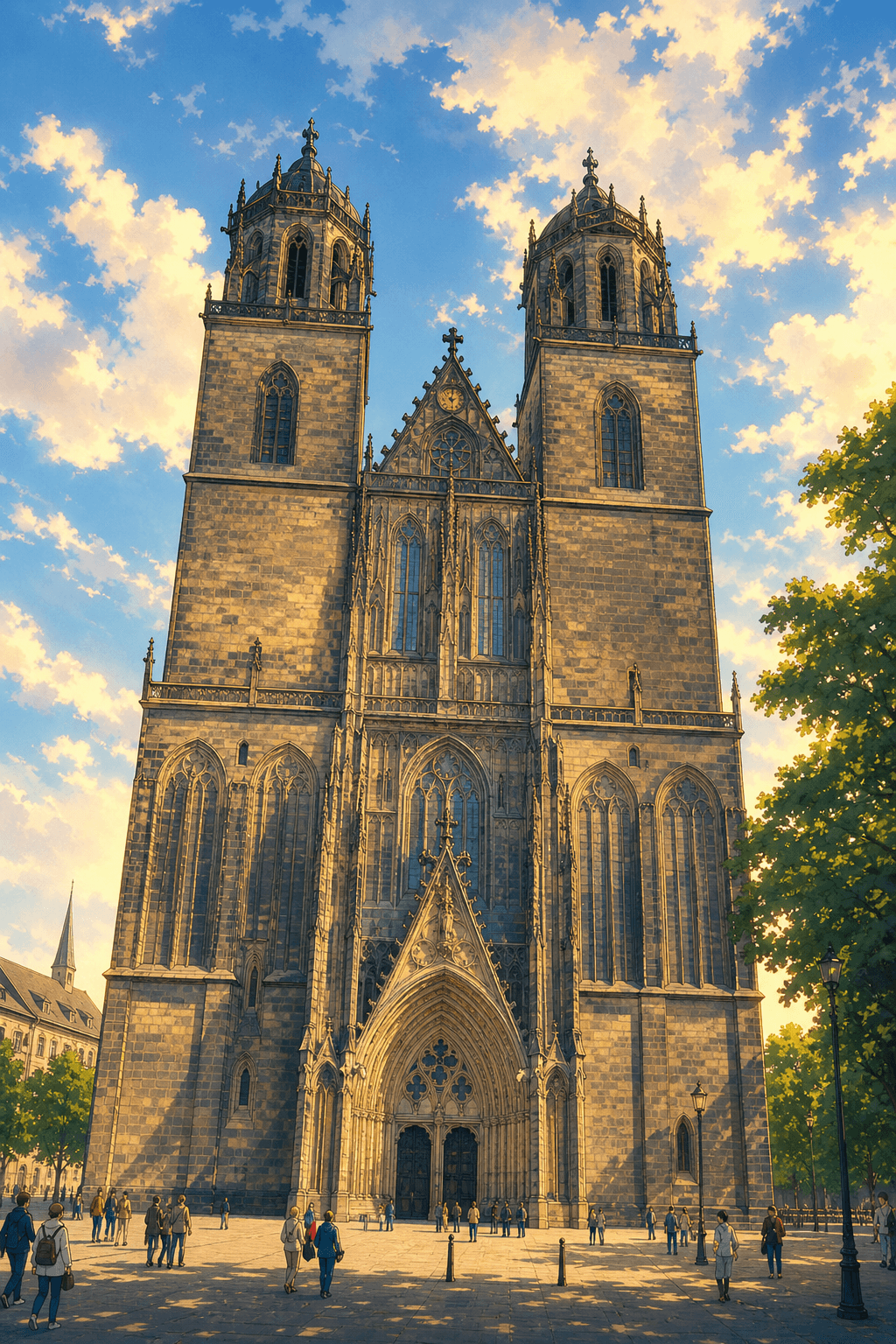
In March 2026, Magdeburg's cultural scene took center stage. From the Kaiser Otto Festival to the "Library of Things" and the tourist promotion of St. John's Church – the month brought numerous decisions, debates, and projects shaping the city's cultural identity and future.
Culture and Community in Magdeburg: Highlights from March 2026
As the capital of Saxony-Anhalt, Magdeburg has positioned itself in recent years as a vibrant cultural metropolis where tradition and modernity meet. In March 2026, this development continued, with both established and innovative projects being discussed and decided upon in the Cultural Committee and other committees. The topics ranged from cultural marketing and funding policy to new concepts like the "Library of Things" – all aimed at integrating culture more strongly into the city's culture and daily life.
Cultural Marketing and Tourism Cooperation
A central topic in the Cultural Committee was the tourist integration of St. John's Church. This church, a significant historical and architectural landmark, will be more strongly included in Magdeburg's tourist routes in the future. This includes city tours, special guided tours such as the "Magdeburg Blood Wedding" concept, and the development of a new gastronomic offer especially for nightlife and cultural events like the "Full Moon Night."
Another focus was the integration of the Lukasklause into tourist and cultural offerings. The Otto von Guericke Center is to be more strongly integrated into the tourism network to emphasize Magdeburg's scientific and historical significance. The goal is to establish the Lukasklause not only as a museum site but also as a venue for cultural and educational projects.
The Cultural Advisory Board and the Future of Cultural Funding
The Cultural Advisory Board, a body mediating between the administration and cultural practitioners, was also in the spotlight. Structural changes in the rules of procedure were discussed, particularly regarding the equal treatment of members and compensation for their efforts. It was unanimously decided that in the future, all members of the advisory board will be compensated equally. In addition, the rules of procedure will be revised based on the suggestions from the legal department to ensure legal security and transparency.
In March 2026, the allocation of funding for art and culture was also approved. A total of 200,000 euros was allocated for 2026, with 54 funding applications reviewed and prioritized. The evaluation was based on criteria such as sustainability, participation, public impact, and financial feasibility. The final list of funded projects remains confidential to avoid potential competition and political influence.
The "Library of Things" – A New Form of Resource Use
A particularly controversial discussion was initiated by the GRÜNE/future! faction's proposal for the introduction of a "Library of Things." Inspired by the sharing economy, the concept proposes that everyday items such as cordless drills, sewing machines, or telescopes can be rented for a small fee. The goal is to use resources sustainably and to enable people with low incomes to access such items.
The administration was skeptical, as current personnel, financial, and spatial resources would not be sufficient to comprehensively realize such a project. Instead, a digital platform is proposed that would consolidate existing non-profit sharing offers such as magdeburg-teilt.de. According to the administration, this solution is more ecological and cooperative. At the same time, a proposal for a portal will be developed by the end of the second quarter of 2026, including the necessary resources.
The Kaiser Otto Festival: From History to Future Concept
Another highlight was the discussion on the thematic further development of the Kaiser Otto Festival (KOF) for the years 2026 to 2030. The festival, which has become a fixed point in Magdeburg's cultural calendar since 2011, will illuminate new historical eras in the coming years – from 965 to 1900. Themes such as the plague of 1350, industrialization, and Magdeburg's role in German unification will be addressed.
Cooperations with institutions such as the Ottonian Cathedral Museum, the Till Eulenspiegel Museum, and Otto von Guericke University are planned. The performances will not only be historical but also interactive: plays, hands-on activities, and historical experiments will directly involve the audience. The goal is to position Magdeburg as a lively place of history and culture and to generate at the same time tourist impulses.
Conclusion: Culture as a Central Building Block of Urban Development
March 2026 shows how strongly Magdeburg has anchored culture as a central building block in its urban development. Whether through new formats like the "Library of Things," the tourist realignment of historical sites such as St. John's Church, or the creative further development of established festivals like the Kaiser Otto Festival – the city is pursuing a broad, inclusive, and sustainable cultural policy. The debates in the Cultural Committee and other committees show that challenges such as resource shortages and structural adjustments must also be taken into account. Nevertheless, it is confirmed that Magdeburg is on its way to becoming a cultural city with a clear identity and international reach.
NeoSearch analyses public council documents, committee minutes and municipal announcements. Source references appear automatically once verified meeting data is available.
What does this mean for businesses?
Municipal council decisions are early indicators: following the council agenda surfaces projects and tenders months before the official award — before they ever reach the procurement portals.
Track similar decisions in your region
Set up monitoring for Culture and Community in Sachsen-Anhalt — prefilled from this article.
Set up monitoring →More signals from Magdeburg
Economic Development in Magdeburg: Innovation, Tourism, and Structural Development in April 2026
In April 2026, Magdeburg is setting key priorities in economic development. The focus is on structural improvements, tourist marketing, and the strengthening of urban life.
Read more → Magdeburg's Housing Policy in April 2026: Heat, Digitalization, and Social Security
In April 2026, social affairs and housing policy were at the center of attention in Magdeburg. From the digitalization of social administration to the Heat Action Plan and issues of equal rights – the city is pursuing several strategic shifts to advance social justice and climate protection.
Read more → Magdeburg's Procurement System in April 2026: Changes and Impacts
In April 2026, Magdeburg placed a focus on adapting its procurement system. Thresholds for contracts and approvals were increased, and responsibilities between committees and the Mayor were redistributed. This article analyzes the background, decisions, and potential consequences of this reform.
Read more →