Climate Adaptation and Urban Development in Magdeburg: How the City is Responding to Climate Change
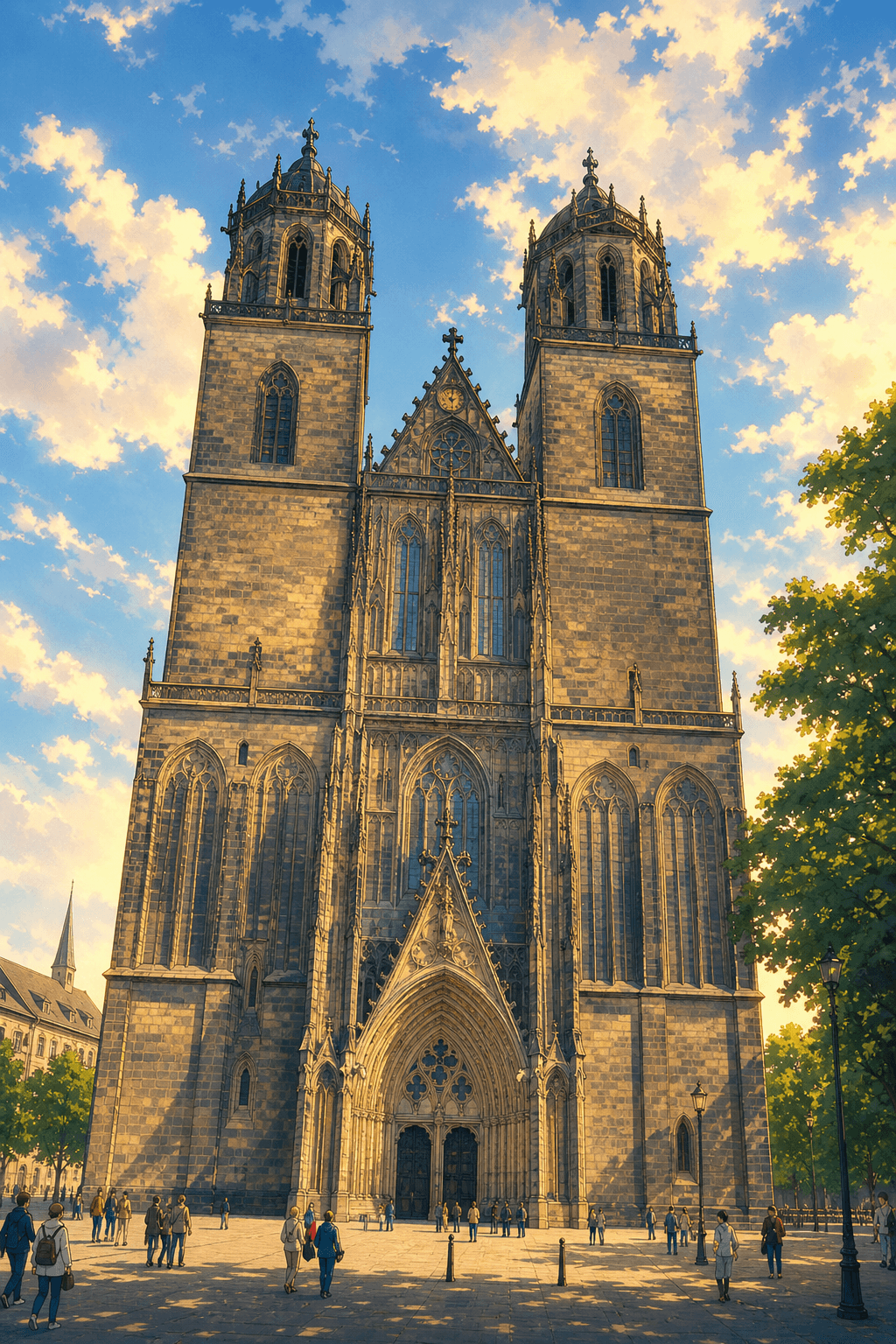
In February 2026, Magdeburg set important milestones in urban development and climate adaptation. The Willy-Brandt-Platz is becoming a climate-friendly model project, new zoning plans strengthen housing, and the zoo is investing in the future. An overview of the key changes.
Climate Adaptation and Urban Development: Magdeburg in Focus
Magdeburg has positioned itself as a pioneer in climate adaptation in recent years. In February 2026, decisive measures were adopted that secure the city's future viability while simultaneously enhancing the quality of life for its residents. Central to these efforts were the redevelopment of the Willy-Brandt-Platz, the creation of new residential areas, and investments in the zoo, which is also regaining a successful economic trajectory.
Climate Adaptation at Willy-Brandt-Platz: A Model Project
The redevelopment of Willy-Brandt-Platz is one of the most striking examples of Magdeburg's commitment to climate protection. With funding from the Federal Institute for Research on Construction, Urban Development and Spatial Planning (1,020,000 €), the square is being transformed into a climate-adapted forecourt. The goal is to reduce the urban heat island effect while simultaneously creating new recreational opportunities.
The measures include de-sealing surfaces, planting perennials and trees, rainwater management, and the creation of seating areas. Three planning variants were presented, with Variant 2 selected as the preferred option. It includes underground rainwater storage and water features. The total costs amount to approximately 1.2 million €, with follow-up costs over 30 years estimated at 882,000 €.
The planning was entrusted to the renowned planning firm Neumann Gusenburger, which received an award in December 2024.
Housing for the Future: New Zoning Plans
Magdeburg's urban development priorities also include the creation of new residential areas. The zoning plan Iltisweg (No. 481-1) was approved to create a new residential area with green spaces and single- and double-family homes. In addition, the need for construction land in the city's outer areas is secured through the 53rd amendment to the land use plan "Am Winterhafen." A focus here is on green spaces and climate protection measures such as green roofs and solar energy.
The city is also using newly created acceleration procedures under the Building Code (BauGB), especially the "Bauturbo" procedure, to optimize construction processes. New zoning plans such as those for the Bruno-Beye-Ring or Halberstädter Straße are part of this strategy.
Magdeburg Zoo: Back on a Successful Path
Another focus of municipal investments is the Magdeburg Zoo. After a deficit in 2023, the zoo achieved a surplus of 1.185 million euros in 2024. For the coming years, an investment plan of 7.4 million euros has been approved, including the modernization of facilities for chimpanzees, elephants, and tigers.
Funding is provided through municipal grants and loans. In addition, the zoo has restructured its personnel and leadership, which suggests a sustainable development path.
Integration of Culture and Tourism
Magdeburg is also deliberately strengthening its cultural profile. The "Urban Art Gallery" will be established as part of the tourism strategy to integrate mural art into the cityscape. The aim is to improve the city's image and increase its tourist appeal. Support from Magdeburg Marketing Kongress und Tourismus GmbH underscores the strategic importance of this measure.
Conclusion: Magdeburg as a Model City for Climate Adaptation
The decisions made in February 2026 show that Magdeburg is not only responding to climate change but also taking proactive steps. With projects such as the Willy-Brandt-Platz, new residential areas, and investments in culture and tourism, the city is setting clear priorities. Long-term financial planning, modern construction processes, and a strong awareness of sustainability are helping to make Magdeburg a livable and future-oriented city.
NeoSearch analyses public council documents, committee minutes and municipal announcements. Source references appear automatically once verified meeting data is available.
What does this mean for businesses?
Municipal heat planning, photovoltaics and climate measures create early project indicators. Following council decisions surfaces sites and tenders before they are publicly advertised.
Track similar decisions in your region
Set up monitoring for environment & climate in Sachsen-Anhalt — prefilled from this article.
Set up monitoring →More signals from Magdeburg
Economic Development in Magdeburg: Innovation, Tourism, and Structural Development in April 2026
In April 2026, Magdeburg is setting key priorities in economic development. The focus is on structural improvements, tourist marketing, and the strengthening of urban life.
Read more → Magdeburg's Housing Policy in April 2026: Heat, Digitalization, and Social Security
In April 2026, social affairs and housing policy were at the center of attention in Magdeburg. From the digitalization of social administration to the Heat Action Plan and issues of equal rights – the city is pursuing several strategic shifts to advance social justice and climate protection.
Read more → Magdeburg's Procurement System in April 2026: Changes and Impacts
In April 2026, Magdeburg placed a focus on adapting its procurement system. Thresholds for contracts and approvals were increased, and responsibilities between committees and the Mayor were redistributed. This article analyzes the background, decisions, and potential consequences of this reform.
Read more →