Education and Public Facilities in Magdeburg: Investments, Adjustments, and Inclusion in the Spotlight
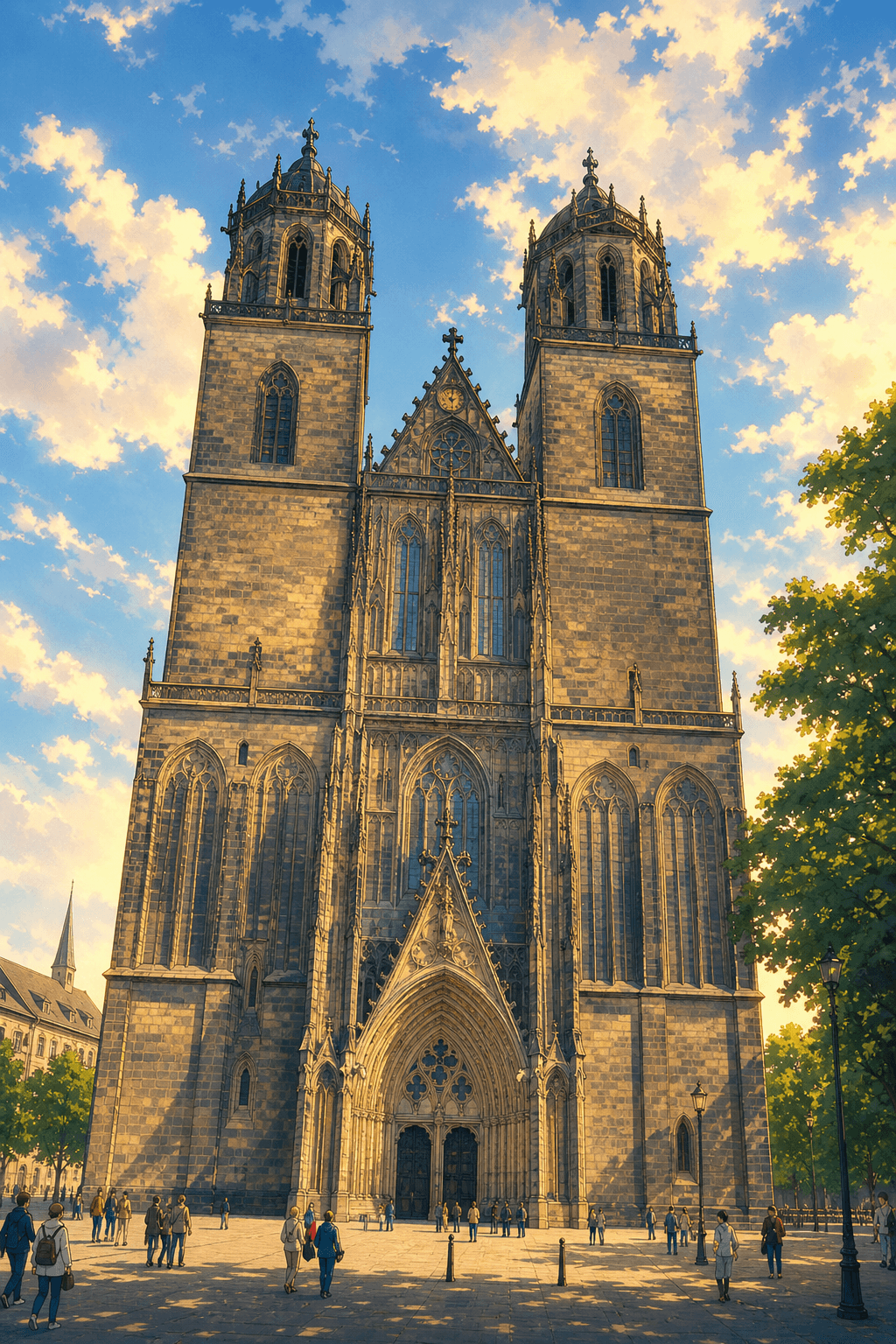
In January 2026, Magdeburg saw important decisions concerning education and public facilities come to the forefront. From school renovations to capacity planning and the promotion of inclusion – this blog provides a comprehensive overview of the central topics and developments.
Education and Public Facilities in Magdeburg: Investments, Adjustments, and Inclusion in the Spotlight
Education is a central pillar of municipal development in Magdeburg. January 2026 brought numerous decisions and initiatives that reflect the expansion, renovation, and adaptation to demographic and social changes. These measures affect not only infrastructure but also the pedagogical orientation, inclusion, and financing of public educational institutions.
1. School Renovations and New Construction: Investments in the Future
A central focus was on the renovation and new construction of schools, particularly in the areas of inclusive education and barrier-free access. The new construction of the special needs school "Hand in Hand" in Gneisenauring is a milestone. With a total cost of 18.697 million EUR, a modern and barrier-free school center is being created that can accommodate up to 168 students. The construction is planned for the third quarter of 2029 and is intended to meet the requirements of inclusive school development.
In addition, measures for the renovation and expansion of schoolyards were decided. The program "Comprehensive Educational Offers (GTA II)" includes investments amounting to 9.09 million EUR, with the municipal share being 2.73 million EUR. Particularly noteworthy is the expansion of the schoolyard at the elementary school "Am Fliederhof" and the creation of a green classroom at the elementary school "Buckau." These investments contribute to the improvement of the learning environment and the promotion of health.
2. School Structure and Capacities: Adjustments to Demographic Developments
The city is responding to demographic change with a reorganization of school districts and capacities. The school development plan up to 2026/27 predicts a decline in student numbers, which leads to a realignment of school development. The community school "Oskar Linke" will be converted to four classes in the future, which will result in the Schmeilstraße location being vacant by 2029/30.
The capacities for the fifth grade at secondary schools have also been redefined. The goal is an even distribution, with a maximum of 22 students per class. The standard number of classes at secondary schools remains at 19, with no planning for a fifth municipal secondary school.
3. Inclusion and Work with People with Disabilities: A Focus of Educational Policy
Magdeburg is setting clear priorities in the promotion of inclusion and barrier-free access. The newly established Inclusion Advisory Board is an advisory body of the city council that includes people with disabilities and representatives of the city council factions. The aim is to promote an inclusive city society and to support networking, advice, and political shaping.
All new construction projects, such as the after-school center "Am Vogelgesang" and the special needs school "Hand in Hand," are subject to a barrier-free assessment. This shows the city's clear will to integrate inclusive structures into planning. The after-school center itself will be upgraded in the coming years, but will not undergo a comprehensive renovation – a decision based on demographic developments and economic considerations.
4. Health Promotion and Digitalization in Education
Another important topic is health promotion in education. The steering group for health promotion coordinates measures in kindergartens, schools, and training centers. The focus is on physical activity, nutrition, and digital health offerings. In addition, the teaching of first aid skills in schools is supported, with responsibility lying with the state ministry.
Digitalization is also increasing. A digital health portal is being developed, and online courses and training for older people are planned. These measures are intended to strengthen digital participation and at the same time promote the health literacy of the population.
5. Future Prospects and Challenges
Educational policy in Magdeburg is in a process of continuous adjustment. The investments in school construction and the adaptation to demographic developments show the will to plan for the long term. At the same time, financing remains a central factor, especially for projects such as the GTA II program or the pilot phase of the Social Ticket.
The creation of inclusive structures and the strengthening of health promotion are central topics that will gain in importance in the coming years. Magdeburg is showing a clear profile here and setting impulses that go beyond the purely educational field.
Conclusion: Education as a City-Wide Project
The decisions and initiatives in the field of education and public facilities in Magdeburg show that education is not considered in isolation, but is embedded in the context of health, inclusion, and digitalization. The city is investing in the future and responding sensitively to changes in the population structure. With a clear focus on inclusion, health, and modern infrastructure, Magdeburg is setting impulses that have an impact on society beyond the school system.
NeoSearch analyses public council documents, committee minutes and municipal announcements. Source references appear automatically once verified meeting data is available.
What does this mean for businesses?
Schools, daycare centres and public buildings create early planning and construction opportunities. Following council agendas surfaces tenders for refurbishment, new builds and fit-out months before the official award — from shell construction to specialist planning to furnishing.
Track similar decisions in your region
Set up monitoring for education & public facilities in Sachsen-Anhalt — prefilled from this article.
Set up monitoring →More signals from Magdeburg
Economic Development in Magdeburg: Innovation, Tourism, and Structural Development in April 2026
In April 2026, Magdeburg is setting key priorities in economic development. The focus is on structural improvements, tourist marketing, and the strengthening of urban life.
Read more → Magdeburg's Housing Policy in April 2026: Heat, Digitalization, and Social Security
In April 2026, social affairs and housing policy were at the center of attention in Magdeburg. From the digitalization of social administration to the Heat Action Plan and issues of equal rights – the city is pursuing several strategic shifts to advance social justice and climate protection.
Read more → Magdeburg's Procurement System in April 2026: Changes and Impacts
In April 2026, Magdeburg placed a focus on adapting its procurement system. Thresholds for contracts and approvals were increased, and responsibilities between committees and the Mayor were redistributed. This article analyzes the background, decisions, and potential consequences of this reform.
Read more →