Mainz and the Fight Against the Climate Crisis: March 2026 in Environmental and Climate Policy
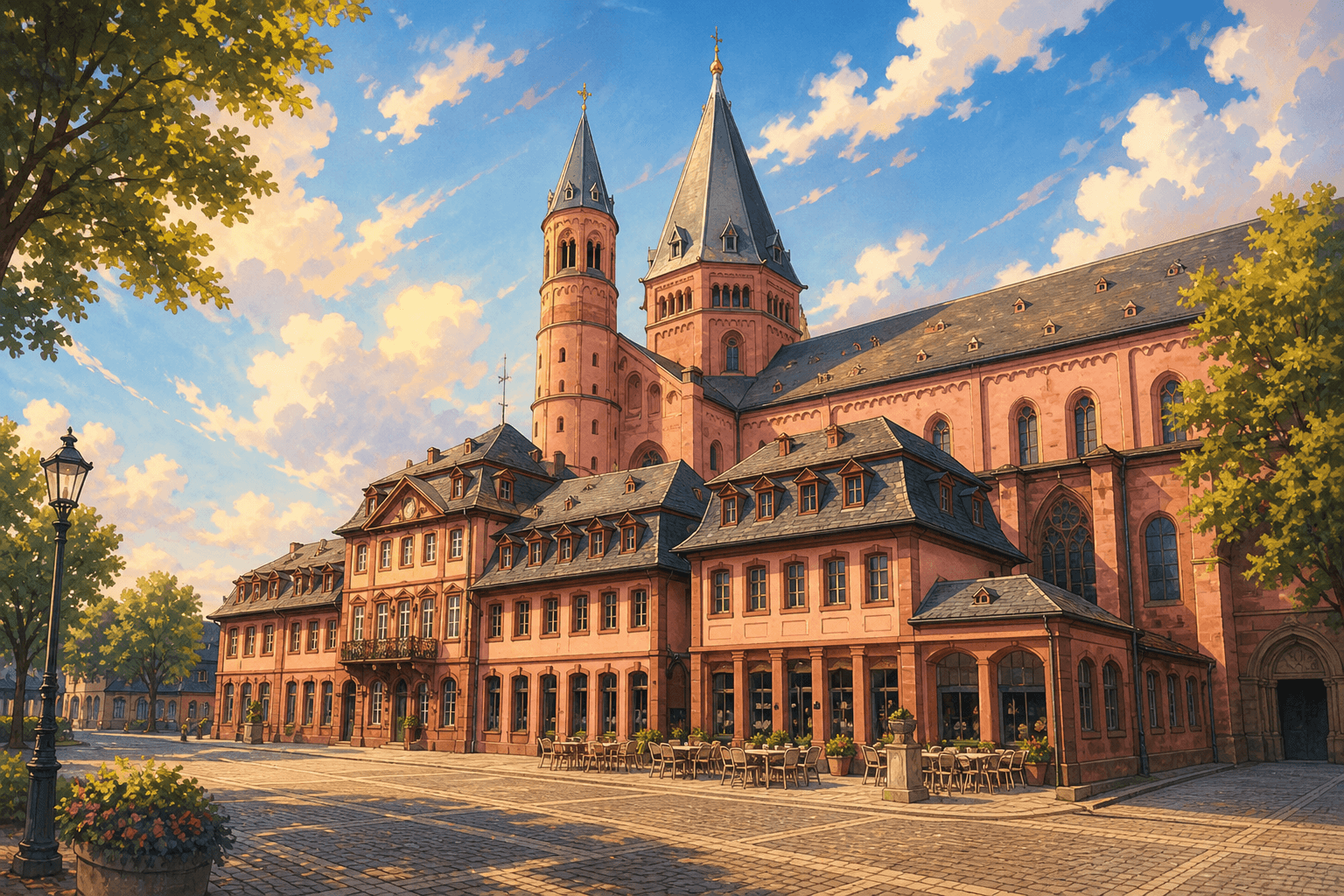
In March 2026, Mainz set key priorities in climate adaptation and environmental development. From heat action plans to green infrastructure – the focus was clearly on sustainable climate policy.
Mainz in March 2026: A Determined Step Toward Climate Adaptation
In March 2026, Mainz demonstrated with a range of measures and decisions that the city takes climate change seriously and is actively participating in adapting to the new climatic realities. Heat, drought, wildfires, and heavy rainfall were in focus, as well as the creation of green infrastructure and the promotion of biodiversity. The city adopted both short- and long-term strategies that combine the protection of its population with urban climate optimization.
Heat Mitigation: The "Human and Health" Action Plan
The Heat Action Plan "Human and Health" was passed unanimously, with a focus on health protection during heat waves. With this plan, Mainz aims to specifically protect vulnerable population groups, such as the elderly, children, pregnant women, and people with pre-existing conditions.
The plan is based on a combination of preventive and organizational measures, including:
- Communication campaigns with tips on how to deal with heat
- Cool rooms in administrative buildings, kindergartens, and public facilities
- Heat registers for isolated individuals and cooperation with pharmacies, the Red Cross, and pediatricians
- Spray mist systems at particularly heat-stressed locations
The plan is updated annually and is part of the Mainz Strategy for Climate Change Adaptation, which has been in place since 2022. Scientific analyses and an intensive participation process accompanied the planning.
Green Space Development and Biodiversity: "From Gray to Life"
Another focus was the expansion and maintenance of green spaces. With measures such as:
- Unsealing of street surfaces (Barbarossaring, Kaiserstraße)
- Greening of roofs and facades
- New plantings in the city center (Silver lindens, Sophora japonica)
- Demolition of paved areas and expansion of meadow areas
Mainz aims to improve the urban climate while simultaneously creating habitats for insects, birds, and other animal species. The city is relying on multifunctional green spaces, which not only have climate benefits but also provide local recreational opportunities.
A central component is the project "Main(z) Baum – Your Living Space", which enables the recording and evaluation of the city's trees. The goal is to ensure the diversity and quality of tree locations in the long term.
Climate Neutrality by 2035: The Mainz Climate Strategy in Focus
Mainz has set itself the goal of becoming climate neutral by 2035. March 2026 brought important milestones:
- Revision of the Integrated Development Concept (IEK) Innenstadt 2026, anchoring climate adaptation as a central theme
- Expansion of modern district heating networks and municipal heat planning
- Promotion of energy-efficient renovations by property owners
- Integration of climate protection into investment planning and urban development
In addition, a Heat Protection Action Guide was developed, prescribing sustainable and ecological measures. The city also plans the creation of cool, barrier-free spaces in administrative buildings and public areas, which can serve as places of refuge during heat waves.
Mobility Transition and Traffic Calming: Space for Green
Discussions about traffic and mobility also increased. Main topics included:
- Reduction of car traffic in the city center
- Strengthening the environmental transport network (pedestrian and cycling traffic)
- New stops with natural shading
- Parking spaces with solar canopies, providing shade and promoting biodiversity
In Ebersheim and other districts, barrier-free design of paths and squares was given greater consideration. Youth demanded more green space, better air quality, and safer cycle paths, which influenced the planning process.
Conclusion: Mainz is Pursuing Forward-Looking Climate Policy
March 2026 has shown that Mainz is not only responding to the immediate effects of climate change, but also developing long-term strategies. With measures for heat mitigation, green space development, climate neutrality, and a mobility transition, the city follows a holistic climate and environmental concept.
Climate adaptation is not just about damage prevention, but an innovation program that improves the quality of life and sustainability in Mainz. The city has created two central instruments with the IEK 2026 and the Heat Action Plan, which will be crucial for Mainz's climate resilience in the coming years.
NeoSearch analyses public council documents, committee minutes and municipal announcements. Source references appear automatically once verified meeting data is available.
What does this mean for businesses?
Municipal heat planning, photovoltaics and climate measures create early project indicators. Following council decisions surfaces sites and tenders before they are publicly advertised.
Track similar decisions in your region
Set up monitoring for environment & climate in Rheinland-Pfalz — prefilled from this article.
Set up monitoring →More signals from Mainz
Housing Crisis in Mainz: Challenges, Deficits, and Strategies for 2026
The housing deficit in Mainz is continuing to rise while subsidized housing is declining. The city faces the challenge of creating affordable housing for all population groups – especially for senior citizens, single parents, and low-income households. A deep dive into the current situation, causes, and possible courses of action.
Read more → Youth Policy in Mainz: Playgrounds, Media Protection, and Youth Participation in April 2026
In April 2026, Mainz intensifies its focus on youth policy, emphasizing the modernization of playgrounds, strengthening media protection, and promoting youth participation in political bodies. The Youth Welfare Committee plays a central role in these efforts.
Read more → Mobility Development in Mainz – April 2026 in Focus
In Mainz, the administration is actively addressing the future of mobility. April 2026 brought numerous decisions regarding tram infrastructure, traffic calming, public transport improvements, and the development of green infrastructure. This blog post analyzes the most important developments and their impact on urban mobility.
Read more →