Mainz: Transparency and Efficiency in the Awarding of Contracts and Permits
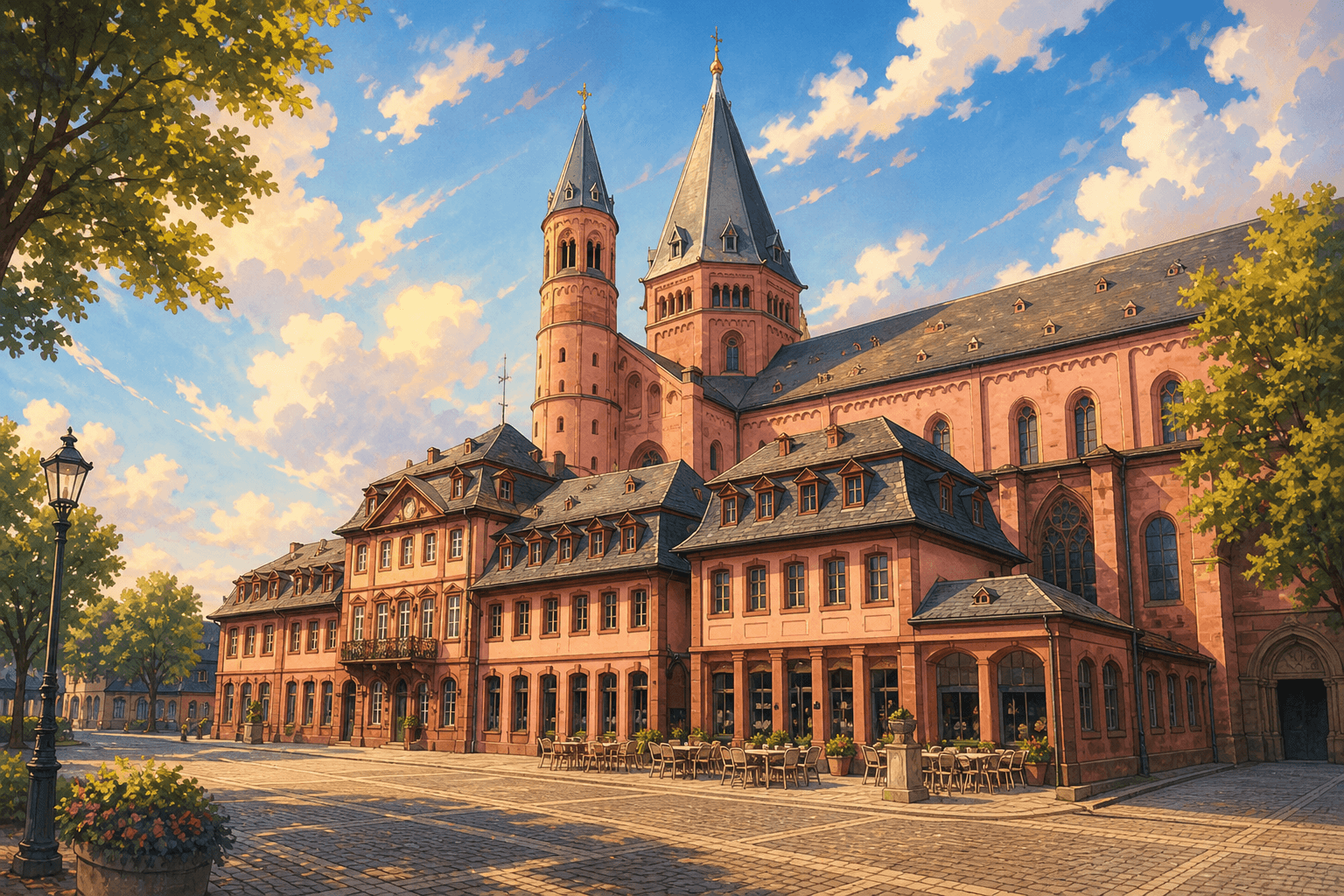
In January 2026, decisions regarding contracts, agreements, and permits were in focus in Mainz. The Works Committee of Mainz City Cleaning placed particular emphasis on efficiency and transparency.
Transparency in Administration: Focus on Contracts and Permits in Mainz
In January 2026, the city of Mainz emphasized efficiency and transparency in the administration of contracts, agreements, and permits. The Works Committee of Mainz City Cleaning convened on January 20, 2026, and addressed the topic of "contract award matters" among other issues. This demonstrates the central role these processes play in urban development—not only for city cleaning services but for the entire public administration.
The Works Committee: The Interface Between Politics and Implementation
The Works Committee of Mainz City Cleaning serves as a central body that makes decisions regarding the awarding of services, the conclusion of contracts, and the submission of permit applications. The meeting on January 20 featured "contract award matters" prominently on the agenda—a topic that often raises criticism in public administration concerning transparency and fairness.
The session began at 6:00 PM and ended by 6:15 PM, indicating a focused and structured process. Although the discussions were not held in public, this is often standard practice in procurement policy to protect sensitive negotiation positions. Nevertheless, the question remains whether sufficient transparency is in place to build trust in these processes.
Background: Why Contract Awards Are So Important
The awarding of contracts by the city of Mainz is not merely a technical process but has far-reaching implications. It determines which companies operate in the public space, how resources are allocated, and what standards are upheld. In the case of Mainz City Cleaning, it is about ensuring a clean city, which in turn affects the quality of life for its citizens.
In January 2026, Mainz appears to be particularly focused on efficiency—not least to implement planned investments in a timely manner as outlined in the budget. At the same time, compliance with EU procurement law and regional regulations remains a top priority. The challenge lies in balancing fairness, transparency, and speed.
Outlook: How Mainz Shapes the Future of Procurement Policy
The decisions made in January 2026 indicate that Mainz is working toward a modern and forward-looking procurement policy. Digitization, clear criteria, and a transparent process are key factors in this effort. The city could also benefit from increased citizen participation—for example, through reports on procurement decisions or a public platform for transparency.
However, the success of this policy also depends on its implementation. Mainz City Cleaning is a central actor—and its experiences could serve as a model for other areas of the city administration. In this way, Mainz could not only be known as a clean city but also as a role model in efficient and transparent governance.
Conclusion: A City in Transition
January 2026 was a month in which procurement policy was in the spotlight for Mainz. Important decisions were made by the Works Committee of Mainz City Cleaning—decisions that suggest a focus on efficiency. Yet the challenge remains: How can transparency and fairness be combined with the necessary speed?
Mainz has taken its first step with the meeting on January 20. Whether this step will pay off in the long run depends on how effectively the policy implements and further develops the outcomes.
NeoSearch analyses public council documents, committee minutes and municipal announcements. Source references appear automatically once verified meeting data is available.
What does this mean for businesses?
Town halls, fire stations, depots and administrative buildings create early construction and refurbishment opportunities. Following council agendas reveals projects before they go to tender.
Track similar decisions in your region
Set up monitoring for public buildings & administration in Rheinland-Pfalz — prefilled from this article.
Set up monitoring →More signals from Mainz
Housing Crisis in Mainz: Challenges, Deficits, and Strategies for 2026
The housing deficit in Mainz is continuing to rise while subsidized housing is declining. The city faces the challenge of creating affordable housing for all population groups – especially for senior citizens, single parents, and low-income households. A deep dive into the current situation, causes, and possible courses of action.
Read more → Youth Policy in Mainz: Playgrounds, Media Protection, and Youth Participation in April 2026
In April 2026, Mainz intensifies its focus on youth policy, emphasizing the modernization of playgrounds, strengthening media protection, and promoting youth participation in political bodies. The Youth Welfare Committee plays a central role in these efforts.
Read more → Mobility Development in Mainz – April 2026 in Focus
In Mainz, the administration is actively addressing the future of mobility. April 2026 brought numerous decisions regarding tram infrastructure, traffic calming, public transport improvements, and the development of green infrastructure. This blog post analyzes the most important developments and their impact on urban mobility.
Read more →