Mainz writes budget history – How the city is reorganizing its finances
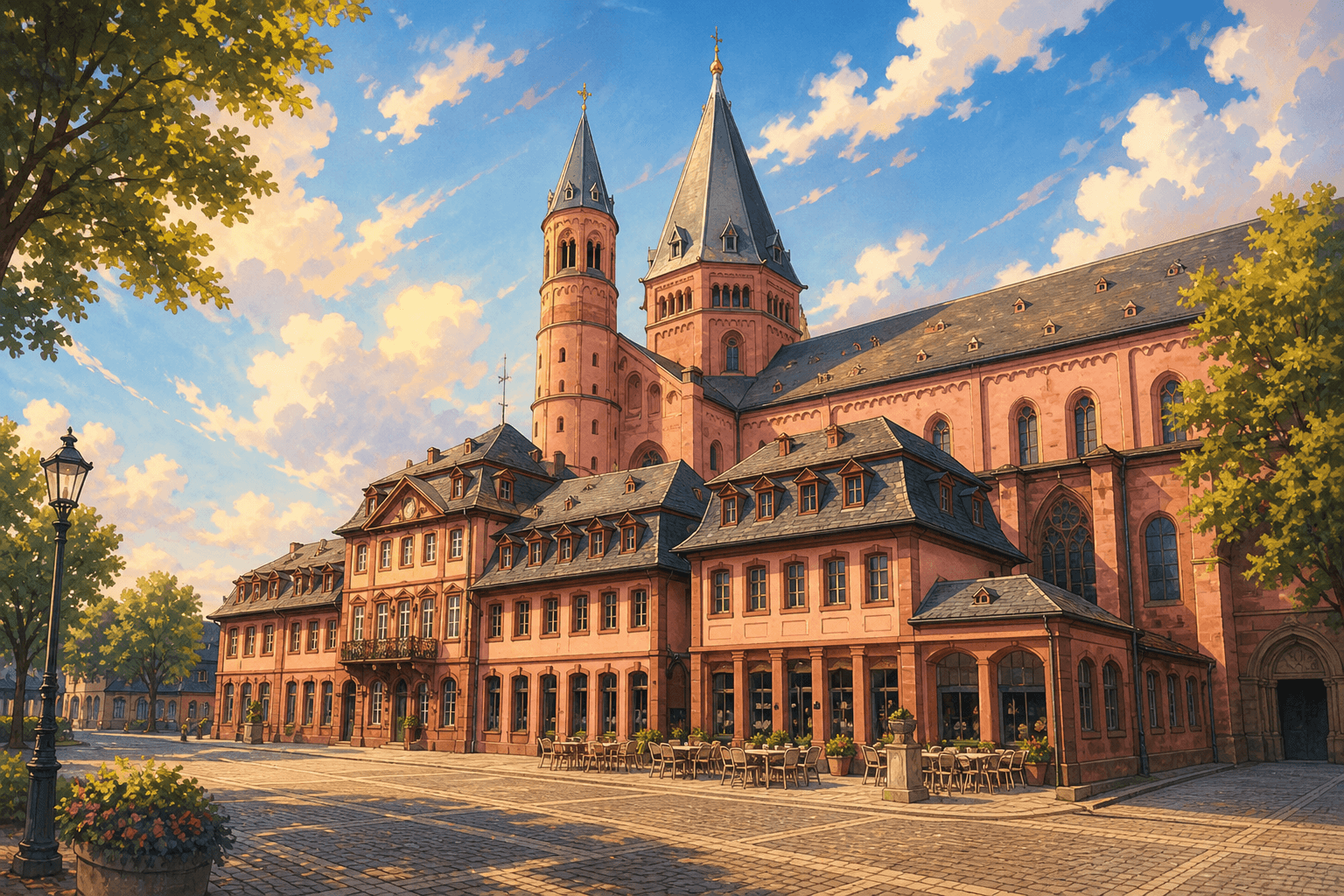
In a month in which Mainz focuses on municipal investments and central infrastructure projects, it becomes clear how the state capital is realigning its financial policy – with a strong emphasis on sustainability, investments and financial stability.
Mainz and the Transformation of its Financial Policy
The financial policy of the city of Mainz has changed significantly in April 2026. With a variety of decisions regarding the budget, infrastructure financing and participation management, the city is showing how it is preparing for the future. The focus lies on sustainability, investments in infrastructure, and securing financial stability.
Budget allocation and investments for the future
In April 2026, the Mainz City Council decided on an additional budget allocation of a total of 7.37 million euros for various projects and institutions. A special focus was on research. With a grant of 434,000 euros for the research project "Healthy City Mainz" for the years 2027 and 2028, Mainz is demonstrating how firmly it anchors research and innovation as central pillars of its development.
This budget allocation is part of the 2026 budget, which not only enables short-term investments, but also long-term planning. The city is using the opportunity to invest in projects that bring not only economic benefits, but also social and ecological sustainability.
Participation management and corporate policy
Another central topic was participation management. The city of Mainz holds numerous shares in companies such as Rheingoldhalle GmbH & Co. KG, Staatstheater Mainz GmbH and Mainzer Stadtwerke AG. In April 2026, the annual accounts of these companies were discussed and decisions were made on how to deal with the results.
Rheingoldhalle GmbH & Co. KG – a challenge
The Rheingoldhalle GmbH & Co. KG reported a negative balance of 25,088.33 euros in 2024. Turnover fell from 2,034 T€ (2023) to 1,633 T€ (2024). To compensate for the deficit, it was decided to settle it via the shareholder's accounting accounts. This shows that Mainz is acting pragmatically even in difficult financial situations in its subsidiaries and is not immediately resorting to restructuring measures, but first mobilizing internal resources.
State Theatre Mainz – Success despite challenges
The State Theatre Mainz was also in the spotlight. With an annual surplus of 322,564.39 euros after taxes and a turnover of 7.39 million euros (2024/2025), the theatre is showing that it can record success despite the general economic uncertainty in the cultural industry. This is also a success due to the support from the city.
Infrastructure financing and climate neutrality
Another focus of the April debates was infrastructure financing. Mainz receives a total of 166.85 million euros from the LGRP Plan (Act on State and Local Infrastructure Financing). These funds are part of a special fund of 500 billion euros, which can be used until 2042.
Climate-friendly investments
The funds from the LGRP Plan are not freely usable. They must be invested in funding areas such as education, digitization, energy infrastructure or climate protection. Mainz has already decided on projects such as the public library Anna Seghers and the large sports hall, which will now be implemented through funding from the LGRP Plan.
In addition, an investment package for a climate-neutral municipal administration has been launched. This package aims to make the administration of Mainz climate-neutral by 2042 – an ambitious goal that makes a strong statement, not only financially, but also politically.
Infrastructure Investment Act for Climate, Environment, Innovation and Research (LuKIFG)
Another central topic was the LuKIFG (Act on the Promotion of Infrastructure Investments for Climate, Environment, Innovation and Research). This law enables cities like Mainz to use federal funds amounting to 100 billion euros until 2050. Rhineland-Palatinate receives 4.84570 % of these funds, which opens up considerable financial flexibility for Mainz and other municipalities.
Funding areas and conditions
The funds of the LuKIFG are divided into two funding lines: 40 % for the federal states and 60 % for the municipalities. For Mainz, this means that it can receive up to 2.907 billion euros in municipal funds – distributed 90 % according to population and 10 % according to financial hardship.
The funding areas are diverse and range from climate-friendly mobility projects to investments in digital infrastructure. In order to use the funds, municipalities must create regional implementation concepts, which must be submitted by 15 March 2026.
Outlook: Mainz as a model for sustainable financial policy
The April decisions in Mainz show how a modern city can shape its financial policy. With a strong focus on sustainability, infrastructure investments and innovation, Mainz is setting standards. The city is using funding programs specifically to achieve its goals without endangering financial stability.
In the coming years, it will be crucial how Mainz uses the funds from the LGRP Plan and the LuKIFG Act. The city's successes in the areas of culture and research already show that Mainz is capable of succeeding even in challenging times. If the city transfers this success strategy to infrastructure and climate policy, Mainz could become a role model for other cities in Germany.
NeoSearch analyses public council documents, committee minutes and municipal announcements. Source references appear automatically once verified meeting data is available.
What does this mean for businesses?
Municipal council decisions are early indicators: following the council agenda surfaces projects and tenders months before the official award — before they ever reach the procurement portals.
Track similar decisions in your region
Set up monitoring for Finance and Budget in Rheinland-Pfalz — prefilled from this article.
Set up monitoring →More signals from Mainz
Housing Crisis in Mainz: Challenges, Deficits, and Strategies for 2026
The housing deficit in Mainz is continuing to rise while subsidized housing is declining. The city faces the challenge of creating affordable housing for all population groups – especially for senior citizens, single parents, and low-income households. A deep dive into the current situation, causes, and possible courses of action.
Read more → Youth Policy in Mainz: Playgrounds, Media Protection, and Youth Participation in April 2026
In April 2026, Mainz intensifies its focus on youth policy, emphasizing the modernization of playgrounds, strengthening media protection, and promoting youth participation in political bodies. The Youth Welfare Committee plays a central role in these efforts.
Read more → Mobility Development in Mainz – April 2026 in Focus
In Mainz, the administration is actively addressing the future of mobility. April 2026 brought numerous decisions regarding tram infrastructure, traffic calming, public transport improvements, and the development of green infrastructure. This blog post analyzes the most important developments and their impact on urban mobility.
Read more →