Mainz: Governance and Administration in April 2026 – Urban Space, Communication and Infrastructure
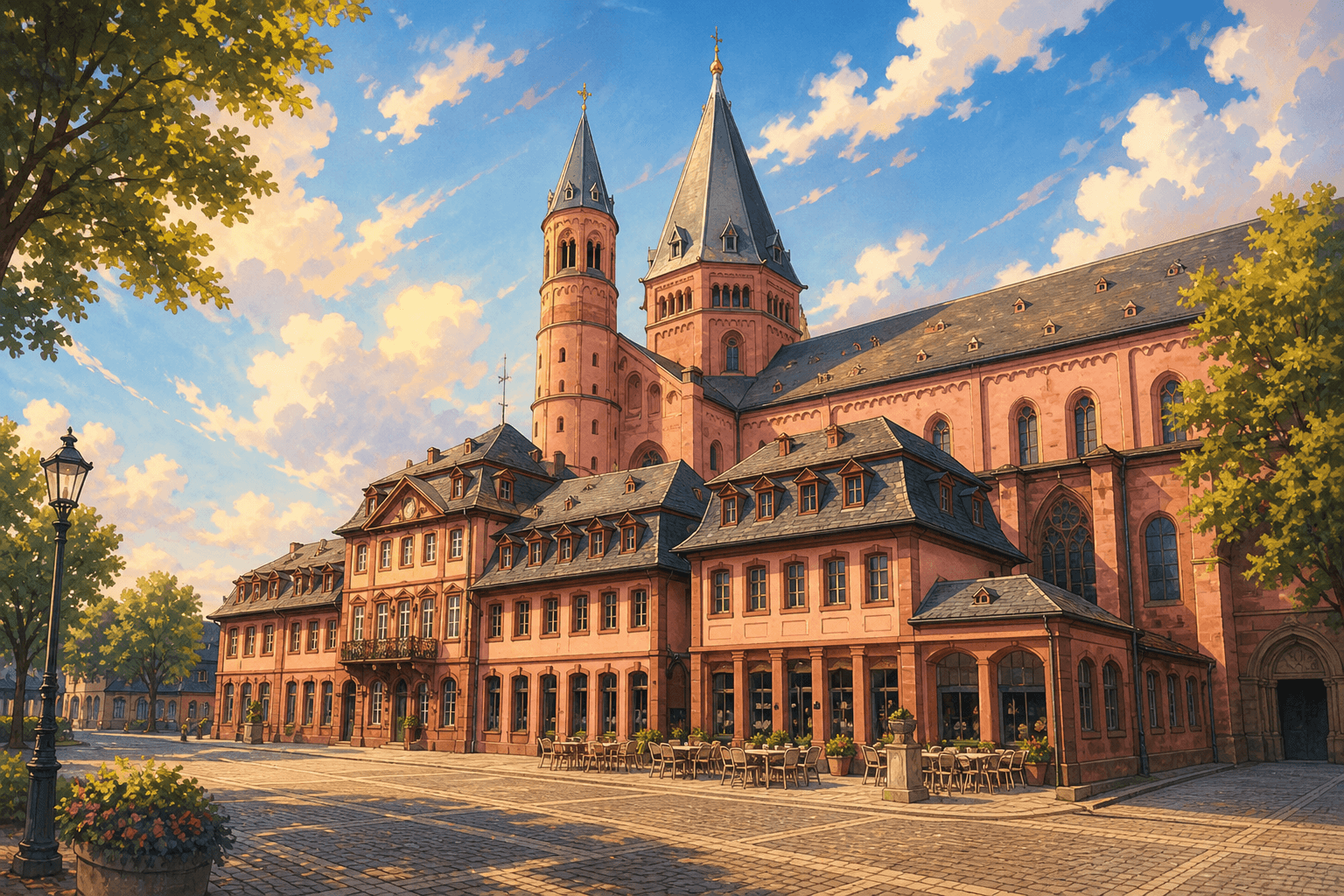
The April meetings of the city of Mainz focused on topics such as usage concepts, administrative coordination, traffic law, and financing. The emphasis was on securing urban space, incorporating culture, and implementing new governance structures.
Governance and Administration in Mainz – April 2026: Urban Space, Communication and Infrastructure in Focus
The April meetings of the city of Mainz have shown that governance and administration in the state capital are intensively engaged with topics such as urban space design, communication processes, traffic law, and the implementation of infrastructure projects. Against the backdrop of the steadily growing needs of the population and the necessity to transform the city of Mainz towards climate neutrality and sustainability, the decisions and discussions in this category have gained particular relevance.
Usage Concepts and Urban Space Design
A central topic was the development of usage concepts for important sites in the old town. In particular, the Neutor School was in the focus. The administration plans a usage concept that includes kindergarten rooms, old town farmers, and cultural spaces for literary, dance, and music events. The local advisory council explicitly demanded the inclusion of two cultural spaces, indicating the growing importance of cultural offerings in the city center.
Discussions are also ongoing regarding the future use of the Schönborner Hof, with the Johannes Gutenberg University playing a central role as the owner. A sale to the city is currently not possible, so the administration is informing the local advisory council about progress. These examples show how the city of Mainz is trying to use urban space through planned usage concepts while at the same time taking into account the interests of residents and cultural actors.
Additionally, a decision was made to name a square after Herbert Bonewitz, indicating the importance of historical awareness and cultural identity.
Communication and Administrative Processes
Another focus was on improving communication between the administration and local advisory councils. The administration plans to systematically involve the Mainz-Old Town local advisory council in future planning updates. This is a step towards a more transparent and citizen-oriented administration that relies on dialogue and participation.
Another example is the noise prognosis report for the wine stand at the Fischtorplatz. After the report was submitted and the noise protection reference values were analyzed, a restaurant license was granted, as the values were significantly undershot. Here it becomes clear how administrative decisions are based on expert reports and legal foundations.
Follow-up inspections were also carried out for large events in order to document and repair damage to green areas. This emphasizes the responsibility of the administration to handle urban space sustainably and responsibly.
Traffic and Administrative Law
In the field of traffic law, questions regarding external operations and bollard installations were in the foreground. Restaurant owners applied for the use of public traffic areas, which required the administration to analyze the costs of parking spaces, loading zones, and pedestrian areas. This shows how the city of Mainz is trying to master the balancing act between economic dynamics and urban order.
Regarding bollard installations after major events, the administration emphasized that a dismantling was necessary for traffic safety reasons. At the same time, legal and construction-related obstacles as well as alternative solutions were discussed. This is an example of the complexity with which administrative decisions must be made.
Another focus was on road safety in the Binger Straße and Hintere Bleiche, where the FDP demanded a review of existing danger spots and structural measures. Such initiatives show how political factions and the administration can jointly contribute to safety and quality of life in the city.
Governance Structures and Responsibility
In the administration, topics such as the securing of tree locations, bicycle racks, and the securing of real estate were in the foreground. The CDU asked about unrepanted locations and the reasons for not replanting, indicating the growing sensitivity for green infrastructure.
In addition, the reactivation of bicycle racks in the Schöfferstraße was discussed, indicating the importance of mobility issues in urban spaces. The securing of the Schönborner Hof by the Johannes Gutenberg University was also a topic that highlights the need for cooperation between the administration and universities.
Political Initiatives and Faction Positions
The political factions brought forward their positions. The Greens regularly asked questions on topics such as noise protection, asphalt surfaces, and safety in urban space. The SPD demanded the inclusion of cultural spaces in the usage concept of the Neutor School, while the ÖDP focused on the reactivation of bicycle racks. The CDU concentrated on abandoned tree locations and the costs of external operations, and the FDP submitted a motion for improving road safety in the Binger Straße.
Outlook
The April meetings show that the city of Mainz is actively working on the development of a sustainable, citizen-oriented, and transparent administration. The inclusion of culture, the securing of urban space, and the improvement of communication processes are central topics that need to be further developed in the coming months. At the same time, the balance between economic dynamics, social responsibility, and ecological goals remains a challenge that Mainz must continue to measure itself against.
NeoSearch analyses public council documents, committee minutes and municipal announcements. Source references appear automatically once verified meeting data is available.
What does this mean for businesses?
Town halls, fire stations, depots and administrative buildings create early construction and refurbishment opportunities. Following council agendas reveals projects before they go to tender.
Track similar decisions in your region
Set up monitoring for public buildings & administration in Rheinland-Pfalz — prefilled from this article.
Set up monitoring →More signals from Mainz
Housing Crisis in Mainz: Challenges, Deficits, and Strategies for 2026
The housing deficit in Mainz is continuing to rise while subsidized housing is declining. The city faces the challenge of creating affordable housing for all population groups – especially for senior citizens, single parents, and low-income households. A deep dive into the current situation, causes, and possible courses of action.
Read more → Youth Policy in Mainz: Playgrounds, Media Protection, and Youth Participation in April 2026
In April 2026, Mainz intensifies its focus on youth policy, emphasizing the modernization of playgrounds, strengthening media protection, and promoting youth participation in political bodies. The Youth Welfare Committee plays a central role in these efforts.
Read more → Mobility Development in Mainz – April 2026 in Focus
In Mainz, the administration is actively addressing the future of mobility. April 2026 brought numerous decisions regarding tram infrastructure, traffic calming, public transport improvements, and the development of green infrastructure. This blog post analyzes the most important developments and their impact on urban mobility.
Read more →