Governance and Administration in the Verbandsgemeinde Bodenheim: Structure, Decisions, and Future Orientation
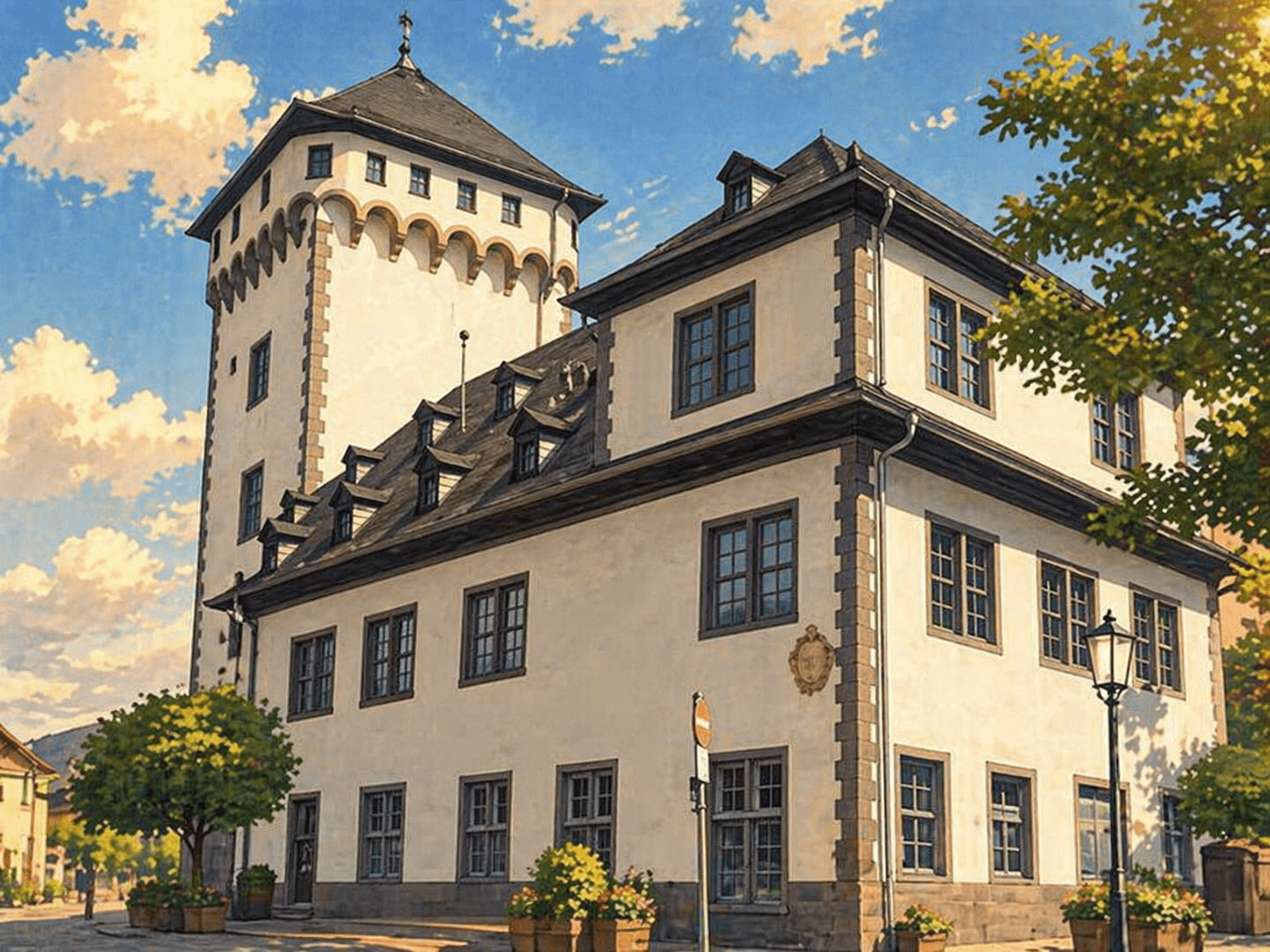
In February 2026, the Verbandsgemeinde Bodenheim focused on numerous decisions in the field of governance and administration. From by-elections in committees to inter-municipal cooperation – the report provides a comprehensive insight into the current administrative structure and the central topics of the Verbandsgemeinderat and administrative meetings.
Governance Structure and Personnel Changes
In February 2026, the Verbandsgemeinde Bodenheim addressed personnel and structural changes that shape the future of local leadership. The public meeting of the Verbandsgemeinderat on 05.02.2026 was marked by the inauguration of Stefan Gardt as a new council member, by-elections in two central committees, and a comprehensive report from the youth work department.
Dr. Robert Scheurer remains Mayor and leads local governance, supported by First Deputy Mayor René Nauheimer. Jonathan Essner takes on the role of Secretary, thus playing a central role in the administrative organization.
The by-elections in the Senior and Disability Advisory Board and the Committee for Agriculture, Viticulture, and Environmental Protection mark personnel adjustments necessitated by the resignation of mandates. Stefan Gardt, proposed by the CDU faction, assumes the successor position in the latter committee, reflecting political structural changes.
Inter-Municipal Cooperation: From Planning to Implementation
Another focus of the meetings was inter-municipal cooperation, particularly in the field of flood protection. In an agreement between several municipalities – including Gau-Bischofsheim, Harxheim, Lörzweiler, Nackenheim, and Rhein-Selz – a hydraulic-technical and ecological flood protection concept was developed. The Verbandsgemeinde Bodenheim takes the lead in this initiative, representing both a responsibility and an opportunity.
Cost-sharing is proportional to the length of the affected water bodies, ensuring a fair distribution of burdens. The agreement is binding for at least five years and can be terminated by any partner with six months' notice. Notably, the financial obligation remains in place even in the case of termination or withdrawal, ensuring the stability and fairness of the cooperation.
Funding and Grants: Security in Local Governance
In the area of funding and grants, several relevant decisions were made. Within the Rhineland-Palatinate funding program "Together Celebrating Safely in Rhineland-Palatinate," the Verbandsgemeinde Bodenheim received a grant of 35,000 €, in cooperation with the city of Mainz and the municipality of Budenheim. The funds are used for the procurement of safety equipment such as OktaBlock barriers and an "Okta Mover," emphasizing regional cooperation in the area of safety preparedness.
In addition, construction work at Nackenheim Primary School was funded. Three companies were commissioned to carry out the roof renovation, scaffolding work, and painting and WDVS (external thermal insulation composite system) work. The total costs amount to approximately 100,000 €, with funding already secured.
Administrative Legal Regulation and Future Security
The agreements on inter-municipal cooperation are clearly regulated legally. Gaps in regulation or disagreements are clarified by the Supervisory and Service Directorate (ADD). Changes to the agreement require written form, and if a provision is invalid, the agreement as a whole remains valid. This legal certainty is crucial for the successful implementation of long-term projects and cooperation.
Outlook: Governance as a Future Factor
The Verbandsgemeinde Bodenheim demonstrates the ability to act in a future-oriented manner with governance structures, personnel changes, and inter-municipal cooperation. The clear definition of decision-making responsibilities, the involvement of the Mayor, Deputy Mayors, and council members, as well as the transparent funding and support of projects, strengthen confidence in local leadership.
In 2026, it will be particularly important to advance the budget planning for the following years in order to prevent debt while at the same time enabling investments in infrastructure, education, and security. The current governance structure provides a solid foundation for this.
NeoSearch analyses public council documents, committee minutes and municipal announcements. Source references appear automatically once verified meeting data is available.
What does this mean for businesses?
Town halls, fire stations, depots and administrative buildings create early construction and refurbishment opportunities. Following council agendas reveals projects before they go to tender.
Track similar decisions in your region
Set up monitoring for public buildings & administration in Rheinland-Pfalz — prefilled from this article.
Set up monitoring →More signals from Bodenheim
Financial Overview of the Verbandsgemeinde Bodenheim 2022 – Stability and Investments in Focus
The financial situation of the Verbandsgemeinde Bodenheim in 2022 remains stable, with a significant annual surplus and controlled debt. Major investments and financing strategies shape the budget planning, which was discussed and evaluated in the meetings of the Audit Committee.
Read more → Retrospective on April 2026 – Financial Health and Clear Structures in Bodenheim
In April 2026, Bodenheim confirmed its financial situation. The Audit Committee approved the 2022 annual accounts. Here are the key developments.
Read more → Governance in the Verbandsgemeinde Bodenheim: Structures, Decisions, and Reforms in March 2026
In March 2026, the Verbandsgemeinde Bodenheim set important milestones in governance. The revised main bylaw, the merger of fire departments, and the introduction of equality and integration offices mark a step toward a more transparent and citizen-oriented administration.
Read more →