Urban Development in Bad Kreuznach: Focus on Planning, Construction, and Climate Change in February 2026
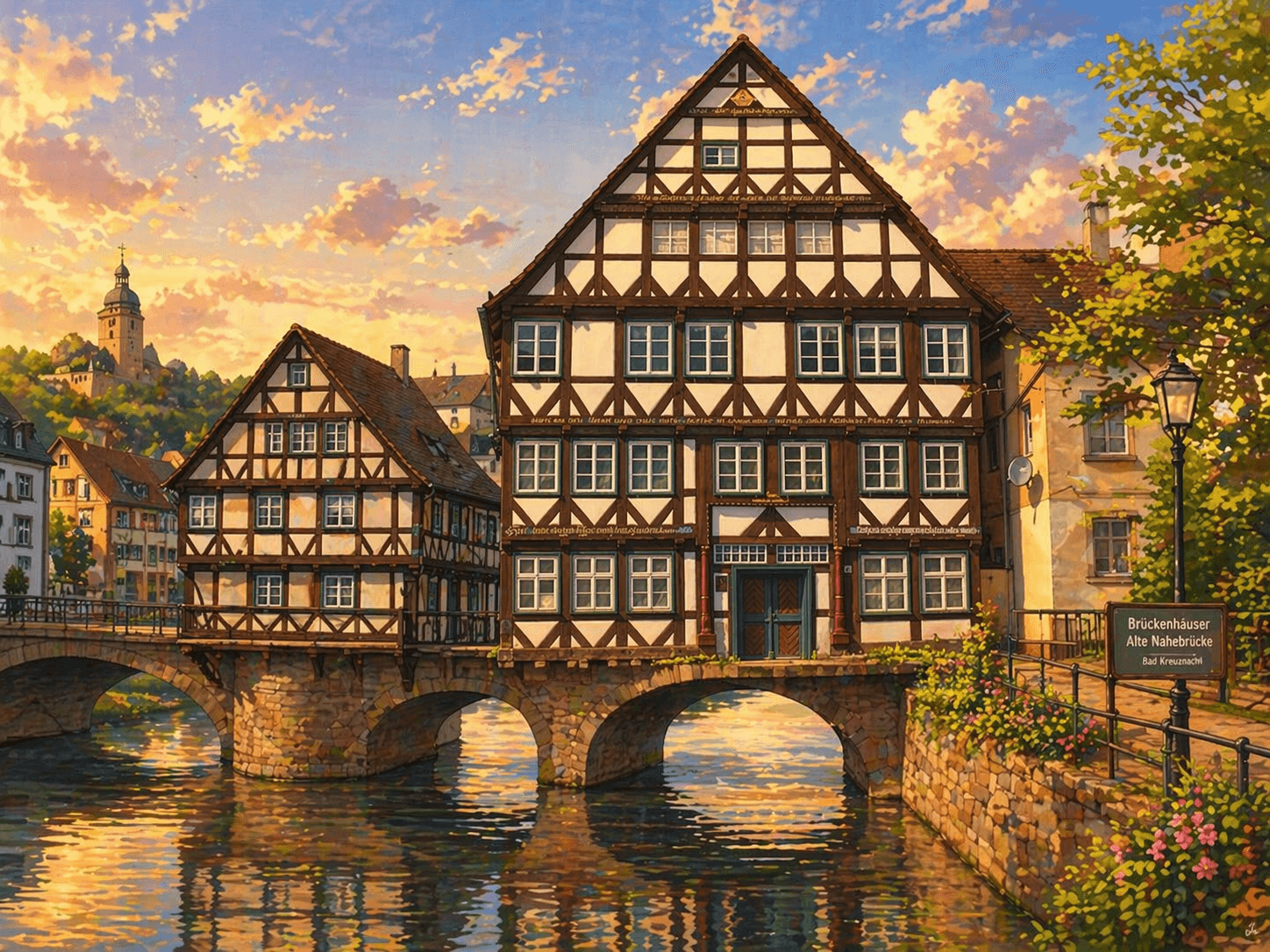
In February 2026, Bad Kreuznach was at the center of crucial debates and planning efforts for urban development. Topics included the expansion of construction areas, the redesign of the spa district, climate protection measures, and park policy reforms. This blog article highlights the key developments and background.
Focus on Urban Development and Architectural Future
Bad Kreuznach has established itself in recent years as a model city for sustainable urban development. In February 2026, the Committee for Urban Planning, Construction, Environment, and Transportation set new impulses with a wide range of topics: from the design of vibrant city centers and the expansion of cycling infrastructure to climate adaptation and parking policy reform. These decisions reflect the challenges of a growing city that prioritizes both economic efficiency and environmental responsibility.
Vibrant Centers: Bad Münster and Huttental as Key Areas
The draft planning for the centers of Bad Münster — particularly Kurpark II and Huttental — was the focus of the committee meeting. Both projects aim to make the city center more attractive and livable.
In Kurpark II, due to flood risks, it was decided to pave the path. In addition, a request for exemption under § 67 of the Federal Nature Conservation Act was submitted to realize the seating steps at the Fährhaus. In Huttental, the draft planning proposal was unanimously approved — with the additional recommendation to involve the City Parent Committee before the implementation planning phase.
These measures show how sensitively the city handles its natural environment without neglecting the needs of its residents.
Climate Protection and Greening: Bad Kreuznach in Transition
Another key focus was the implementation of climate-friendly measures in the city center. Within the framework of the Municipal Investment Program for Climate Protection and Innovation (KIPKI), Bad Kreuznach received funding of 1.5 million euros. These funds are being used for projects such as the greening of the Europaplatz, tree planting along Poststraße, and the redesign of the forecourt of the new town hall.
A special project is the planning of a miniature saltwater spray tower on the Europaplatz, which is intended not only to have a beneficial climate effect but could also serve as a tourist highlight. Although facade greening at the town hall is not feasible due to costs, the rooftop terrace will instead be replanted.
These steps demonstrate how Bad Kreuznach actively combats climate change while simultaneously improving the quality of life in public spaces.
Evolving Parking Policy: Resident Parking and Parking Concept
A central point of contention in the committee was the parking policy in the spa district. Although the introduction of parking fees reduced parking occupancy, it led to the displacement of parking demand to other areas. In addition, there was an increase in applications for resident parking permits, indicating attempts to circumvent the rules.
The city is now considering the introduction of a resident parking zone in the spa area. Such a zone could reduce the parking shortage for residents — especially in areas where the number of housing units and vehicles is not in balance. At the same time, a city-wide parking space concept is being planned, which will take into account displacement effects and environmental impacts.
The debate on parking fees and resident parking reflects the tension between financial sustainability, social equity, and traffic management. The city must carefully balance these factors to find solutions that will be accepted in the long term.
Outlook: Urban Development as a Process
The decisions and debates in February 2026 show how dynamic and multifaceted urban development in Bad Kreuznach is. Whether in the design of vibrant city centers, climate adaptation, or parking planning — each measure is part of a larger plan that combines future security and sustainability.
In the future, it is expected that the city will continue to rely on innovations, such as the use of the "Bauturbo" or the utilization of funding for urban development projects. At the same time, the inclusion of citizens and the transparency of decision-making processes remain crucial to ensure acceptance and participation.
NeoSearch analyses public council documents, committee minutes and municipal announcements. Source references appear automatically once verified meeting data is available.
What does this mean for businesses?
Municipal council decisions are early indicators: following the council agenda surfaces projects and tenders months before the official award — before they ever reach the procurement portals.
Track similar decisions in your region
Set up monitoring for kommunale Projekte in Rheinland-Pfalz — prefilled from this article.
Set up monitoring →More signals from Bad-Kreuznach
Financial Policy in Bad Kreuznach: Budget Decisions in April 2026
In April 2026, the Finance Committee of the city of Bad Kreuznach addressed several central budget decisions. In addition to investments in municipal infrastructure and an increase in the Bauhof hourly rate, the use of endowment assets and commercial tax revenues were also in focus.
Read more → Kindergartens in Bad Kreuznach – Funding, Investments, and Challenges in April 2026
In April 2026, Bad Kreuznach focused on financial support for kindergartens, investments in children’s playgrounds, and the future of the daycare center "die Brücke." The Youth Welfare Committee made decisions on additional subsidies, investment plans, and the rejection of a rent subsidy—each with wide-ranging consequences for parents, operators, and urban planning.
Read more → Economic Roads in Bad Kreuznach: Rehabilitation and Prioritization in the April 2026 Session
The April session of Bad Kreuznach's Agricultural Committee focused on the rehabilitation of economic roads. The city plans to use limited funds efficiently and has set priorities for their maintenance.
Read more →