Governance and Administration in Bad Kreuznach – April 2026 in Focus
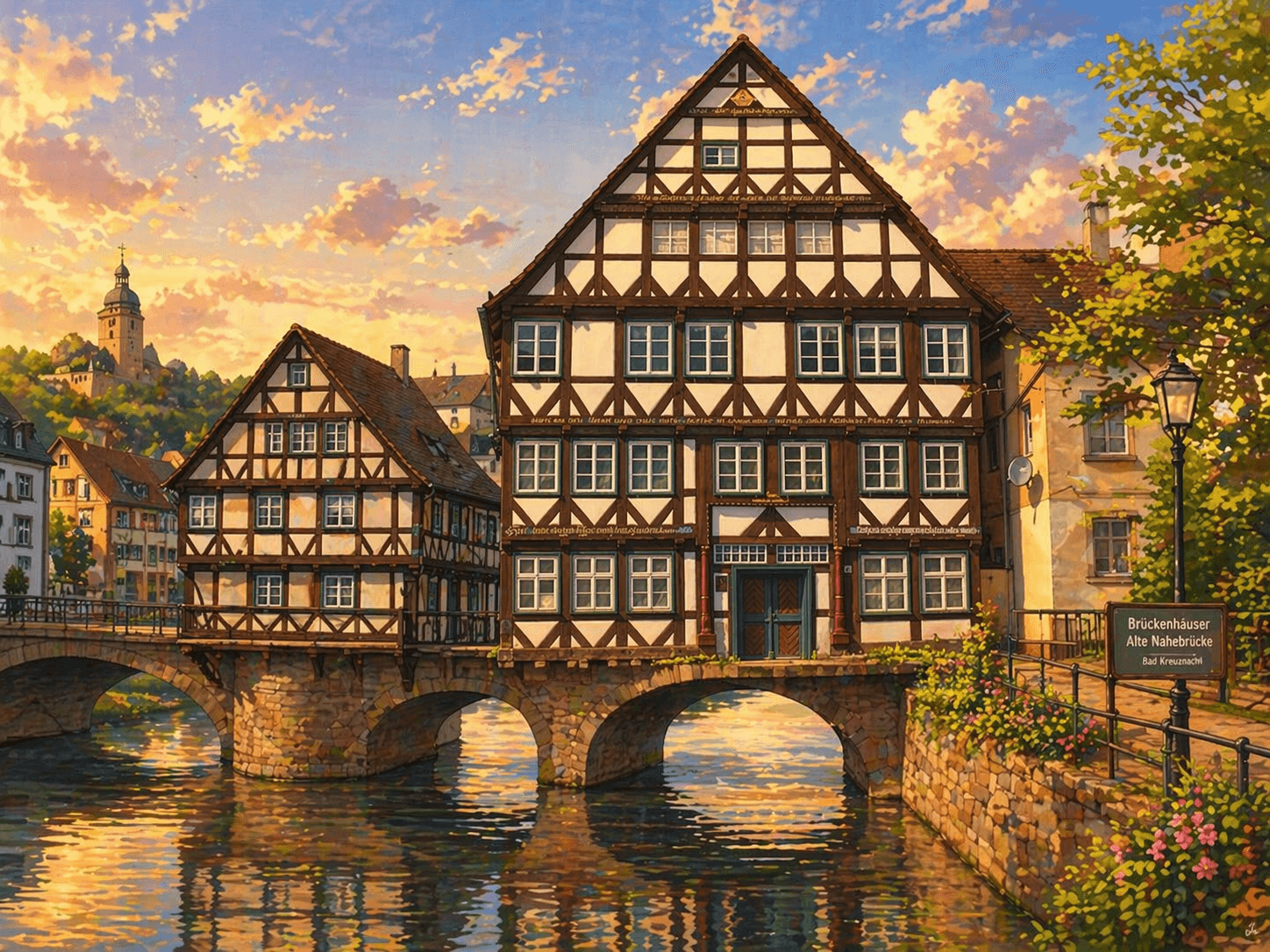
In April 2026, Bad Kreuznach focused on numerous meetings on governance and administration. From the use of historical buildings to traffic policy and the handling of the Germany ticket, the city demonstrates its active engagement in shaping the future.
Governance and Administration in Bad Kreuznach: City Politics in April 2026
In April 2026, Bad Kreuznach was politically active. Numerous meetings of committees, councils, and supervisory boards illustrate how actively the city is working in its administration and which issues are a priority. The focus areas range from the use of municipal properties to traffic policy, integration, and digitalization. Below, we analyze the most important decisions and developments.
Real Estate Policy and Urban Development
A central topic in the meeting of the Main and Personnel Committee on April 20 was the use of the Kurmittelhaus in Bad Münster am Stein-Ebernburg. The SPD motion to use the property for urban development purposes was unanimously adopted. A specific approach was discussed: the development of urban planning models incorporating AI methods will be part of the process to find new investors. This shows how Bad Kreuznach is integrating digital technologies into traditional planning processes to find innovative solutions.
In addition, the local council Planig submitted inquiries regarding the former Pfandler Bakery and the former Eyewear Factory. These properties are considered potentially valuable sites for future developments. The administration is currently working on an evaluation of the locations, which shows that Bad Kreuznach is thinking long-term about the use and development of its urban land.
Traffic Policy and Urban Climate
Traffic policy was also addressed in April. The Mayor announced that the signage for "bicycle-friendly" in the pedestrian zone had been reinstalled. This is a small but symbolic step toward promoting cycling more strongly in the city center. In addition, the issue of "School Street Hofgartenstraße" was taken up. Some council members requested that this matter be brought to a committee or the city council to allow for a broader discussion.
Integration and Migration Policy
The second meeting of the Advisory Board for Migration and Integration on April 29 was another milestone in the city's work. In the public meeting, a review of past activities and an outlook on future projects and opportunities for participation were discussed. The advisory board serves as a bridge between the administration and the migrant population and is a central actor in the development of integrative policy.
Local Cooperation and Supervisory Boards
In Bad Kreuznach, local politics is strongly oriented toward cooperation with municipal companies. As a result, several non-public meetings of supervisory boards took place in April, including the shareholders' meeting of KRN on April 30 and the supervisory board of the Stadtwerke (Municipal Utilities). Although the agendas of these meetings are not publicly accessible, the work of these bodies is crucial for steering the municipal companies and thus for the stability of the city's infrastructure.
Outlook and Challenges
April 2026 shows how diverse governance is in Bad Kreuznach. The city is navigating between traditional tasks such as real estate policy and new challenges such as AI-assisted urban planning, cycling infrastructure, and integration. At the same time, the transparency of political work—particularly in non-public meetings—remains an important issue. The coming months will show whether the unanimous decisions and political initiatives are implemented into concrete projects and measures.
NeoSearch analyses public council documents, committee minutes and municipal announcements. Source references appear automatically once verified meeting data is available.
What does this mean for businesses?
Town halls, fire stations, depots and administrative buildings create early construction and refurbishment opportunities. Following council agendas reveals projects before they go to tender.
Track similar decisions in your region
Set up monitoring for public buildings & administration in Rheinland-Pfalz — prefilled from this article.
Set up monitoring →More signals from Bad-Kreuznach
Financial Policy in Bad Kreuznach: Budget Decisions in April 2026
In April 2026, the Finance Committee of the city of Bad Kreuznach addressed several central budget decisions. In addition to investments in municipal infrastructure and an increase in the Bauhof hourly rate, the use of endowment assets and commercial tax revenues were also in focus.
Read more → Kindergartens in Bad Kreuznach – Funding, Investments, and Challenges in April 2026
In April 2026, Bad Kreuznach focused on financial support for kindergartens, investments in children’s playgrounds, and the future of the daycare center "die Brücke." The Youth Welfare Committee made decisions on additional subsidies, investment plans, and the rejection of a rent subsidy—each with wide-ranging consequences for parents, operators, and urban planning.
Read more → Economic Roads in Bad Kreuznach: Rehabilitation and Prioritization in the April 2026 Session
The April session of Bad Kreuznach's Agricultural Committee focused on the rehabilitation of economic roads. The city plans to use limited funds efficiently and has set priorities for their maintenance.
Read more →