Urban Development in Solingen: Innovation, Climate Adaptation, and Social Infrastructure in Focus
In February 2026, Solingen set new impulses in urban development: From the renovation of historic buildings to adaptation to climate change – an analysis of the key developments and decisions.
Urban Development in Solingen: Innovation, Climate Adaptation, and Social Infrastructure in Focus
Cities grow, change, and develop – and in Solingen, this is happening particularly actively. In February 2026, numerous topics were at the center of discussions at the City Hall, shaping the future of the city: from the renovation of historic buildings to infrastructure expansion, climate adaptation, and the provision of affordable housing. In this blog article, we highlight the most important decisions and developments in urban planning.
1. Renovation and Use of Historic Buildings: Burg Castle and Botanical Garden
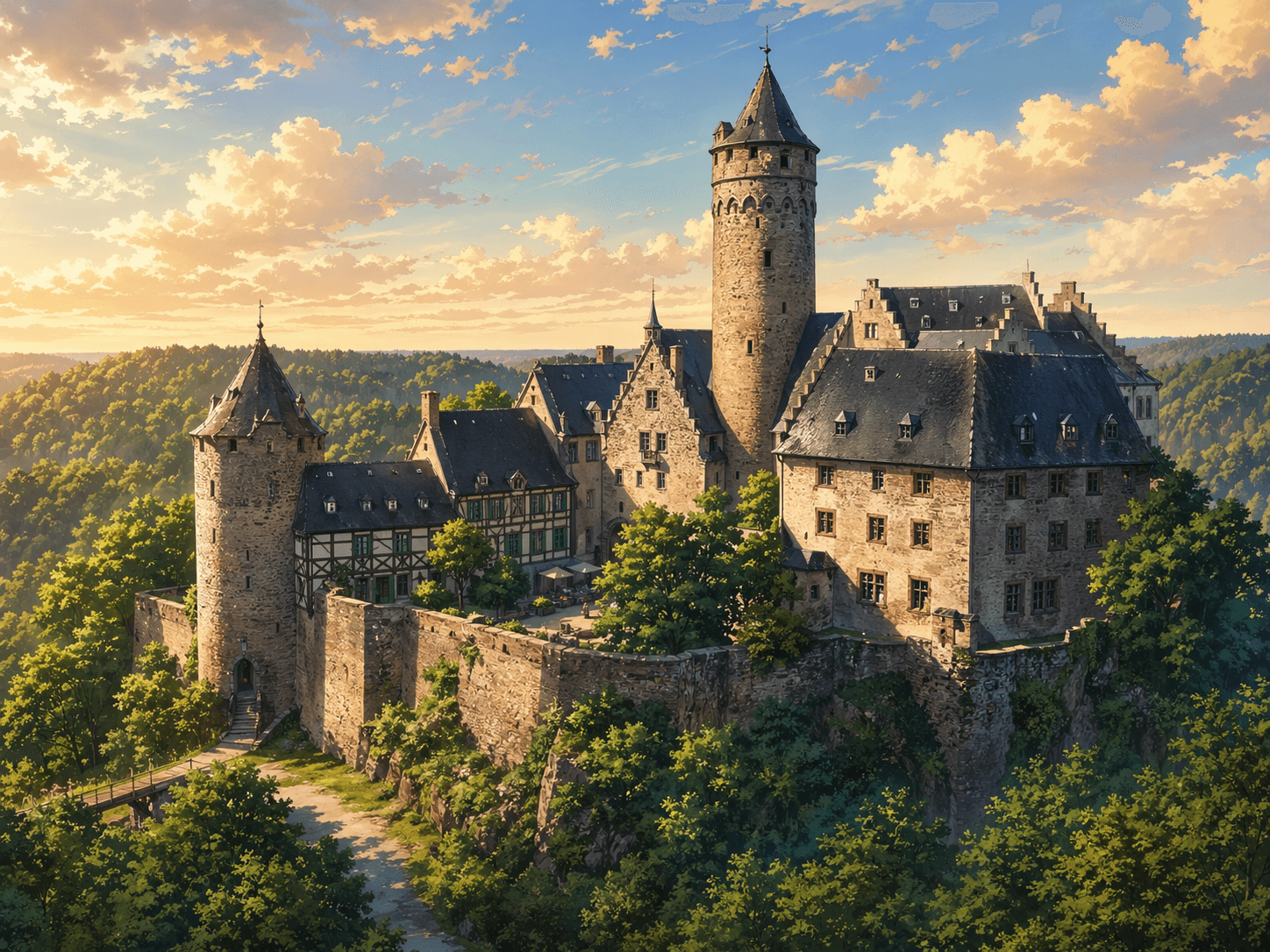
A milestone in cultural and social urban development was the establishment of a non-profit company (gGmbH) for the operation of Burg Castle. With the completion of the renovation planning, the operation of the castle is now ensured in the long term. The gGmbH will be responsible for future maintenance and the further development of the castle as a cultural and social hub.
In addition, a renovation of the ramp system at the Botanical Garden Wald was decided. The measure is part of the integrated urban development concept (ISEK) Wald and is funded 80% by grants. In addition to structural renewal, the felling of three trees is planned, with compensation measures in place. These actions help preserve the Botanical Garden as a place for recreation and education.
2. Climate Adaptation and Sustainable Infrastructure
Climate change is a central issue in Solingen as well. At the City Hall, an extensive climate adaptation concept was further developed. The goal is to design municipal buildings, roads, and green spaces in a way that they can withstand future climate changes. This includes green roofs, retention areas for rainwater, the preservation of cool air corridors, and the development of heat warning systems.
Another focus was the digitalization of the city administration. With the introduction of a digital processing system for participation procedures and the integration into the Bauportal.NRW, transparency and efficiency in urban planning are being increased. The use of digital services is already at a high level – in 2025, 310 digital applications were processed, a significant increase compared to 2024.
3. Mobility and Transport: Expansion of Public Transport and Cycling Infrastructure
Urban development in Solingen goes hand in hand with the modernization of mobility. In February 2026, important planning decisions were made that will shape the future of public transport and cycling. Four new bus stops in the city center of Ohligs were planned, which will be barrier-free by 2028. In addition, the cycle network will be optimized through the introduction of a node system.
Another highlight was the planning of the Meigen train station. Deutsche Bahn is focusing on capacity expansion and barrier-free development at this location. Solingen is financing municipal measures such as the construction of ramps and the renovation of platforms. These investments are not only a benefit for commuters but also a step toward climate-friendly mobility.
4. Housing, Zoning Plans, and Social Infrastructure
Ensuring affordable housing remains a challenge in Solingen. Within the framework of the integrated urban development concept (ISEK) "City 2030," the city center is being made more attractive – through more green spaces, better lighting, and investments in peripheral areas. The focus also lies on the distribution of socially subsidized housing and occupancy management.
A central point was the drafting of the zoning plan H 753, which includes the construction of a new primary school at Aufderhöhe. The project is part of inner-city development and envisions a three-story school with a sports hall. It is designed with sustainability and climate protection in mind – green roofs, photovoltaics, and compact construction are specified.
5. Outlook and Challenges
Urban development in Solingen is characterized by innovation, sustainability, and social engagement. The decisions made in February 2026 show how many impulses are emerging in planning – from the renovation of historic buildings to climate adaptation and infrastructure security. However, challenges remain: The demand for land for commercial and residential use is still high, and the balance between economic growth and environmental protection must be continuously re-evaluated.
In the coming months, it will therefore be crucial to successfully implement the planned projects and ensure financial resources for funding and investment. Solingen has demonstrated that it is on the path to becoming a livable, climate-resilient, and economically strong city – now it is time to consistently advance this path.
NeoSearch analyses public council documents, committee minutes and municipal announcements. Source references appear automatically once verified meeting data is available.
What does this mean for businesses?
Urban development, zoning plans and commercial settlements create early construction and supply opportunities. Following council decisions reveals projects before they go to tender.
Track similar decisions in your region
Set up monitoring for economic development in Nordrhein-Westfalen — prefilled from this article.
Set up monitoring →More signals from Solingen
Solingen Invests in Modern Sports Infrastructure – Sports Committee Approves Renovations and Expansions
In April 2026, Solingen made significant decisions regarding the modernization of its sports and leisure infrastructure. The Sports Committee approved comprehensive renovations, including the modernization of the Ittertal Outdoor Pool, the enhancement of the Jahnkampfbahn stadium, and the preservation of the ice sports hall. These measures reflect the city's central focus on sustainability, barrier-free access, and sporting diversity.
Read more → Solingen in the Cultural Spotlight: April 2026
In April 2026, Solingen set important impulses in cultural and community policy – from the modernization of the city library, the restructuring of cultural management, to cultural cooperation at the art museum. An overview of the significant developments.
Read more → Education Policy in Solingen: Outlook for April 2026
In Solingen, the Committee for Schools and Further Education is intensively engaged with topics such as school social work, digitalization, construction projects, and the future of vocational training. The month of April 2026 marks decisive milestones in the education policy of the city of blades.
Read more →