Governance and Administration in Paderborn – Transparency, Budget Planning and Energy Policy in April 2026
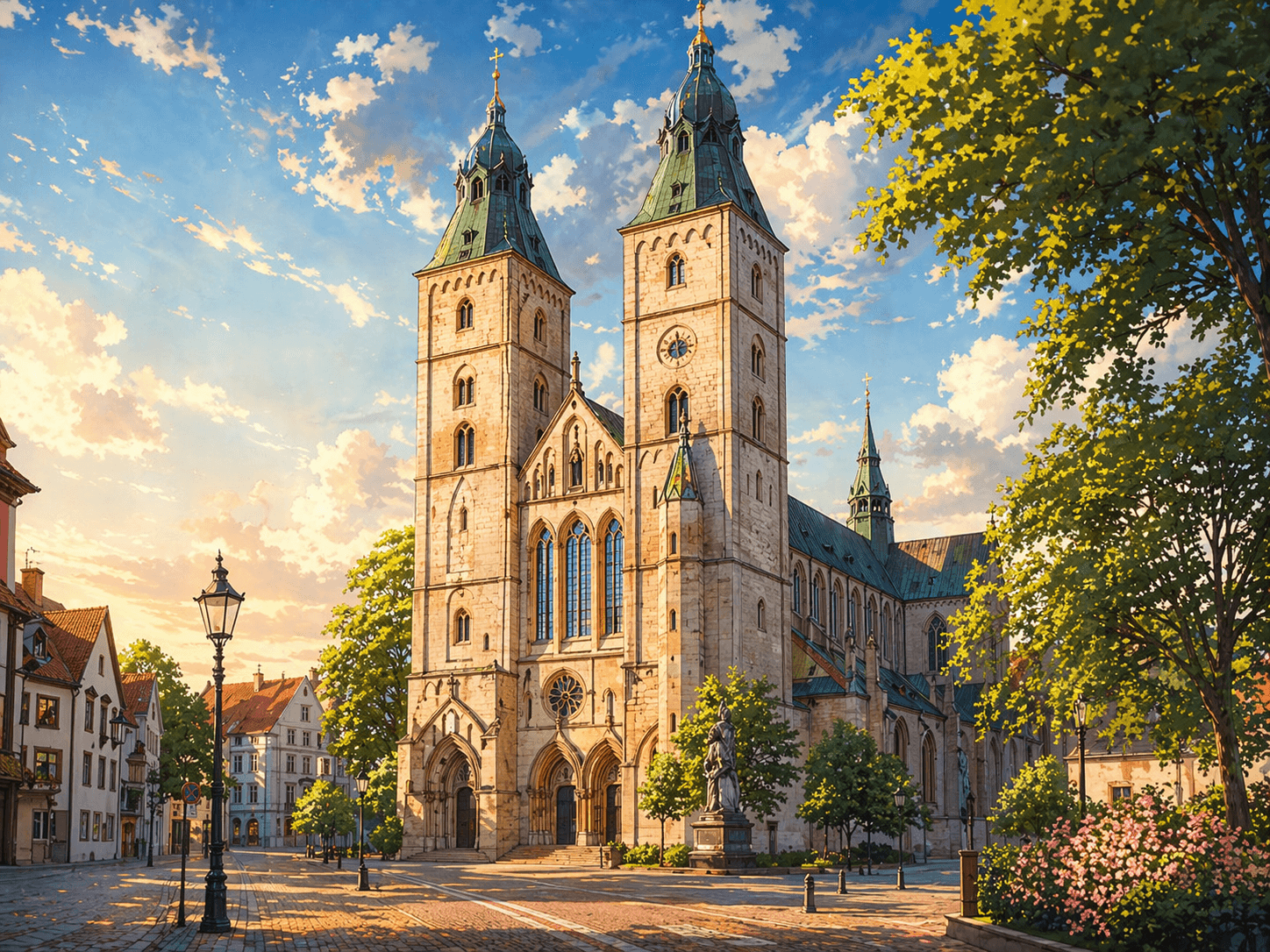
In April 2026, Paderborn focused on important decisions in the area of governance and administration. The Building Management Operations Committee presented quarterly reports and energy targets, while political groups submitted budget proposals.
Governance Structure and Transparency in Focus
In April 2026, the city of Paderborn intensified its focus on governance structure and the transparency of its administrative processes. Sören Lühr, the Head of Building Management, reported to the public Operations Committee on the current status of administrative tasks. The meeting on 29.04.2026 in the historic town hall served as a central venue for discussions on financial planning, energy efficiency, and investment measures.
The administration clearly outlined that quarterly reports are to be submitted in accordance with the amendment to § 20 of the Local Enterprise Ordinance (EigVo NRW). This step aims to inform the Mayor and the Operations Committee about the development and expenditures of the asset plan. Transparency is not only a legal requirement but also an instrument to strengthen trust in the administration.
Budget Planning and Investments
A central topic was the transfer of authorizations from 2025 to 2026. Investment authorizations amounting to over 27 million euros were transferred in order to complete ongoing projects. The funding mainly came from the remaining credit authorization of 40.5 million euros, with the investments running until the end of 2026.
Among the transferred projects are the renovation of the municipal administration at Abdinghof and the expansion of the comprehensive school in Elsen. The investments reflect the city's priorities, focusing on education, administration, and infrastructure. At the same time, inquiries about the renovation of the Maspernhalle and the shortage of construction materials were in the foreground. The CDU and SPD parliamentary groups inquired about the consequences and alternatives if funding is lacking.
Energy Policy as Part of Governance
The 2025 energy report was another focus of the meeting. The report clearly showed that Paderborn is on its way to climate neutrality by 2035. CO2 emissions decreased within seven years from 12,793 tons to 6,118 tons. The administration presented its achievements in energy efficiency and the use of renewable energy, including the doubling of installed heat pump capacity and the expansion of photovoltaic systems.
The administration is setting concrete target values, such as a heating energy consumption below 45 kWh/m²a by 2035. Investments in heat pumps and renovation projects are not only part of climate protection policy but also a central aspect of the city's long-term governance strategy. The integration of energy efficiency into municipal buildings is a key factor in achieving climate goals.
Political Debates and Budget Proposals
In addition to the administrative reports, there were political debates. The FDP/Volt/FBI parliamentary group submitted a budget proposal to reduce the investment in the mobility hub by approximately 2 million euros. The proposal argues with the tense budget situation and questions the necessity of the investment in the façade. This shows how governance is also influenced by political differences. The debate is an example of the balance between long-term planning and current financial reality.
Outlook
The governance structure in Paderborn is changing. The city is demonstrating transparency in its financial planning, is focusing on energy efficiency, and is integrating political debates into its decision-making process. In the future, it will be crucial how well the city can deal with scarce resources – whether in the form of material shortages or a lack of funding. At the same time, the integration of climate protection into administrative planning is a success factor that must be further developed in the coming years.
NeoSearch analyses public council documents, committee minutes and municipal announcements. Source references appear automatically once verified meeting data is available.
What does this mean for businesses?
Town halls, fire stations, depots and administrative buildings create early construction and refurbishment opportunities. Following council agendas reveals projects before they go to tender.
Track similar decisions in your region
Set up monitoring for public buildings & administration in Nordrhein-Westfalen — prefilled from this article.
Set up monitoring →More signals from Paderborn
Youth Policy in Paderborn: Focus on Participation and the Future
In April 2026, youth policy initiatives and decisions were at the center of attention in Paderborn. The City Youth Council met to discuss a central topic – how young people can be actively involved in urban development. An overview of the current situation, decisions, and challenges.
Read more → Education Policy in Paderborn: Focus on Sustainability, Full-Day Schools, and Language Support
In April 2026, several central topics of education policy were in focus in Paderborn. In addition to progress in the climate protection project at municipal schools, the future of full-day schools and the introduction of ABC classes were also discussed.
Read more → Paderborn April 2026: Focus on Education, Finances, and Energy
In April 2026, Paderborn prioritized decisions in the education sector, budget consultations, and energy development. The School Committee set climate protection incentives and meal allowances, the Main and Finance Committee discussed the 2026 budget ordinance, and the GMP presented energy reports. Here are the key developments at a glance.
Read more →