Climate Protection and Ecology in Neuss: Focus on February 2026
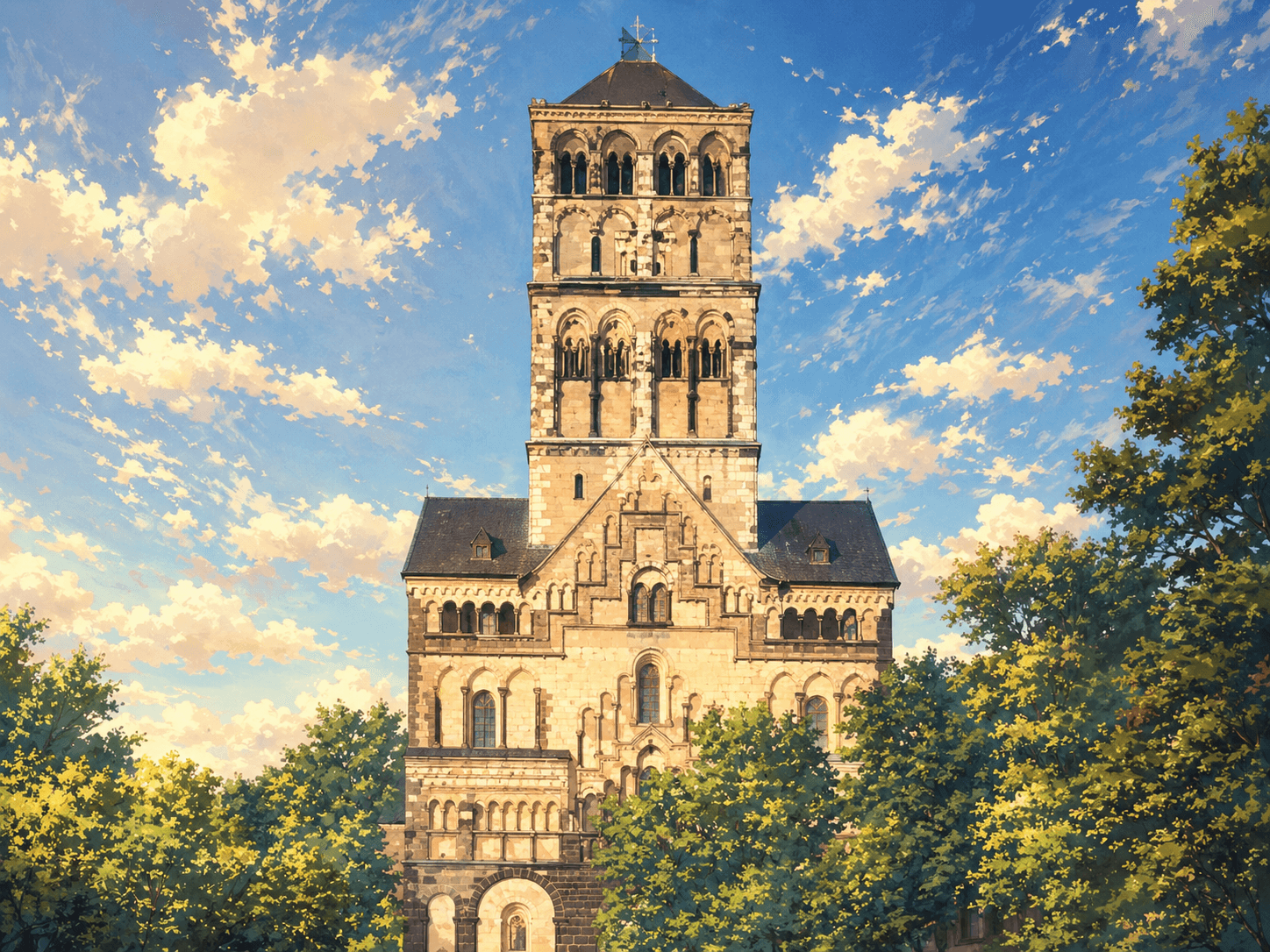
In February 2026, Neuss focused on implementing climate-friendly measures and preserving natural habitats. The Committee for Environment, Green Spaces, and Climate Protection discussed digital tools, the condition of regional water bodies, species protection, and the role of the State Garden Show in climate adaptation.
Climate Protection in Practice: February 2026 in Neuss
February 2026 was an intense month for climate protection and environmental work in Neuss. On February 4, the Committee for Environment, Green Spaces, and Climate Protection convened and addressed a wide range of topics affecting the city's ecological development and long-term climate adaptation. Particularly notable were the discussions on digital solutions, watercourse maintenance, species protection, and the role of the State Garden Show 2026.
Digital Tools in Climate Protection: Innovation and Streamlining Work
A central point of the meeting was the presentation of a digital tool for the Integrated Climate Protection Concept (IKK). The system aims to replace manual data entry and increase efficiency. Although the tool is not inexpensive—with a one-time cost of 5,000 euros and annual fixed costs of 9,995 euros—it offers promising functionality.
The focus was on visible CO2 emission reduction potential. In the long term, CO2 balances are to be entered directly into the system, and a KI-based chatbot is under development. The goal is to make climate protection more transparent and accelerate decision-making processes.
Watercourse Maintenance: Gillbach and Hummelbachaue in Focus
Discussions about the condition of the Gillbach and the Hummelbachaue highlighted how sensitive Neuss's ecological development is. The Gillbach, part of the planning unit "Erftunterlauf, Gillbach, and Norfbach," is strongly morphologically burdened. It is fed by wastewater, stormwater, and septic tank water, leading to high levels of phosphorus and pesticide residues—a risk for eutrophication.
Although the Erft Association has carried out renaturation work since the 2000s, the ecological condition remains critical. Banks and site-appropriate shrubs have been planted to provide shade and prevent warming from sunlight. Nevertheless, the overall ecological condition of the Gillbach is still rated as "poor."
The Hummelbachaue was also discussed. Here, the focus is on preserving natural habitats. The administration works closely with the Erft Association to remove sediment deposits and tree trunks. State funds for ecological improvements are under discussion.
Species Protection: Toad Tunnels, Squirrels, and Selikumer Park
Species protection was also a key topic. The toad tunnel at the Morgensternsheide is being restored to ensure permeability for amphibians. Additionally, planned measures for the creation of a squirrel bridge and a resettlement site were discussed—a project that combines adaptation to climate change and the preservation of the biotope reservoir.
In Selikumer Park, the condition of the connected water bodies was addressed. The ponds are worth preserving, but natural succession threatens to lead to siltation. Dredging is ecologically sensible but financially costly. The CDU called for a review of ecological measures.
2026 Budget Plan: Criticism and Climate Protection Funding
The draft budget for 2026 for the Environmental and Climate Office was intensively discussed. A CDU amendment to categorize budget items by mandatory and voluntary services was unanimously adopted. The AFD criticized climate protection expenditures as untargeted, which sparked a controversial debate in the meeting.
Particularly striking was the depreciation of solar panels in the budget. Administration expert Dr. Welpmann explained that these are annual depreciation costs that depend on future investments. Climate neutrality is defined by CO2 emission reductions—1 ton per inhabitant per year.
Conclusion: Climate Protection as a Long-Term Task
February 2026 in Neuss has shown that climate protection is not only an ecological, but also a financial, planning, and political challenge. The discussions on digital tools, watercourse maintenance, species protection, and budget planning underscore the complexity of the issues.
What remains clear is the insight: climate protection needs innovation, but also sustainability in financing and transparency in implementation. With the State Garden Show 2026, Neuss also has an opportunity to bring the topic of climate adaptation into public discourse—a task that is well worth pursuing.
NeoSearch analyses public council documents, committee minutes and municipal announcements. Source references appear automatically once verified meeting data is available.
What does this mean for businesses?
Municipal heat planning, photovoltaics and climate measures create early project indicators. Following council decisions surfaces sites and tenders before they are publicly advertised.
Track similar decisions in your region
Set up monitoring for environment & climate in Nordrhein-Westfalen — prefilled from this article.
Set up monitoring →More signals from Neuss
Mobility in Neuss – A Municipal Policy Analysis April 2026
In April 2026, mobility took center stage in Neuss: from bicycle infrastructure to speed regulation. The focus was on the implementation of the cycling network, the development of neighborhood garages, and the adaptation of street infrastructure to future mobility needs.
Read more → Citizens' Initiative Reform and Legal Changes in Neuss
In April 2026, the city of Neuss adopted key legal and political measures to strengthen citizen participation, improve security, and advance the city's digital future. The focus is on reforming the citizens' initiative regulations, integrating asylum seekers, and involving youth in urban planning.
Read more → Governance and Administration in Neuss: Integration, Structures, and Challenges in April 2026
In April 2026, the city of Neuss made important decisions regarding governance and administration, focusing on integration, collaboration with the Rhein-Kreis, and administrative structures. The emphasis was on promoting equal opportunities, improving naturalization statistics, and strengthening intercultural work.
Read more →