Youth Policy in Mülheim: How Movement, Sport, and Community Shape Everyday Life
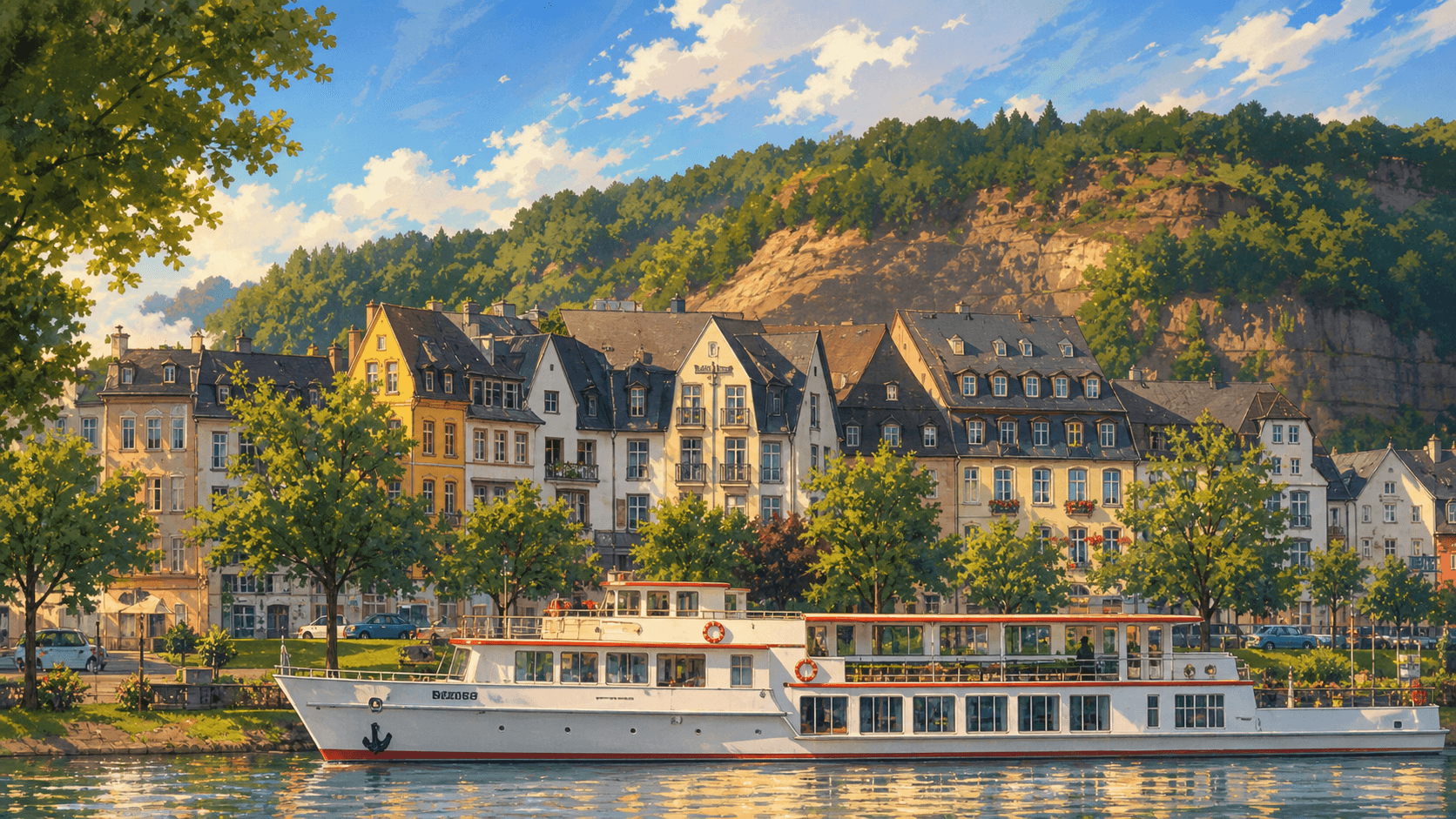
In March 2026, Mülheim an der Ruhr saw a variety of initiatives and projects for young people in focus – from school sports to trend sports and new sports facilities. We analyze how the city's youth plan is being implemented in practice and what impact it has on the quality of life for young people.
Youth Policy in Mülheim: Movement as a Key to Inclusion
In recent years, youth policy in Mülheim an der Ruhr has gained significant momentum. In March 2026, several projects and initiatives for young people once again took center stage, promoting not only sports activities but also social inclusion and a sense of community. The city offers a wide range of movement and leisure activities, ranging from school sports to youth centers and international competitions. In the following, we analyze the most important developments and their significance for the lives of young people in Mülheim.
School Sports: More Than Just Competition – A Holistic Approach
The School Sports Committee in Mülheim has established itself as a central actor in the physical development of children and young people. In March 2026, preparations for the State Sports Festival were particularly in focus. Overall, over 40 events took place during the school year 2024/2025, including competitions such as “Ball over the String,” Aqualympics, and the Dancing Day. These events are not only competitions but also platforms for teamwork, creative movement, and healthy competition.
Another highlight was the “Flotte Flosse” (Fast Fin) project, which ensures the swimming abilities of students. The goal is that all children can swim confidently when they start secondary school. With the achievement of badges such as the Seepferdchen (Seahorse) and Bronze Badge, Mülheim is on a good path – currently, 60% of children are confident swimmers.
TrendSport Mülheim: Young People as Co-Creators of Their Leisure Activities
TrendSport is a central pillar of youth policy in Mülheim. The program, significantly further developed in 2025, places great emphasis on involving the target group in the design of the offerings. In 2026, the focus is on quality development and community, with new sports facilities such as the Radmotorikpark in Winkhausen and a modern skate and pump track in Saarn.
In March 2026, initial steps toward the opening of these facilities were already taken. In addition, the digital presence of TrendSport is being expanded to better reach young people. With a broad range of roller sports, cycling, water sports, and movement arts, TrendSport offers not only leisure activities but also opportunities for social integration and healthy lifestyles.
Sportpark Styrum: A Central Meeting Point for Movement and Community
Sportpark Styrum is another central element of youth support in Mülheim. With a diverse program of open sports opportunities, courses, and events, the park provides space for movement and encounters. In March 2026, preparations for the large football tournament on May 30 and the World Cup-themed festival on July 4 were in the foreground.
In addition, the Sportpark collaborates closely with schools to relieve the after-school system and to specifically support young people. With the new educational staff Janik Schweers and Martin Beckonert, the offerings are continuously further developed – both in content and in structure.
Outlook and Challenges
Youth policy in Mülheim has become firmly established and is being sustainably implemented through structured programs such as TrendSport and the Sportpark Styrum. However, the challenge remains to reach all young people – especially those from marginalized groups or socially disadvantaged families. In addition, the offerings must be continuously adapted to the needs of the target group.
In 2026, the city will therefore place greater emphasis on quality development, community building, and digital integration. The inclusion of young people in political bodies such as the Youth City Council or the Ring of Political Youth remains a central building block to make youth policy transparent and participatory.
Conclusion: Movement as a Bridge to the Future
Mülheim demonstrates how movement and sport can not only contribute to health but also strengthen social inclusion and integrate young people into the community. With a wide range of leisure and sports opportunities, but also through political structures that include young people, the city has created a strong foundation. The challenges remain, but the course is clear – and this is a positive signal for the future of youth in Mülheim.
NeoSearch analyses public council documents, committee minutes and municipal announcements. Source references appear automatically once verified meeting data is available.
What does this mean for businesses?
Schools, daycare centres and public buildings create early planning and construction opportunities. Following council agendas surfaces tenders for refurbishment, new builds and fit-out months before the official award — from shell construction to specialist planning to furnishing.
Track similar decisions in your region
Set up monitoring for education & public facilities in Nordrhein-Westfalen — prefilled from this article.
Set up monitoring →More signals from Muelheim
Mülheim 2026: Governance Developments and the New Identity of the Committee for Equal Opportunities and Integration
In April 2026, Mülheim engaged intensively in the further development of its governance structure. The Committee for Equal Opportunities and Integration (ACI) faced new challenges – from revising subsidy guidelines to developing a set of rules of procedure. The focus was on equal opportunities, integration, and the strengthening of democratic values.
Read more → Mülheim's Mobility in Focus: Road Safety, Charging Infrastructure, and Climate Adaptation
In April 2026, the city of Mülheim an der Ruhr focused on various measures in the field of transport and mobility. Alongside road safety and the development of charging infrastructure for electric vehicles, topics such as climate adaptation and stormwater management were also advanced. This blog report highlights the key developments and their significance for the city.
Read more → Mülheim's Financial Policy in April 2026: Fee Adjustments, Staff Development, and Budget Planning
In April 2026, several significant decisions in the area of financial and budget policy were made in Mülheim an der Ruhr. The focus was on administrative fees, staff development, and the preliminary planning for the double-year budget 2026/2027.
Read more →