Culture and Community in Mönchengladbach: An Analysis of February 2026
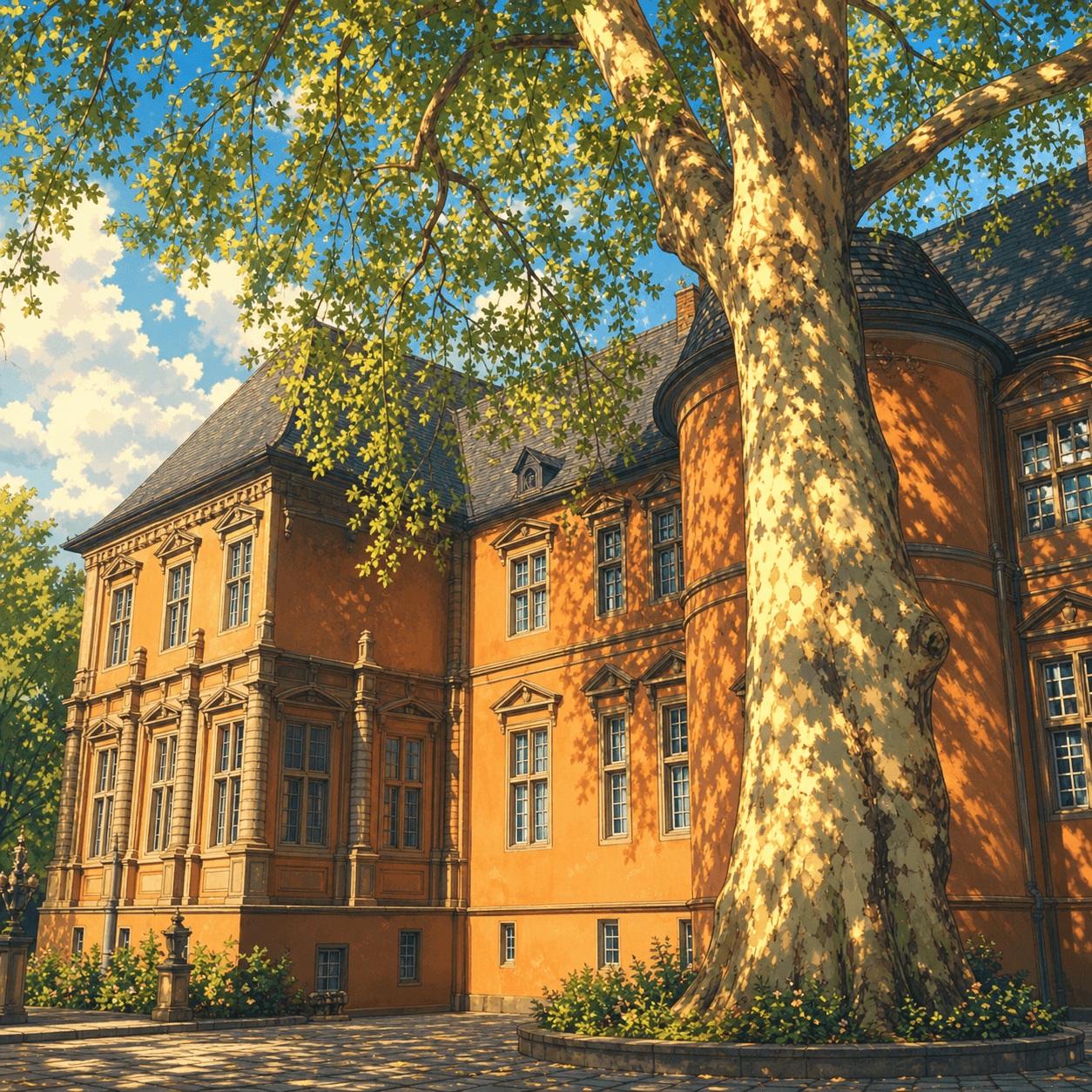
In February 2026, Mönchengladbach set new impulses in cultural and community policy with a wide range of cultural projects, museum innovations, and inclusive initiatives. The Blog-Dive highlights the most important developments and their societal significance.
Culture as a Creator of Order in Mönchengladbach
In a time when social participation and cultural identity are increasingly coming into focus, a city’s cultural policy is crucial for its future viability. Mönchengladbach has established itself in recent years as a vibrant cultural metropolis, not only through its museums and festivals, but also through a strong awareness of inclusion, networking, and cultural education. February 2026 was marked by comprehensive developments in these areas – from the promotion of independent arts to the digitalization of cultural offerings.
Museums as Central Actors in Cultural Identity
The museum landscape in Mönchengladbach is not only a cultural highlight, but also a central actor in city life. In February 2026, the Museum Abteiberg set another milestone with its exhibition „GRANT MOONEY sum“. The collaboration with international artists underlines the institution’s global reach. At the same time, barrier-free accessibility is being further optimized – a step that is not only inclusive, but also forward-looking.
At the same time, the Museum Schloss Rheydt focuses on historical relevance and research. With the exhibition „Pflicht und Privileg. Adelige Frauen der Frühen Neuzeit“, a historical topic is reinterpreted, promoting both education and cultural exchange. The renovation of the exterior façade and the greened wall layout also signal a long-term investment in cultural infrastructure.
Cultural Education and Music School: Talent Development as an Investment in the Future
The Music School Mönchengladbach has established itself in recent years as a key actor in cultural education. In February 2026, the focus was on achievements in the competition „Jugend musiziert“, which are attributable to intensive work with students and kindergartens. With 54% of primary schools participating and 31 kindergartens cooperating, it becomes clear that cultural education in Mönchengladbach is not just an option, but a fixed part of educational policy.
The EMU program (Use of Music in Schools) and the JeKits program (Youth for Children in the Music School) are examples of innovative approaches that strengthen the integration of music into school and early childhood education. The introduction of an app for teachers, students, and parents is another step towards digitalization and transparency.
Cultural Development Plan and Festivals: Networking as a Key
The Cultural Development Plan (KEP) is a central guideline for Mönchengladbach’s future cultural policy. In February 2026, the results of the participation phase were in the spotlight, in which over 150 actors contributed their perspectives. The focal points cultural diversity, networking, and future viability show that the city is not only relying on artistic quality, but also on social responsibility.
The festival „blank spaces“ is another example of cultural networking. With its focus on vacant spaces and social participation, it has established itself as a platform for artistic experiments. At the same time, the „Musik im Quartier“ series is continued, which not only strengthens cultural, but also social values in nursing homes.
Inclusion and Diversity: More Than a Buzzword
Inclusion is not just a buzzword in Mönchengladbach, but a central part of cultural policy. The Museum Abteiberg offers guided tours and workshops for and by people with disabilities, the music school has its own inclusion concept and a protection concept for children and youth. These measures show that diversity in cultural work is not just tolerated, but actively shaped.
Intercultural projects such as „Mein Viertel. Mein Museum“ or cooperation with refugee and migrant organizations contribute to making society in Mönchengladbach even more diverse and vibrant. The culture of remembrance, especially on topics such as anti-Semitism and hereditary health courts, is another important element that emphasizes the city’s historical responsibility.
Outlook: Culture as a Long-Term Investment
The developments in February 2026 show that Mönchengladbach is on the right path to actively addressing cultural and societal challenges. The investments in museums, exhibitions, and educational programs are not only short-term actions, but part of a long-term strategy that positions the city as a lively, inclusive, and creative space.
In the future, it will be important to further strengthen digitalization and networking – not only in cultural work, but also in administration and communication. The integration of AI into the pedagogical work of the music school is a step in this direction, which requires caution and responsibility, but also offers opportunities.
Mönchengladbach proves that culture is more than entertainment – it is an order that supports, connects, and develops societies.
NeoSearch analyses public council documents, committee minutes and municipal announcements. Source references appear automatically once verified meeting data is available.
What does this mean for businesses?
Municipal council decisions are early indicators: following the council agenda surfaces projects and tenders months before the official award — before they ever reach the procurement portals.
Track similar decisions in your region
Set up monitoring for Culture and Community in Nordrhein-Westfalen — prefilled from this article.
Set up monitoring →More signals from Moenchengladbach
Sports Facility Development in Mönchengladbach: Inclusive Sports and Activity Areas in Focus
In April 2026, the city of Mönchengladbach will place greater emphasis on the development of inclusive sports facilities and activity areas. As part of the "Small Equipment Sports in Urban Spaces" package of measures, new sports areas will be expanded in the districts of Nord, Ost, Süd, and West to create intergenerational offerings.
Read more → Youth Participation in Mönchengladbach: A Look at the Youth Parliament in April 2026
In April 2026, the Youth Parliament of Mönchengladbach was in the spotlight. An important meeting on April 15th made decisions about structure, cooperation, and cultural exchange projects. This blog provides the background, structure of the meeting, and its significance for youth participation in the region.
Read more → Future of the JHQ Site: Between UfA, Industrial Development and Nature Conservation
In April 2026, the planning for the JHQ site in Mönchengladbach was in focus. The feasibility study, urban development plans, and legal hurdles are decisive for the future of the 376-hectare site in Rheindahlen. This blog analyzes the available options, the existing risks, and the opportunities for urban development.
Read more →