Urban Development in Leverkusen: Sustainability, Construction and Infrastructure in April 2026
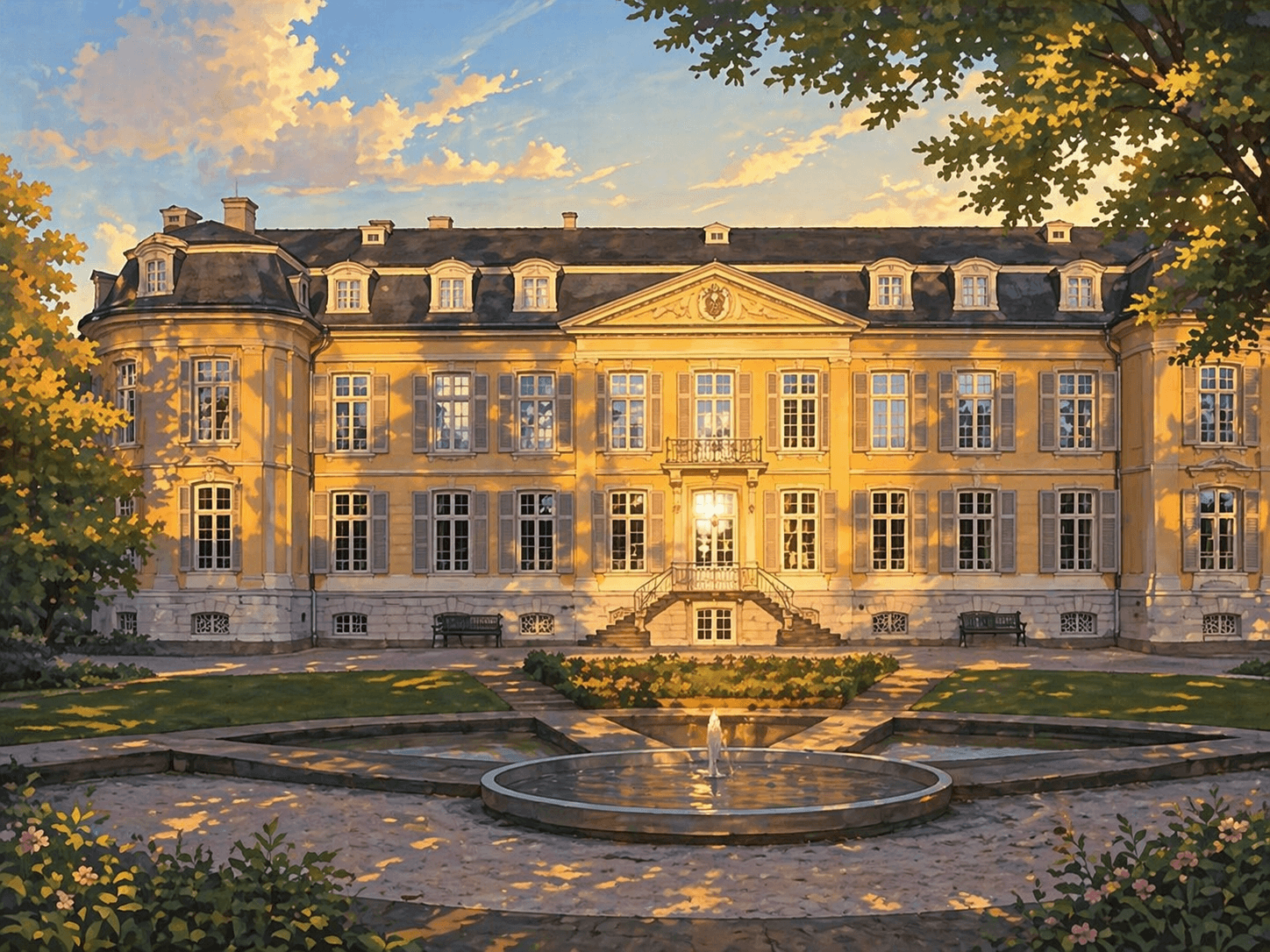
In April 2026, Leverkusen saw key developments in the fields of urban development, construction, and infrastructure. From legal conflicts in building law through sustainable education to road safety: An overview of the most important topics.
Urban Development in Leverkusen: Legal Challenges and Sustainable Visions
In April 2026, Leverkusen focused on both legal conflicts and sustainable development strategies. Particularly notable was the discussion regarding the Design Regulation for the Hitdorf Port Area, where District Committee I passed a resolution that was challenged and overturned by the Mayor. The reason was the clear responsibility of the City Council in drafting such regulations. The case illustrates how closely intertwined competencies are in municipal building law and how important it is to respect legal boundaries to avoid conflicts.
Moreover, it became clear that construction plans, such as those for the Kran-Café site, cannot simply be expanded without new proposal drafts. This underlines the need for transparency and planning security in municipal construction projects—especially in sensitive areas such as flood zones.
Sustainability as a Central Development Pillar
Another central topic was Education for Sustainable Development (ESD), which has been established as a cross-cutting theme in Leverkusen's sustainability strategy since 2021. Through a participatory process in which five working groups developed a municipal ESD concept, Leverkusen demonstrates how sustainability can be integrated into the educational landscape.
Particularly interesting is the integration of ESD in kindergartens, where playful approaches such as the interactive book "Come, Bring Luck!" are used. In addition, pilot projects are underway to collect and visualize ESD offerings, positioning the city as a pioneer in sustainable education.
The City's Sustainability Strategy also serves as a central guideline. It includes five action areas, among them climate protection, housing, social justice, and global responsibility. The Sustainability Advisory Board and a monitoring system ensure that the goals are not only formulated but also implemented.
Infrastructure and Transport: Challenges and Solutions
In the infrastructure sector, construction projects and road safety were in the foreground. The renovation of Brandenburger Straße, the expansion of the interchange at Europaring/B8, and the renewal of the Wietsche Mühle pedestrian and cycle bridge are examples of the continuous development of the city's infrastructure.
There were also significant developments in the area of road safety. The speed limits on Langenfelder Straße, which were revoked as legally invalid, show how sensitive the issues of speed control and road safety are in urban areas. In addition, pilot projects are being examined to optimize lighting and increase the quality of public spaces, particularly in areas perceived as dark or unsafe.
Future Initiative: E-Mobility, Unpaving and Digital Solutions
Leverkusen is also relying on innovations to remain future-ready. The discussion on e-mobility and the unpaving of surfaces shows how the city is actively trying to combat climate change. With projects such as the "Unpaving" Competition and the planning of climate-resilient neighborhood developments, Leverkusen is investing in sustainable urban concepts that not only protect the environment but also enhance quality of life.
In addition, digitization in education and administration is being advanced. Through online training on the cLEVer-Campus platform and the use of social media for ESD topics, Leverkusen shows how modern technologies can be used to make sustainability and education more accessible.
Summary: A Model for Urban Development with a Future
In April 2026, Leverkusen is at the intersection of law, sustainability, infrastructure, and innovation. The city demonstrates how it can deal with legal challenges without losing sight of the vision of a sustainable, livable city. At the same time, it is investing in infrastructure and road safety to improve the quality of life for its citizens. The integration of ESD in educational institutions and the use of digital solutions for sustainability and administration make Leverkusen a model example for forward-looking urban development.
NeoSearch analyses public council documents, committee minutes and municipal announcements. Source references appear automatically once verified meeting data is available.
What does this mean for businesses?
Urban development, zoning plans and commercial settlements create early construction and supply opportunities. Following council decisions reveals projects before they go to tender.
Track similar decisions in your region
Set up monitoring for economic development in Nordrhein-Westfalen — prefilled from this article.
Set up monitoring →More signals from Leverkusen
Leverkusen Climate Check: Environmental Measures in April 2026
In April 2026, Leverkusen made a strong statement in environmental and climate policy: from rainwater management and education for sustainable development to mobility strategies and waste management. The focus was especially on preventive measures for climate resilience and long-term sustainability.
Read more → Leverkusen: Culture and Community in Focus – How the City Strengthens Its Cultural Identity in April 2026
In April 2026, Leverkusen has advanced a wide range of cultural, integrative, and sustainable projects. This blog article analyzes how the city strengthens its identity in the areas of culture and community through events, partnerships, and social initiatives, actively involving its population.
Read more → Sports Facility Development in Leverkusen 2026: Between Investment, Sustainability, and Usage
In Leverkusen, sports will be in the spotlight in April 2026 with a wide range of investment and renovation projects. The city is not only planning the construction of a new multi-use sports hall and energy-efficient renovations, but also the long-term optimization of its sports infrastructure. This in-depth blog highlights the most important developments, background information, and challenges.
Read more →