Leverkusen and the Challenges of Heat on Public Health
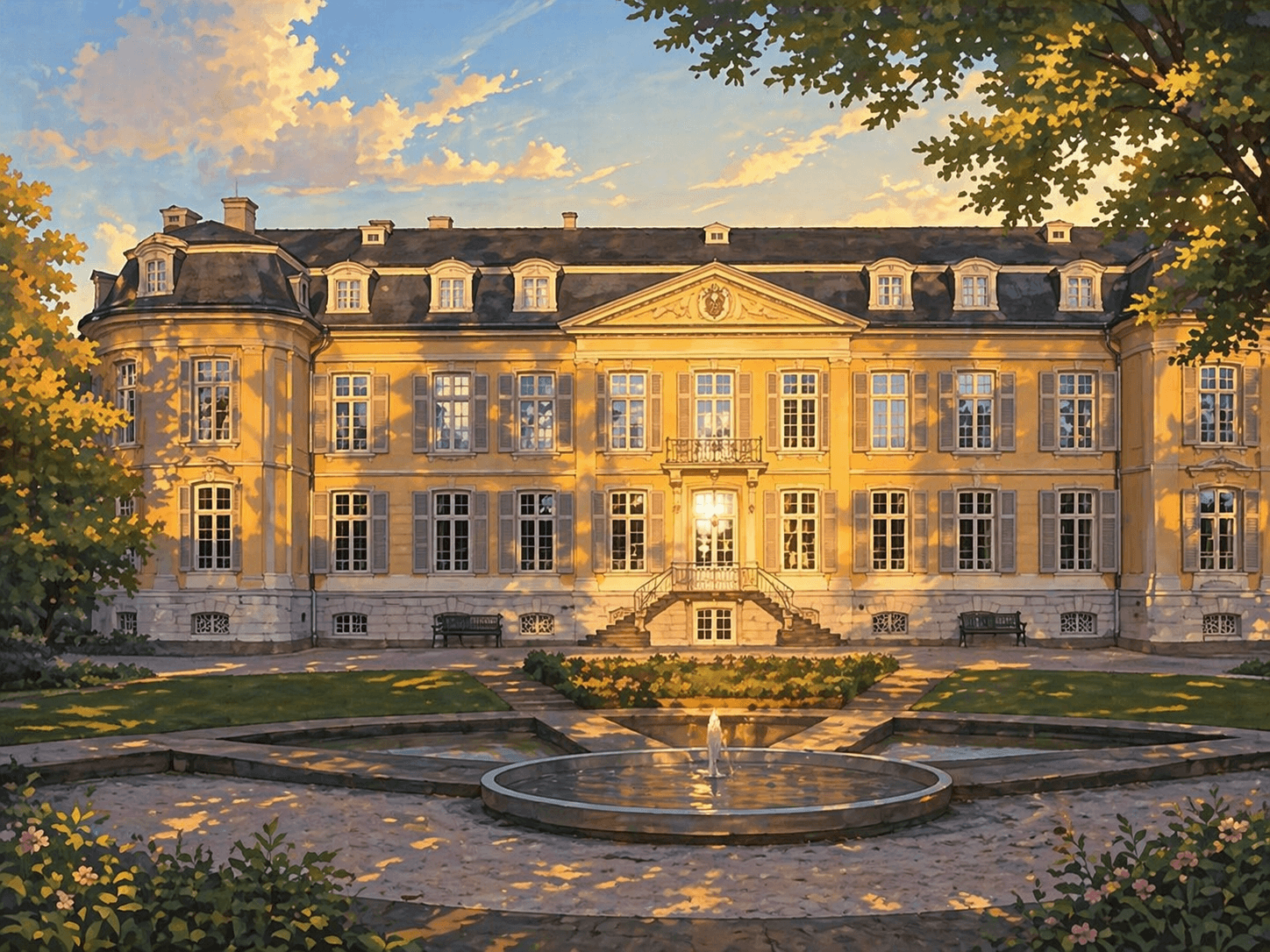
In February 2026, Leverkusen focused on the impacts of climate change and heat on public health. The Heat Action Plan and climate adaptation measures were intensively discussed – with a particular focus on vulnerable population groups.
Leverkusen in Focus: Heat, Climate Change, and Health
In 2026, climate change is no longer perceived as a distant threat but as an immediate challenge to public health. In Leverkusen, a city with over 260,000 residents, the effects of rising temperatures are already being felt – especially on the health of its population. In February 2026, the development and evaluation of the municipal Heat Action Plan (HAP) and long-term climate adaptation strategies were central topics of discussion.
Leverkusen has consciously chosen to treat health protection and climate protection as interconnected issues. The city follows an integrated approach that not only includes short-term measures in emergency situations but also long-term planning for the creation of climate-resilient districts.
Heat Action Plan – More Than a Crisis Tool
The municipal Heat Action Plan (HAP) is a central component of Leverkusen’s health strategy. It was developed following recommendations from the German Environment Agency (UBA) and the WHO, and is part of the city's Sustainability Strategy and Climate Adaptation Concept. The plan consists of eight core elements, which include protective measures for the population during heatwaves – from the heat warning system provided by the German Weather Service to information campaigns and coordination with health facilities.
A central goal of the HAP is the prevention of heat-related health risks, particularly during tropical nights, which are expected to increase significantly by 2100. The plan is evaluated annually, and the results are used to adjust the measures. The health departments coordinate implementation and work closely with multipliers such as doctors, care facilities, and welfare organizations.
Vulnerable Groups – Special Protection Needs
Not all population groups are equally affected by heat. In Leverkusen, 36,799 people are over 65 years old, including 13,024 aged 80 and above – a population group particularly at risk. Infants, chronically ill individuals, homeless people, migrants, substance users, and people with disabilities are also especially vulnerable to heat-related health problems.
These groups suffer particularly from cardiovascular strain, heat strokes, dehydration, psychological stress, and allergies. To protect them, Leverkusen has implemented targeted measures such as heat helplines, the distribution of bottled water to vulnerable groups, and protection measures in day-care centers, schools, and nursing homes. In addition, a working group has been established to coordinate heat protection measures for employers and employees.
Greening and Climate Protection – Long-Term Strategies
In addition to short-term measures, Leverkusen is focusing on long-term climate adaptation strategies to prepare the city for the future. In this context, greening, shading, and tree cover play a crucial role. Trees cool through evaporation and contribute to improving air quality and biodiversity. Pilot projects such as rainwater management and greening of roofs and façades are already in the planning phase.
The city has also developed a tree stock concept to ensure the preservation and expansion of the tree canopy. However, financial resources and a declining tree population are currently obstacles. The monitoring and evaluation strategy of the HAP will also include long-term measures to assess the effectiveness of greening projects.
Communication and Participation – Keys to Success
Another focus is communication and participation. Leverkusen relies on an information platform with heat protection tips, cool places, and refill stations. In addition, information is disseminated via social media, municipal advertising spaces, and Wupsi screens. Events such as the Leverkusen Health Days or the Day of the Health Department serve to raise public awareness and sensitize the population to climate protection.
The city also supports participation projects like „Local Climate Advocates“, to actively involve the population in climate adaptation. Heat protection is understood as a community task, where people look out for one another.
Conclusion: From Crisis Management to Resilience
Leverkusen demonstrates with its Heat Action Plan and the integration of health and climate protection how municipalities can prepare for climate change. The city combines prevention, participation, and long-term planning – not only as a response to heatwaves, but as an investment in a liveable future. The challenges are great, but the strategy is clear: health protection and climate resilience must go hand in hand.
NeoSearch analyses public council documents, committee minutes and municipal announcements. Source references appear automatically once verified meeting data is available.
What does this mean for businesses?
Municipal council decisions are early indicators: following the council agenda surfaces projects and tenders months before the official award — before they ever reach the procurement portals.
Track similar decisions in your region
Set up monitoring for Healthcare and Public Health in Nordrhein-Westfalen — prefilled from this article.
Set up monitoring →More signals from Leverkusen
Leverkusen Climate Check: Environmental Measures in April 2026
In April 2026, Leverkusen made a strong statement in environmental and climate policy: from rainwater management and education for sustainable development to mobility strategies and waste management. The focus was especially on preventive measures for climate resilience and long-term sustainability.
Read more → Leverkusen: Culture and Community in Focus – How the City Strengthens Its Cultural Identity in April 2026
In April 2026, Leverkusen has advanced a wide range of cultural, integrative, and sustainable projects. This blog article analyzes how the city strengthens its identity in the areas of culture and community through events, partnerships, and social initiatives, actively involving its population.
Read more → Sports Facility Development in Leverkusen 2026: Between Investment, Sustainability, and Usage
In Leverkusen, sports will be in the spotlight in April 2026 with a wide range of investment and renovation projects. The city is not only planning the construction of a new multi-use sports hall and energy-efficient renovations, but also the long-term optimization of its sports infrastructure. This in-depth blog highlights the most important developments, background information, and challenges.
Read more →