Leverkusen in Focus: Governance and Administration in February 2026
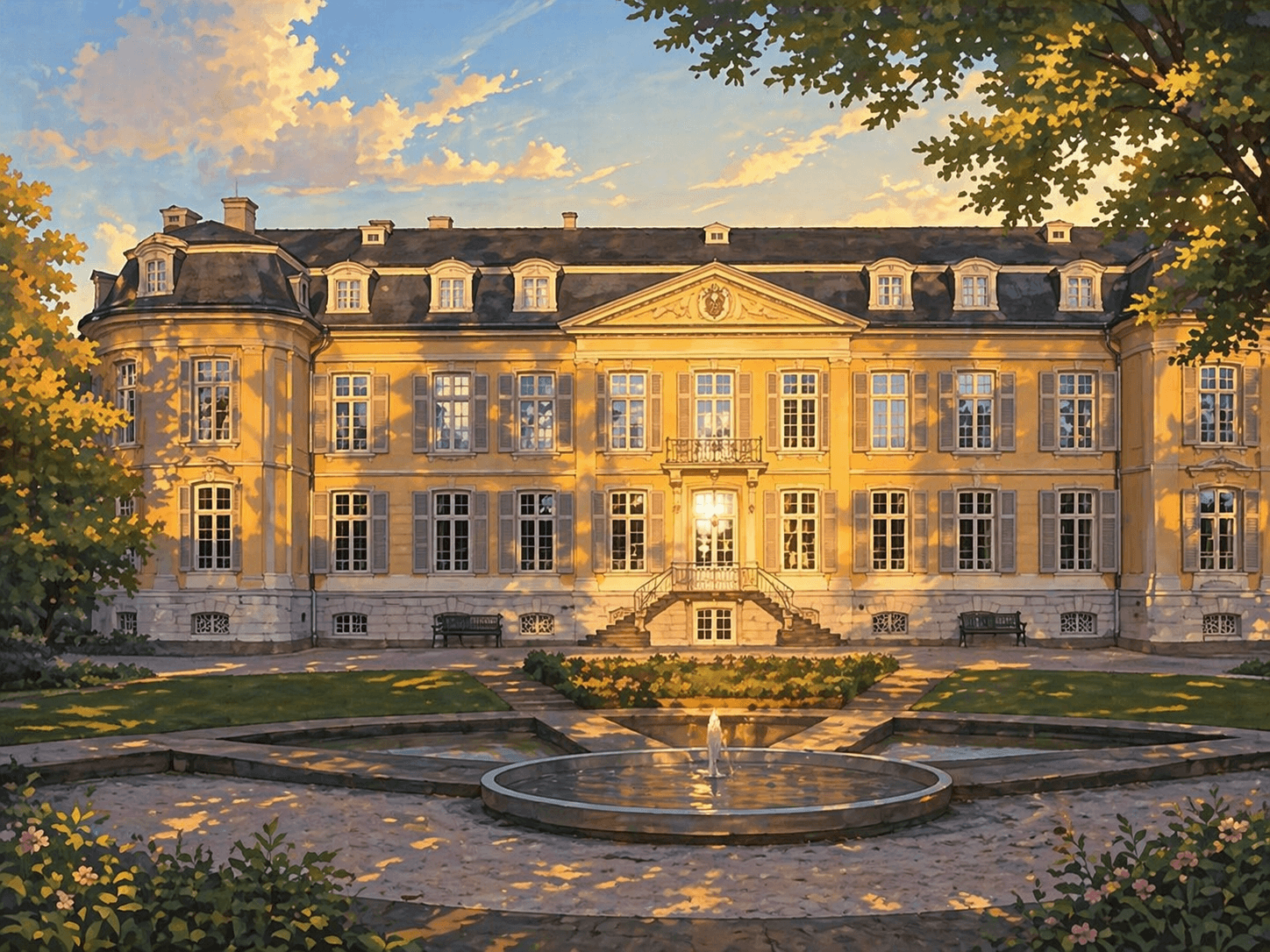
In February 2026, Leverkusen addressed key issues of governance and administration – from structural reforms to the fight against the Asian Hornet. An overview of decisions, background, and impacts.
Leverkusen in Focus: Governance and Administration in February 2026
The city of Leverkusen dealt intensively with structural and administrative challenges in February 2026. With the reform of the administrative structure, the fight against the Asian Hornet, and the discussion on the future of refugee accommodations, several central topics of governance and administration were at the center. These decisions show how the city is responding to changed societal and economic conditions while also aiming to make its administration more efficient.
Structural Administrative Reform – Trial Period to Reduce Deputy Mayor Positions
In February 2026, a one-year trial period was decided on to reduce the number of deputy mayor positions. The goal is to reduce the number of deputies from the current five to four in order to achieve greater efficiency and synergy effects within the administration. The trial period began on March 1, 2026, and will be closely monitored. A decision on whether to permanently implement the reform will be made after its completion. This measure is part of a broader reform process aimed at a leaner and more transparent administration without compromising the city's capacity to act.
In addition, the city's main bylaws were adjusted to allow for the future flexible expansion back to four deputy mayor positions. This adjustment was unanimously approved by the Council and is part of the city’s long-term governance strategy.
Combating the Asian Hornet – A Municipal Model Project
The CDU faction submitted a motion in November 2025 on combating the Asian Hornet, which moved through several committees in February 2026. The goal is to deploy the city's pest control authority to actively remove nests while simultaneously informing the public via social media and the press.
The administration provided relevant data and background: in 2025, 30 inquiries were processed, and eight nests were removed. The costs per nest range between 300 and 700 euros. Although there is no uniform state-wide strategy, Leverkusen is sending a positive signal with this initiative. The costs are to be covered from multiple funding sources – the city, state, federal government, and EU.
Refugee Policy and Housing Planning: Challenges and Solutions
In the area of refugee policy, the focus was on the planning to discontinue the accommodation at Olof-Palme-Straße 15. With a decreasing number of assigned refugees, it was decided to let the lease agreement expire by May 2026. A temporary winter aid with ten places is planned until April 2026.
At the same time, the administration is working on revising the concept for accommodating refugees, which is to be presented in the first quarter of 2026. In this context, the renovation of the refugee accommodation in Leverkusen-Opladen was also decided to address the need for high-quality housing.
Governance in Detail – Staffing, Digitization, and Communication
In the personnel area, decisions were made regarding the release of positions and the dismissal of the city treasurer. In addition, a new controlling concept was implemented, which includes semi-annual reports and quality discussions. This is a step toward improving internal management and increasing transparency.
There were also developments in the area of digitization: the inter-factional working group on digitization was dissolved, and instead, it was decided to report on digitization at least twice a year in the Main and Personnel Committee. In addition, an information event for politicians was planned on the so-called “Construction Accelerator,” which is intended to speed up construction projects.
Outlook: Governance as the Key to Future-Oriented Urban Development
Leverkusen is moving into a phase of intensive governance development in 2026. The reforms of the administrative structure, the active fight against pests such as the Asian Hornet, and the adaptation of refugee policy show how the city is responding to current challenges while securing its future viability.
The decisions of February 2026 are not only an expression of pragmatic politics but also an indicator of Leverkusen’s strategic orientation as a modern, citizen-friendly, and efficient municipality. With these measures, the city is sending an important signal for building trust, transparency, and citizen-oriented action.
NeoSearch analyses public council documents, committee minutes and municipal announcements. Source references appear automatically once verified meeting data is available.
What does this mean for businesses?
Town halls, fire stations, depots and administrative buildings create early construction and refurbishment opportunities. Following council agendas reveals projects before they go to tender.
Track similar decisions in your region
Set up monitoring for public buildings & administration in Nordrhein-Westfalen — prefilled from this article.
Set up monitoring →More signals from Leverkusen
Leverkusen Climate Check: Environmental Measures in April 2026
In April 2026, Leverkusen made a strong statement in environmental and climate policy: from rainwater management and education for sustainable development to mobility strategies and waste management. The focus was especially on preventive measures for climate resilience and long-term sustainability.
Read more → Leverkusen: Culture and Community in Focus – How the City Strengthens Its Cultural Identity in April 2026
In April 2026, Leverkusen has advanced a wide range of cultural, integrative, and sustainable projects. This blog article analyzes how the city strengthens its identity in the areas of culture and community through events, partnerships, and social initiatives, actively involving its population.
Read more → Sports Facility Development in Leverkusen 2026: Between Investment, Sustainability, and Usage
In Leverkusen, sports will be in the spotlight in April 2026 with a wide range of investment and renovation projects. The city is not only planning the construction of a new multi-use sports hall and energy-efficient renovations, but also the long-term optimization of its sports infrastructure. This in-depth blog highlights the most important developments, background information, and challenges.
Read more →