April 2026: Sustainability, Mobility, and Education in Leverkusen
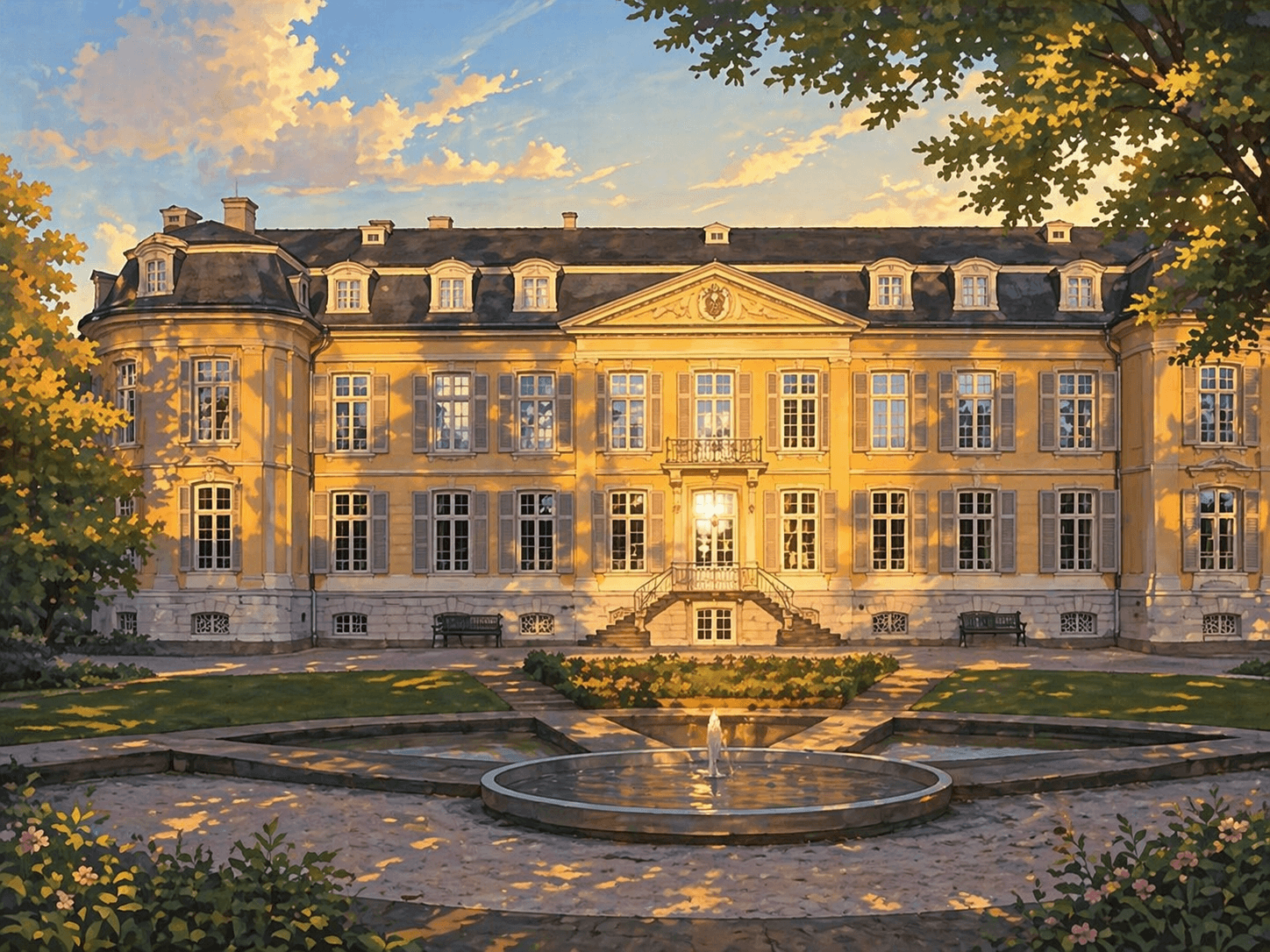
In April 2026, Leverkusen focused on decisions regarding the BNE concept, transportation policy, neighborhood renewal, and the sustainability strategy. Here’s a monthly review.
Thinking About Tomorrow – Acting Today
What Was Important This Month
- BNE Concept Anchors Sustainability in Education: Leverkusen is promoting education for sustainable development (BNE), with a network of five working groups and a central knowledge hub.
- Taxi Lanes on Bus Lanes – Pilot Phase Begins: A pilot project is to determine whether taxis may use bus lanes without endangering public transport.
- 2025 Sustainability Report Recognized: Leverkusen successfully completed the process stage of the Sustainable Community Reporting Framework (BNK).
- Neighborhood Renewal in Rheindorf Approved: 320 new housing units are to be built, with 160 designated for social housing.
- Fireworks-Free Zones for New Year 2026/27: The Municipal Order Service is examining whether zones for early fireworks can be excluded.
- Electric Charging Station on Mittelstraße Deactivated: Due to the lack of heritage approval, the charging station has been temporarily deactivated.
Education for Sustainable Development: A Guiding Vision for Leverkusen
The city of Leverkusen has set a milestone with its BNE concept (Bildung für nachhaltige Entwicklung). The concept anchors sustainable development throughout the entire educational chain – from kindergartens to adult education. In total, five working groups of the BNE network are working on implementation, coordinated by the Municipal Education Office.
A central element is the vision "Thinking About Tomorrow, Acting Today," which defines seven sustainability elements. The goal is to give the topics of climate protection, social justice, and global responsibility a permanent place in the educational landscape. The city received the award "Global Sustainable Community North Rhine-Westphalia" in 2021 and actively supports the Agenda 2030.
Mobility and Safety: Pilot Projects and New Regulations
In April, several traffic-related issues were decided that influence the daily lives of Leverkusen residents. The Volt/BÜRGERLISTE LEVERKUSEN faction requested that taxis be allowed to use bus lanes. A six-month trial is to determine whether this would not endanger public transport and whether road safety remains guaranteed. If the results are positive, the regulation could be adopted permanently.
In addition, the SPD advocated for fireworks-free zones for New Year 2026/2027. The Municipal Order Service is to fully utilize fines and monitor the zones. These measures aim at increased safety and reduced noise pollution.
Neighborhood Development and Urban Planning
The neighborhood renewal in Leverkusen-Rheindorf marks another step in urban development. 140 housing units will be demolished to make room for 320 new residential units. Of these, 160 units will be designated as social housing. The Leverkusen City Utilities (WGL) are supporting affected residents with individual assistance, and the project was widely approved in the district committee.
Another topic was the repeal of the zoning plan 25/77/III, as the higher administrative court identified legal deficiencies. A new planning process is now necessary to clarify legal issues. In addition, the 30 km/h speed limit in Langenfelder Straße was lifted after the Department of Mobility and Climate Protection raised concerns. Instead, a crossing aid is planned at the intersection with Bernsteinstraße.
Sustainability and Climate Protection: From Sponge City Principle to Rainwater
In the committees, several measures to strengthen climate resilience were decided. The Citizens’ and Environmental Committee approved the adjustment of the rainwater disposal fee and promotes infiltration-enhancing measures such as green roofs and rainwater barrels. In addition, the parking obligation in the building code is being revised to minimize sealed areas and promote compensatory measures.
The city is also relying on innovative technologies such as aerial image analysis and AI support to better identify sealed areas. The introduction of the yellow value waste bin instead of sacks is another step toward reducing environmental burdens.
Broader Developments: Sustainability as a Guiding Principle
The decisions of April show that sustainability in Leverkusen is no longer just a buzzword, but is embedded as a guiding principle in various action areas. Whether in education, mobility, or neighborhood development, the city is relying on long-term planning and citizen engagement.
A central point remains the implementation of the sustainability strategy, which focuses on five action areas – climate protection, social justice, global responsibility, housing, and sustainable neighborhoods. The administration is working closely with stakeholders, NGOs, and science to advance the SDGs.
Conclusion and Outlook
April 2026 in Leverkusen was marked by clear decisions and new impulses in the areas of education, mobility, neighborhood development, and climate protection. The city is focusing on sustainability, innovation, and citizen participation – topics that will remain central in the coming months.
In May, further decisions are expected at the town hall, including the final discussion of the sustainability report and the decision on the increase of the entertainment tax. In addition, further reports on neighborhood renewal and the traffic situation are expected.
Leverkusen is moving toward a sustainable, livable, and future-oriented urban model – and April shows that the path is already underway.
NeoSearch analyses public council documents, committee minutes and municipal announcements. Source references appear automatically once verified meeting data is available.
What does this mean for businesses?
Schools, daycare centres and public buildings create early planning and construction opportunities. Following council agendas surfaces tenders for refurbishment, new builds and fit-out months before the official award — from shell construction to specialist planning to furnishing.
Track similar decisions in your region
Set up monitoring for education & public facilities in Nordrhein-Westfalen — prefilled from this article.
Set up monitoring →More signals from Leverkusen
Leverkusen Climate Check: Environmental Measures in April 2026
In April 2026, Leverkusen made a strong statement in environmental and climate policy: from rainwater management and education for sustainable development to mobility strategies and waste management. The focus was especially on preventive measures for climate resilience and long-term sustainability.
Read more → Leverkusen: Culture and Community in Focus – How the City Strengthens Its Cultural Identity in April 2026
In April 2026, Leverkusen has advanced a wide range of cultural, integrative, and sustainable projects. This blog article analyzes how the city strengthens its identity in the areas of culture and community through events, partnerships, and social initiatives, actively involving its population.
Read more → Sports Facility Development in Leverkusen 2026: Between Investment, Sustainability, and Usage
In Leverkusen, sports will be in the spotlight in April 2026 with a wide range of investment and renovation projects. The city is not only planning the construction of a new multi-use sports hall and energy-efficient renovations, but also the long-term optimization of its sports infrastructure. This in-depth blog highlights the most important developments, background information, and challenges.
Read more →