Economic Development in Gelsenkirchen: Challenges and Investments in 2026
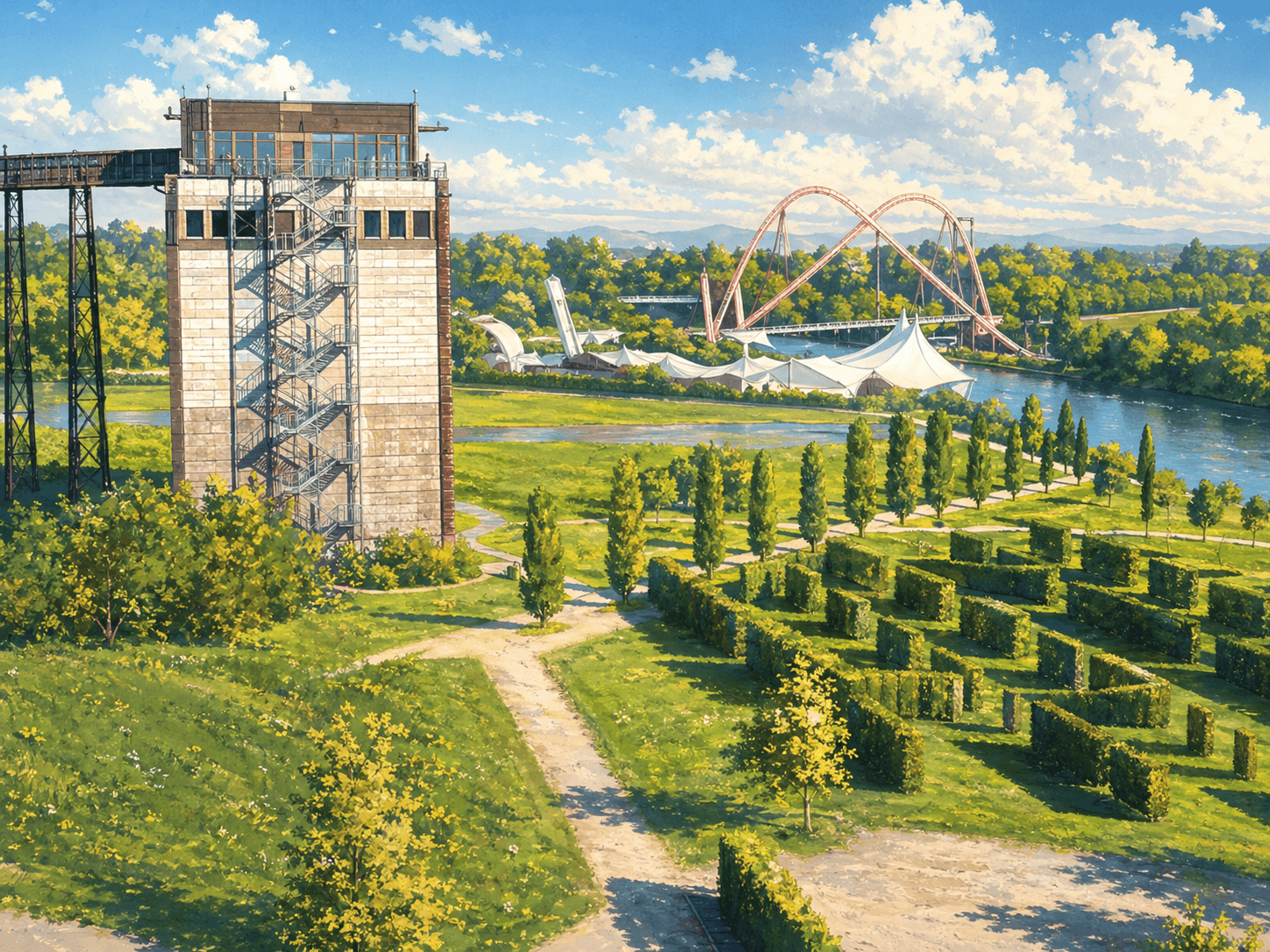
In 2026, Gelsenkirchen faces a wide range of challenges and opportunities in terms of economic development. The budget is strained, with investments in education, infrastructure, and climate protection being central. This article analyzes the key topics and decisions the city has made in recent weeks.
Budget 2026: A Delicate Balance
The 2026 budget reflects Gelsenkirchen's economic situation, characterized by a deficit of around 35 million euros. Although the city plans a significant reduction in the deficit to less than one million euros by 2029, the financial situation remains tense. Real estate tax revenues are losing strength compared to rising transfer expenditures, thus limiting the city's financial independence.
Another key topic is the landscape charge, which is expected to rise to approximately 164 million euros by 2029. This increase directly affects municipal financial planning and requires careful budgeting. Gelsenkirchen must also manage rising costs in public transport (ÖPNV), with expected subsidy needs of 18.3 to 31 billion euros by 2031. Funding such projects remains politically contentious and will play a central role in the coming years.
Economic Promotion: Investments in Education and Innovation
Economic promotion is a strategic goal for the city, with investments in education and innovation being key. The Education and Innovation Campus Gelsenkirchen (approx. 32,500 m² gross) is a project with long-term growth potential. The GE-GmbH is responsible for the planning steps of the building permit, and the city is relying on feasibility studies within the framework of the 5-Sites Program, funded by the Investment Law for the Coal Regions.
Another central element is the IGA 2027, which will include investments in open space and urban development. The IGA offers Gelsenkirchen not only tourism opportunities but also the chance to upgrade its infrastructure and ecology. The investments aim to increase the city's attractiveness while advancing sustainable development.
Labor Market and Economy: Tension Between Opportunities and Risks
Gelsenkirchen is still in a challenging position on the labor market, with a top position in the unemployment rate. At the same time, the city benefits from increasing public spending, which is expected to have positive effects on municipal tax revenues. The economy in North Rhine-Westphalia is stagnating with a business climate indicator of 99.7 points (autumn 2025), thus slowing down the region's overall economic dynamics.
This tension between unemployment and growing public financial power requires targeted measures. The city is investing in training and further education to stabilize the labor market and attract qualified workers. The Startchancen Program is a key component here, promoting innovations in over 900 schools.
Climate and Sustainability: Investments in the Future
Climate change and the need to advance sustainable development are firmly integrated into the urban planning of Gelsenkirchen. Investments in photovoltaic systems on municipal properties, the installation of charging stations for electric vehicles, and the renovation of the transformer station at Daimlerstr. 18 show that Gelsenkirchen is actively shaping the transition to a climate-friendly city.
The IGA 2027 will also serve as a platform for sustainable open space planning and climate protection. Investments in the Green City Plan, including mobile stations and multimodal mobility, are part of a long-term strategy to transform Gelsenkirchen into a green and livable city.
Conclusion: A City in Transition
In 2026, Gelsenkirchen faces a wide range of challenges, but also opportunities. The budget is strained, and investments in education, infrastructure, and climate protection are necessary. The city is relying on innovation, partnerships, and sustainability to secure its economic future. The coming years will be decisive in maintaining the balance between economic stability and social responsibility.
NeoSearch analyses public council documents, committee minutes and municipal announcements. Source references appear automatically once verified meeting data is available.
What does this mean for businesses?
Urban development, zoning plans and commercial settlements create early construction and supply opportunities. Following council decisions reveals projects before they go to tender.
Track similar decisions in your region
Set up monitoring for economic development in Nordrhein-Westfalen — prefilled from this article.
Set up monitoring →More signals from Gelsenkirchen
Health Policy in Gelsenkirchen: Between Prevention, Safety, and Care Needs
In April 2026, important decisions on health policy were in focus in Gelsenkirchen. From violence prevention in emergency services to mental health care and care planning – the city is relying on cooperation, innovation, and prevention.
Read more → Gelsenkirchen's Mobility Transformation: From School Traffic to the IGA 2027
In April 2026, Gelsenkirchen focused intensively on traffic policy topics – from the parent taxi service to the major construction projects for the IGA 2027. This blog analyzes the most important developments and background information.
Read more → Gelsenkirchen: Legal Challenges and Political Tensions in April 2026
In April 2026, Gelsenkirchen was at the center of numerous legal and political issues, ranging from public order policy to elections and social problems. This blog analyzes the key decisions and discussions in the field of Policy and Legal Matters.
Read more →