Mobility in Gelsenkirchen: Focus on Traffic Safety, Energy Efficiency, and Barrier-Free Infrastructure
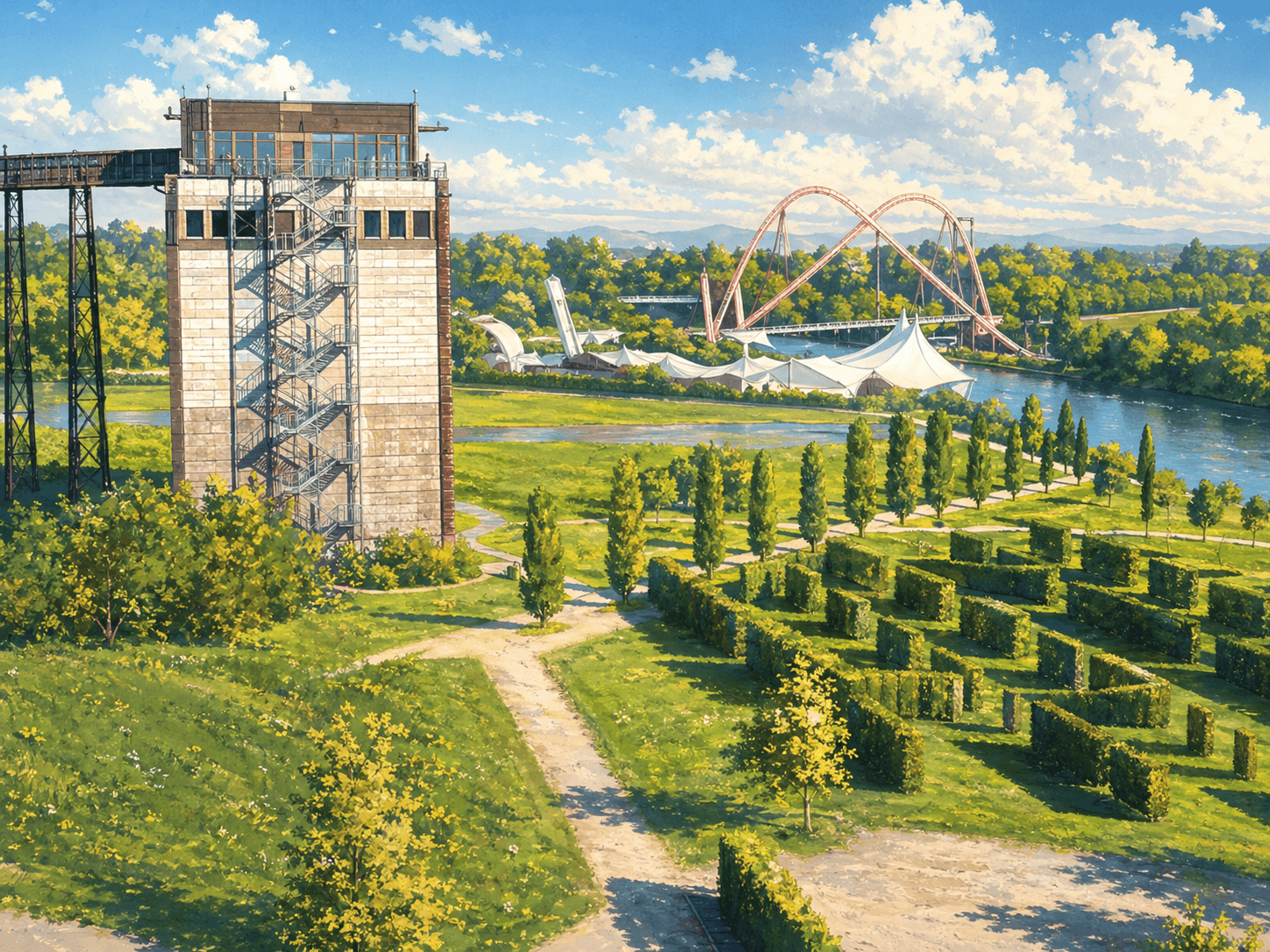
In February 2026, significant changes in the field of transport and mobility were at the forefront in Gelsenkirchen-South. From the introduction of a permanent bike zone to the renovation of railway crossings – the district committee is working toward a sustainable, barrier-free, and energy-efficient transport system.
Mobility in Gelsenkirchen: How is the city becoming more mobile?
The mobility situation in Gelsenkirchen has increasingly come into focus in recent years of local political work. In February 2026, the district committee of Gelsenkirchen-South set new impulses with several decisions and initiatives. The debates and decisions show how the city is addressing the challenges of climate change, increasing traffic load, and an aging population.
Permanent Bike Zone and Emscher Renovation: Redefining Mobility
A central point of the meeting was the introduction of a permanent bike zone in the creative quarter of Ückendorf. After a successful trial period, the decision was unanimously adopted. The bike zone between Bochumer Straße and Ückendorfer Straße aims to make cycling more attractive and reduce car traffic – a step toward climate-friendly mobility.
In addition, Gelsenkirchen continues to focus on the Emscher Renovation, which in 2026 is concentrating more on ecological improvements and the redesign of Emscher tributaries. The renovation of the water bodies is not only an ecological project but also a contribution to the creation of attractive, continuously usable transportation and open space axes.
Street Lighting and Energy Efficiency: Light in the Dark
Another focus was on the modernization of street lighting. In the Bochumer Straße, it was decided to retrofit the lighting to LED technology. With a budget of 260,000 euros and an energy saving of 22%, the project is a milestone on the path to a climate-neutral city. The measure is to be implemented in the second half of 2026. At the same time, a renovation was also decided in the Florastraße, which is expected to save 25% in energy.
These investments show how Gelsenkirchen is actively working in the area of energy efficiency. By reducing electricity consumption in public spaces, the city not only contributes to its climate balance but also to the stability of the municipal budget.
Accessibility and Traffic Safety: For All Users
The debate about barrier-free bus stops and safety in public spaces was particularly intense. In Gelsenkirchen-South, only half of the bus stops are currently barrier-free. The district committee was asked to create a concrete timetable for achieving a quota of 90 to 100%. A particularly criticized point was the U-Bahn Rheinelbestraße station, where a traffic light pole was obstructing access for wheelchair users.
In the area of traffic safety, measures were also decided. Seven zebra crossings were installed in the Zeppelinallee to increase pedestrian safety. In addition, the Windhukstraße was declared a one-way street to reduce dangerous situations due to the narrow street layout.
Future of Mobility: Challenges and Opportunities
The decisions from the district committee meeting show that Gelsenkirchen is actively working on the development of sustainable, barrier-free, and climate-friendly mobility. However, the challenges remain large: The renovation of railway crossings, the assessment of construction measures at sensitive locations, and the assurance of local supply through new mobility concepts require further planning and investments.
In 2026, it will be crucial whether the approved projects are implemented on time and effectively. Gelsenkirchen will also have to continue dealing with issues such as noise pollution, illegal loading activities, and a lack of clarity in building law.
Outlook: Mobility as a Central Component of Urban Development
Mobility policy in Gelsenkirchen is not an isolated project – it is an integral part of urban development. By combining infrastructure measures, energy efficiency, accessibility, and public participation, a mobility concept is emerging that is accessible and safe for all population groups.
The coming months will show how successful the implementation of the approved measures is – and what new debates and challenges await the city.
NeoSearch analyses public council documents, committee minutes and municipal announcements. Source references appear automatically once verified meeting data is available.
What does this mean for businesses?
Town halls, fire stations, depots and administrative buildings create early construction and refurbishment opportunities. Following council agendas reveals projects before they go to tender.
Track similar decisions in your region
Set up monitoring for public buildings & administration in Nordrhein-Westfalen — prefilled from this article.
Set up monitoring →More signals from Gelsenkirchen
Health Policy in Gelsenkirchen: Between Prevention, Safety, and Care Needs
In April 2026, important decisions on health policy were in focus in Gelsenkirchen. From violence prevention in emergency services to mental health care and care planning – the city is relying on cooperation, innovation, and prevention.
Read more → Gelsenkirchen's Mobility Transformation: From School Traffic to the IGA 2027
In April 2026, Gelsenkirchen focused intensively on traffic policy topics – from the parent taxi service to the major construction projects for the IGA 2027. This blog analyzes the most important developments and background information.
Read more → Gelsenkirchen: Legal Challenges and Political Tensions in April 2026
In April 2026, Gelsenkirchen was at the center of numerous legal and political issues, ranging from public order policy to elections and social problems. This blog analyzes the key decisions and discussions in the field of Policy and Legal Matters.
Read more →