Gelsenkirchen Invests in Strategic Parking Management and Energy-Efficient Infrastructure
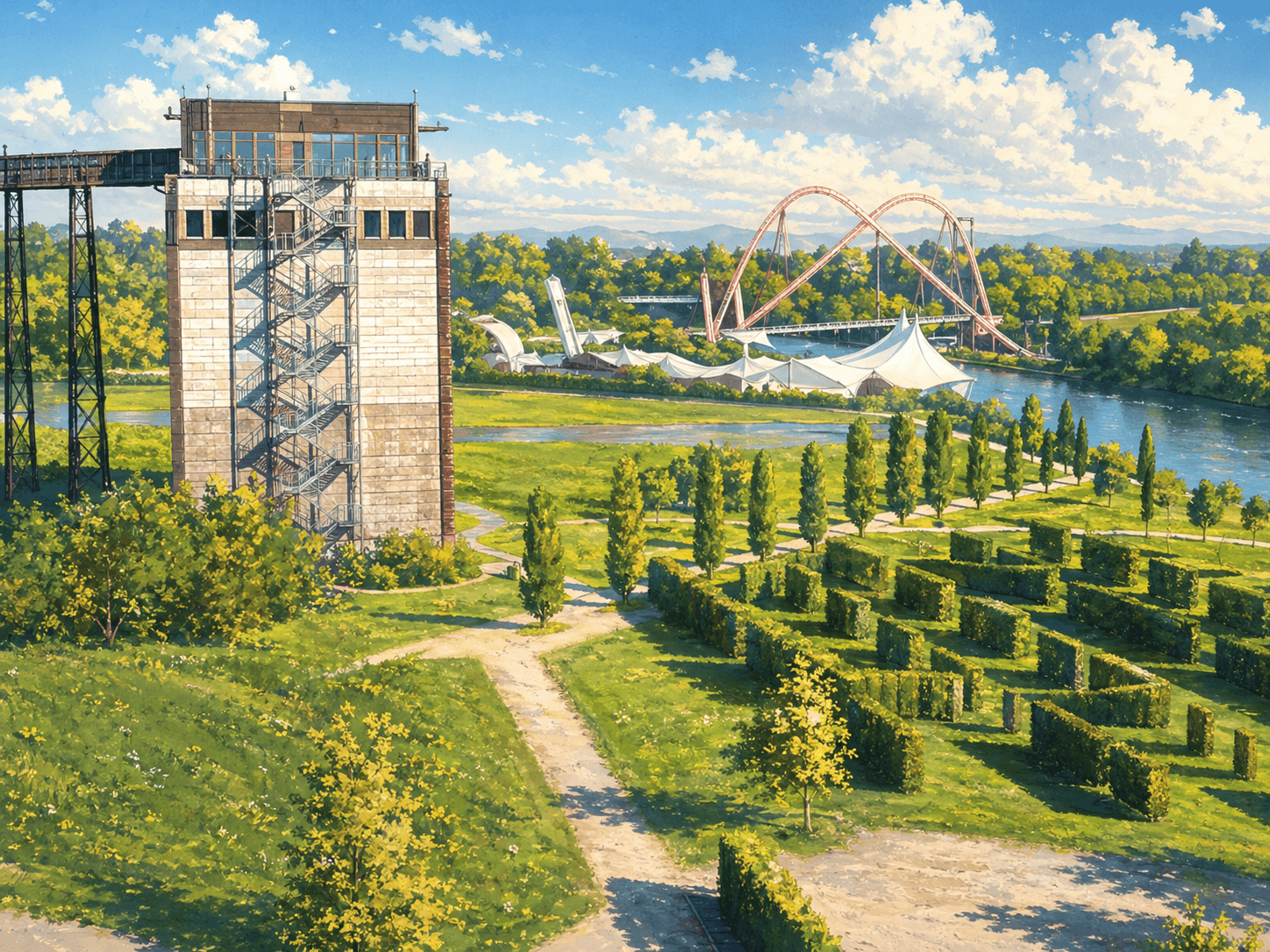
In March 2026, Gelsenkirchen's Committee for Transport and Mobility Development set key directions for future transport policy. With a strategic parking concept for 2030, energy-efficient lighting systems, and comprehensive maintenance measures, the city is demonstrating how it is addressing the challenges of mobility and sustainability.
Gelsenkirchen in Focus: Parking Management and Road Safety in Transition
In March 2026, the city of Gelsenkirchen took a decisive step toward sustainable mobility and improved parking management. The Committee for Transport and Mobility Development discussed in depth new concepts, infrastructure measures, and the involvement of citizens in the planning process. Topics ranged from strategic parking concepts to energy-efficient lighting systems and safety measures at railway crossings.
Parking Management 2030: Strategy Over Reactive Measures
With a strategic parking concept for 2030, Gelsenkirchen aims to reduce parking pressure in the city while simultaneously making public space more attractive. The goal is to expand areas for pedestrians and cyclists and to strengthen local public transport. The administration has already developed a parking management concept that is expected to be finalized by summer 2026.
The discussion around the concept highlighted that Gelsenkirchen cannot simply adopt models from other cities. While Dortmund, for example, follows a Mobility Masterplan 2030, the conditions in Gelsenkirchen must be considered individually. The city is focusing on a neighborhood-based approach that also includes the surrounding areas.
A central aspect of the strategy is communication. The city wants to raise citizens' awareness, enforce illegal parking, and at the same time promote alternative forms of mobility. A coordination office is planned to connect various departments and offices. In addition, online participation will be enabled to actively involve the local community in the planning process.
Energy-Efficient Lighting: Investments for the Future
Another focus of the committee meeting was the renovation and replacement of street lighting. In several districts, including the Bochumer Straße, the Florastraße, and the area around the Arena, old lighting systems will be replaced with energy-efficient LED solutions. These measures are part of the city's climate protection strategy and help reduce energy consumption and CO₂ emissions.
The costs for the replacement of street lighting range from 100,000 to 260,000 euros, with the investments covered within the 2026 budget. The new systems meet the DIN EN 13201 standard and offer energy savings of up to 45 percent. In addition, they require less maintenance and are less prone to damage.
Maintenance and Safety: Bridges and Railway Crossings Checked
In addition to lighting, maintenance measures were also in focus. The "Emscher-Ost" and "Berliner Bridge" will be renovated in 2026 to ensure traffic safety. In addition, a traffic inspection was carried out at several railway crossings, revealing safety deficiencies. For example, traffic lights need to be renewed, barrier dents repaired, and stop lines repainted.
The renovation of the Berliner Bridge alone will cost 850,000 euros and will be financed from a maintenance reserve. Traffic disruptions can be expected during construction, but the city is working on careful planning to minimize the impact on citizens' daily lives.
Parking at the Hospital: Renovation and Alternative Solutions
Another topic was the renovation of the parking garage at the Evangelical Hospital Gelsenkirchen. Here, damaged metal parts and the road surface coating will be renewed. Since the parking garage will be renovated in several construction phases, additional parking spaces for staff will be created on other properties. However, an alternative solution for residents with parking permits was rejected, as it would only shift parking pressure.
Parking regulations in the hospital area will continue to be monitored by the traffic control service to enforce illegal parking and ensure safety.
Conclusion: Gelsenkirchen is Building on Sustainability and Citizen Participation
The March session of the Committee for Transport and Mobility Development shows that Gelsenkirchen is taking active steps on multiple levels: from the development of a strategic parking concept to energy-efficient lighting systems and safety measures. Particularly noteworthy is the inclusion of citizens in the planning process, which is crucial for a sustainable and accepted transport policy.
The city has set clear priorities: sustainability, safety, and participation. With these measures, Gelsenkirchen is well prepared to meet the challenges of the future—and perhaps even to become a model for other municipalities.
NeoSearch analyses public council documents, committee minutes and municipal announcements. Source references appear automatically once verified meeting data is available.
What does this mean for businesses?
Municipal council decisions are early indicators: following the council agenda surfaces projects and tenders months before the official award — before they ever reach the procurement portals.
Track similar decisions in your region
Set up monitoring for kommunale Projekte in Nordrhein-Westfalen — prefilled from this article.
Set up monitoring →More signals from Gelsenkirchen
Health Policy in Gelsenkirchen: Between Prevention, Safety, and Care Needs
In April 2026, important decisions on health policy were in focus in Gelsenkirchen. From violence prevention in emergency services to mental health care and care planning – the city is relying on cooperation, innovation, and prevention.
Read more → Gelsenkirchen's Mobility Transformation: From School Traffic to the IGA 2027
In April 2026, Gelsenkirchen focused intensively on traffic policy topics – from the parent taxi service to the major construction projects for the IGA 2027. This blog analyzes the most important developments and background information.
Read more → Gelsenkirchen: Legal Challenges and Political Tensions in April 2026
In April 2026, Gelsenkirchen was at the center of numerous legal and political issues, ranging from public order policy to elections and social problems. This blog analyzes the key decisions and discussions in the field of Policy and Legal Matters.
Read more →