Urban Development in Düsseldorf: Focus on Construction Projects, Culture and Traffic Planning in February 2026
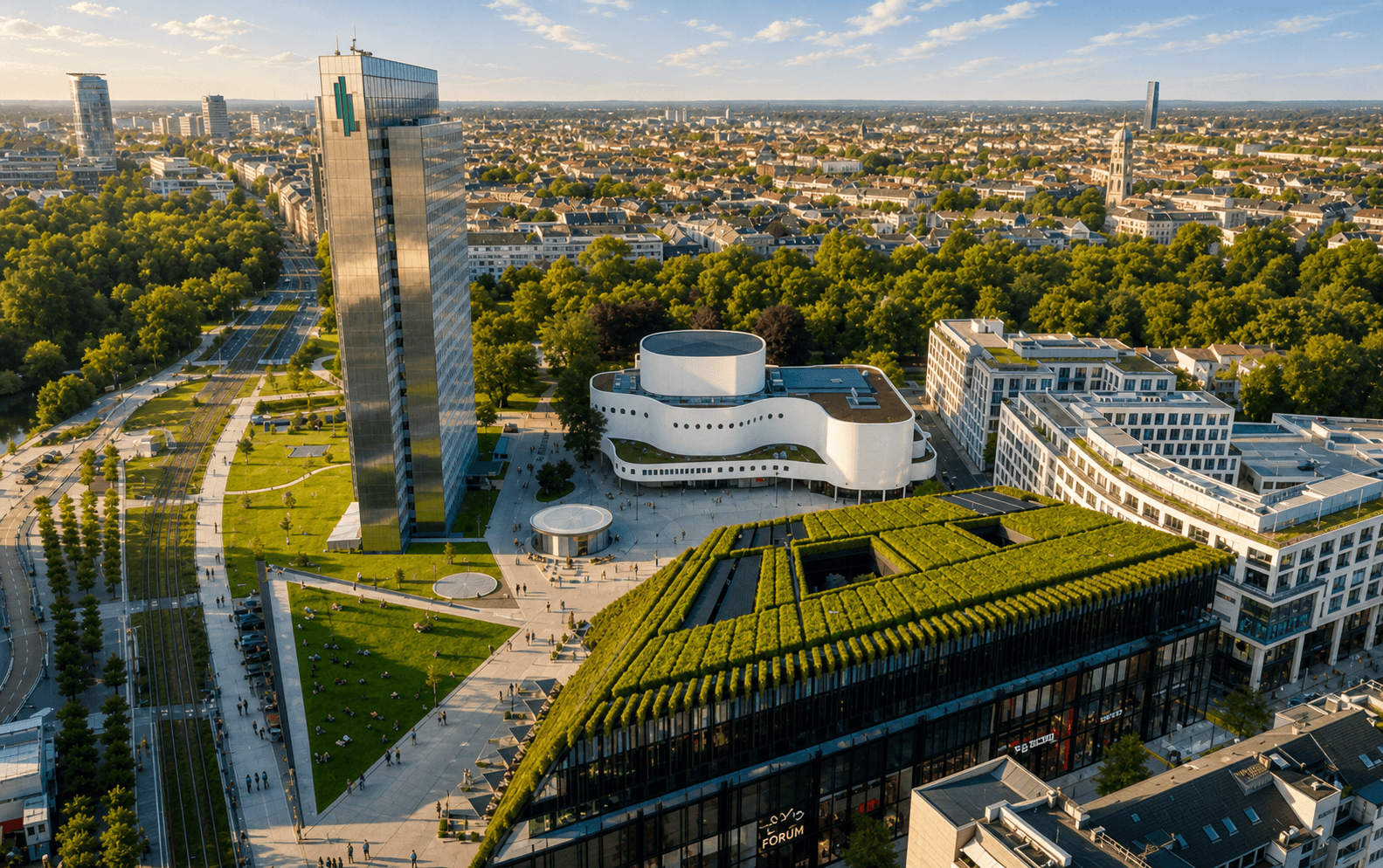
In February 2026, Düsseldorf saw numerous decisions in the field of urban development come to the forefront. From the construction of single-family homes and the cultural use of historical buildings to the optimization of the traffic network, a broad range of measures is emerging that will shape the future of the metropolis.
Urban Development in Düsseldorf: Construction Projects, Culture and Traffic Planning
Urban development is a central element for the future viability of the city of Düsseldorf. In February 2026, several decisions were made that touch on infrastructural, cultural and ecological aspects. The district committee 5 and other committees dealt with topics such as housing promotion, the cultural use of historical buildings and traffic planning.
Housing Promotion and Urban Construction Projects
Düsseldorf continues to focus on the creation of affordable housing, particularly in the outer districts. In the district of Kaiserswerth, a preliminary draft zoning plan for the area "South of Zeppenheimer Weg" was presented, which plans for the development of more than 30,000 m² of living space. 70% of the planned buildings are multi-family housing and 30% are single-family homes. Particular mention should be made of the integration of green spaces, which are intended to contribute to the improvement of the microclimate.
In addition, several construction applications were approved, including the construction of semi-detached houses and single-family homes in Unterdorfstraße. The planned buildings are in height and floor area in line with the surrounding development and thus contribute to urban architectural harmony. The construction application for Niederrheinstraße 21, 21a, which provides for a residential development with a basement garage, was also positively discussed.
Cultural Use and Monument Protection
Another highlight was the further development of the pumping station in Kaiserswerth. The CDU and SPD factions of district committee 5 have advocated for the transformation of the historic building into a cultural event venue. The planned use is for folk traditions, culture and weddings, with the rooms being accessible in a low-threshold manner. The city sees this project as a city-wide relevant initiative and is willing to contribute its own share to the financing.
In the use of courtyard areas with historical value, monument protection aspects are also taken into account. Thus, a building application for Lohauser Dorfstraße 53 was approved, in which a courtyard area is being converted. Although changes in use are made, the structural substance is largely preserved and public interests are not affected.
Traffic Planning and Safety
In traffic planning, safety aspects were in the foreground in February 2026. A proposal for traffic safety at the corner of Am Hain / Access Road Danziger Straße (B8) was dealt with. The administration was commissioned to examine measures to secure the pedestrian crossing, as accident risks occurred due to the speed and inconsiderate behavior of road users.
Another traffic sign (272 "Prohibition of turning") was reinstalled on Danziger Straße after it had been temporarily removed following an accident. The new traffic light system requires an adjustment of the traffic signs to ensure safety.
Conclusion: Düsseldorf as a lively, future-ready city
The decisions in February 2026 show that Düsseldorf is actively shaping its future. With a focus on housing promotion, the cultural use of historical buildings and a safe traffic planning, the city is creating the prerequisites for a lively and sustainable development. The district committees and the administration show a high degree of commitment and sensitivity to the needs of the citizens.
NeoSearch analyses public council documents, committee minutes and municipal announcements. Source references appear automatically once verified meeting data is available.
What does this mean for businesses?
Municipal council decisions are early indicators: following the council agenda surfaces projects and tenders months before the official award — before they ever reach the procurement portals.
Track similar decisions in your region
Set up monitoring for kommunale Projekte in Nordrhein-Westfalen — prefilled from this article.
Set up monitoring →More signals from Duesseldorf
Educational Policy in Düsseldorf: Safety, Capacity, and Innovation in Focus
In April 2026, educational policy in Düsseldorf focused on safety issues, capacity expansion at special needs schools, and innovative projects to prevent school avoidance. The School Committee addressed central challenges and reform approaches that will shape the future of the educational system in the state capital.
Read more → Youth Policy in Düsseldorf: Focus on Psychosocial Support, Democracy, and Poverty Reduction in April 2026
In April 2026, Düsseldorf has taken several key steps in youth policy. From psychosocial support for young people to the implementation of democracy projects and the fight against child poverty: The Youth Welfare Committee is setting impulses for a resilient and livable city for young people.
Read more → Düsseldorf's Integration and Housing Policy in April 2026: Focus on Participation, Antiracism, and Legal Security
In an intense April 2026, Düsseldorf took decisive steps in integration and social policy. The focus was on issues such as antiracism, linguistic and social integration, legal security in homeless shelters, and the strengthening of migrant organizations. The Committee for Equal Opportunities and Integration made key decisions that will shape future policy.
Read more →