Governance and Administration in Düsseldorf: Structural Reforms and Political Tensions in February 2026
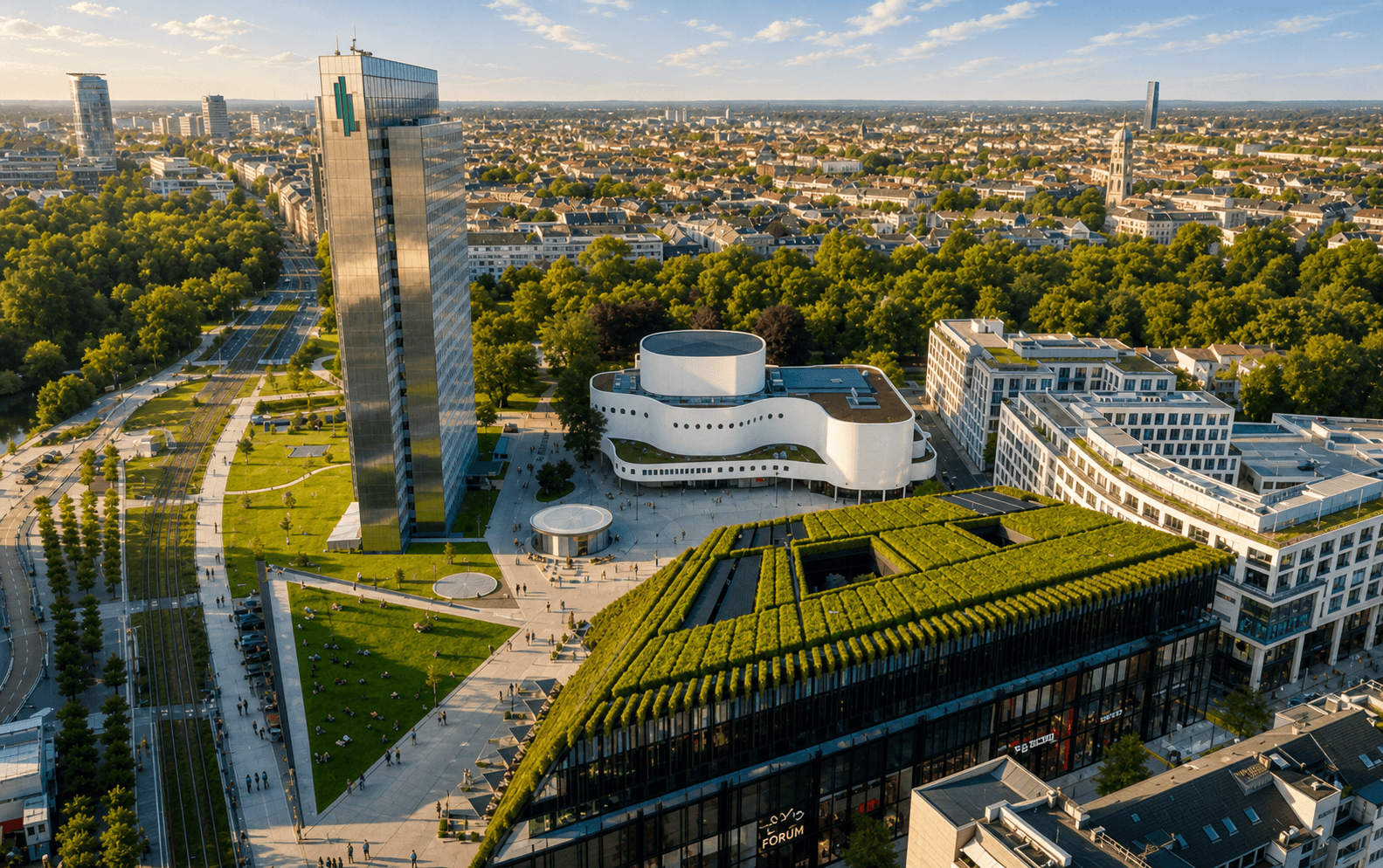
In the state capital of Düsseldorf, significant decisions and debates on governance and administration were at the forefront in February 2026. From the reform of committee structures and digital voting systems to politically charged proposals by the AfD – the meetings showed how the city is adapting its administrative systems while also reflecting societal tensions.
Governance and Administration in Düsseldorf: Structural Reforms and Political Tensions
In the state capital of Düsseldorf, February 2026 proved to be an intense month for municipal administration. Numerous decisions and political debates focused on the structure of committees, digital transformation, and the role of the administration in societal discussions. At the same time, the meetings also reflected the deep societal tensions currently shaping the city.
Reform of Committee Structures and Responsibilities
One of the central topics was the reform of committee structures and the distribution of responsibilities. In several sessions, it was decided to redistribute responsibilities for certain issues in order to increase the efficiency and transparency of the administration. Particularly notable was the transfer of responsibility for matters of the Adult Education Centre (Volkshochschule, VHS) from the Education Committee to the Culture Committee. This change aims to strengthen competence development in cultural policy while simultaneously improving advisory functions in the education sector.
In addition, it was decided to revise the rules of procedure of the Council, including the introduction of a digital voting system. This reform aims to accelerate processes in council and committee meetings and to encourage the participation of council members. The introduction of the digital voting system was passed by a majority and marks another step toward a modernized, digital administration.
Political Proposals and Societal Debates
Alongside the structural reforms, politically charged proposals were also in the spotlight. The AfD faction submitted several proposals that carry significant substantive and symbolic weight. These included the proposal to revoke the climate emergency declaration, a statement of withdrawal from the "Seebrücke" network, and the decision to abandon gender-neutral language in official letters. These proposals not only reflect the political stance of the AfD but also the societal tensions currently being discussed in Düsseldorf and beyond.
Other factions also submitted relevant proposals. For example, the Left Party called for the abolition of the position for field services and detention affairs in the return management as a gesture against deportations. The FDP pursued a different strategy and submitted a proposal for a municipal economic offensive, focusing on reducing bureaucracy, enhancing competitiveness, and supporting start-ups.
Digital Transformation and Citizen Services
Another central topic was the digitalization of the administration. In addition to the introduction of the digital voting system, an FDP proposal on a digitalization strategy was also discussed, which called for investments in digital services such as the Urban Data Platform and AI-assisted form assistance. In addition, a proposal was approved to continue the "Senioren-VormittagPlus" service in the citizen offices, in order to promote digital participation among older citizens.
The city is also focusing on barrier-free access and improved communication channels for citizens with disabilities. A CDU faction proposal to examine the installation of an automatic door opening system at the Kulturhaus Süd was discussed in order to facilitate access for people with limited mobility. At the same time, the out-of-home service for people with mobility restrictions remains a fixed part of the city's service offerings.
Future of Administration: Challenges and Opportunities
The debates and decisions in February 2026 show that the administration in Düsseldorf is not only reacting to structural challenges but also actively shaping the city's future. Digitalization and the reform of committee structures are key components to making the administration more efficient and transparent. At the same time, the political discourse on the city’s role in social and ethical issues remains lively.
The coming months will show how these reforms are implemented and what impact they will have on the work of the administration and the population. Balancing efficiency, transparency, and respect for societal diversity remains a central challenge for the state capital of Düsseldorf.
Outlook: What’s Coming in March 2026?
In March 2026, the focus will continue to be on the implementation of the reforms and the further development of the digitalization strategy. Further political debates are also expected, particularly in the areas of integration, security, and finance. Düsseldorf is in the midst of a transformation – and the administration plays a key role in this process.
NeoSearch analyses public council documents, committee minutes and municipal announcements. Source references appear automatically once verified meeting data is available.
What does this mean for businesses?
Town halls, fire stations, depots and administrative buildings create early construction and refurbishment opportunities. Following council agendas reveals projects before they go to tender.
Track similar decisions in your region
Set up monitoring for public buildings & administration in Nordrhein-Westfalen — prefilled from this article.
Set up monitoring →More signals from Duesseldorf
Educational Policy in Düsseldorf: Safety, Capacity, and Innovation in Focus
In April 2026, educational policy in Düsseldorf focused on safety issues, capacity expansion at special needs schools, and innovative projects to prevent school avoidance. The School Committee addressed central challenges and reform approaches that will shape the future of the educational system in the state capital.
Read more → Youth Policy in Düsseldorf: Focus on Psychosocial Support, Democracy, and Poverty Reduction in April 2026
In April 2026, Düsseldorf has taken several key steps in youth policy. From psychosocial support for young people to the implementation of democracy projects and the fight against child poverty: The Youth Welfare Committee is setting impulses for a resilient and livable city for young people.
Read more → Düsseldorf's Integration and Housing Policy in April 2026: Focus on Participation, Antiracism, and Legal Security
In an intense April 2026, Düsseldorf took decisive steps in integration and social policy. The focus was on issues such as antiracism, linguistic and social integration, legal security in homeless shelters, and the strengthening of migrant organizations. The Committee for Equal Opportunities and Integration made key decisions that will shape future policy.
Read more →