Düsseldorf in April 2026: Mobility, Housing, and Climate Protection in Focus
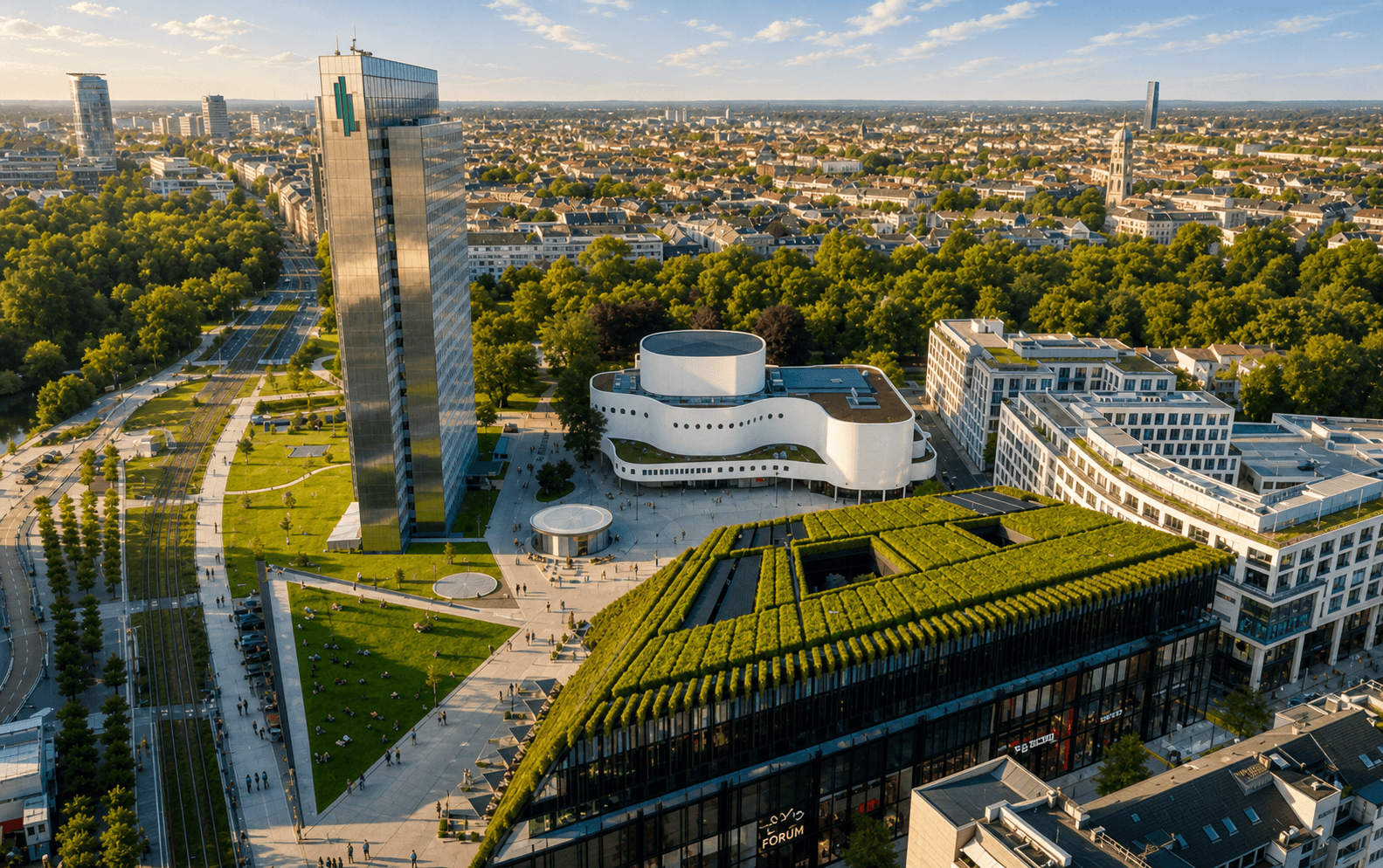
In April 2026, Düsseldorf made significant progress in the areas of transport, urban development, climate protection, and social policy. From the redesign of bicycle paths to the promotion of cultural projects – here is the monthly review.
Changes in Everyday Life – What Was Important This Month
- Cycling becomes safer: With the conversion of Wilhelm-Raabe-Straße and the opening of additional routes for cyclists, Düsseldorf is focusing on sustainable mobility.
- Combating child poverty: 475,000 euros from the 2026 Poverty Fund will be used for measures such as social counseling and therapeutic support.
- New waste management concept until 2030: Düsseldorf aims to reduce waste, strengthen recycling, and secure long-term landfill capacity.
- Culture comes to the city: With the naming of the "Marlies-Smeets-Platz" and the promotion of cultural projects in schools, Düsseldorf is becoming more creative.
- Digital exchange is gaining strength: Live broadcasts of meetings and digital offerings for women show how Düsseldorf is thinking about the digital future.
- Housing remains attractive: With new renovation measures, protection of commercial properties, and investments in kindergartens, the city is becoming more livable.
Mobility: For More Safety and Sustainability
In April, Düsseldorf placed stronger emphasis on sustainable transport solutions. The conversion of Wilhelm-Raabe-Straße into a bicycle street is a milestone in the city's cycling network. At the same time, speed limits of 30 km/h are being introduced on several streets, such as Heltorfer Schlossallee, to better protect pedestrians and cyclists.
There were also developments in parking planning: Electric vehicles may park for free at public charging stations in the evenings and at night – a measure that supports the shift to e-mobility. The extension of minimum green light phases on Schlüterstraße and the installation of speed display boards complete the measures that make daily life safer for commuters and pedestrians.
Housing and Urban Development: The City Remains Vibrant
The city is focusing on a lively and future-ready urban development. In Niederrheinstraße, existing protection for commercial businesses is being granted to support small and medium-sized enterprises. At the same time, a vacancy analysis for retail spaces in district 2 is being requested – a step to revive the city center.
In Heinrichstraße, a project connecting the city with the forest is being implemented, with the preservation of parking spaces and the application for federal funds. The barrier-free renovation of cemeteries and public buildings shows how Düsseldorf is focusing on inclusivity. The promotion of investments in kindergartens remains a priority – up to 90% of the costs for new construction and renovation projects can be funded until 2028.
Climate and Environment: Düsseldorf is Making the City Green
Climate protection is a central issue in Düsseldorf. The city is planning de-sealing measures in the left-rhine area to promote rainwater management and biodiversity. In Lohausen and Kaiserswerth, groundwater contamination with PFAS is being further monitored – a mapping is planned for April 2026, and a site investigation for the autumn.
There are also new developments in waste management: The new waste management concept until 2030 focuses on cleanliness, recycling, and waste prevention. With the introduction of fourth recycling centers and the expansion of selective waste collection, the city aims to conserve resources. At the same time, the landfill situation is being examined – long-term shortages are expected, especially for construction site waste.
Social Affairs and Equality: For a Fair Düsseldorf
Düsseldorf is actively committed to equality and social security. With the planned theme portal for women on the city's website, the city aims to create transparency and access to important information. At the same time, digital violence against women is being addressed – statistical data and resources in counseling centers are still lacking.
In the field of youth welfare, progress is being made: With the poverty fund, 475,000 euros are being invested in measures to alleviate child poverty. Therapeutic support, social counseling, and partnerships for democracy are in focus. The restructuring of kindergartens and the transition to the new provider "Katholino" from August 2026 show how the city is preparing its structures for the future.
Outlook: What’s Next with These Topics?
The decisions of April show a Düsseldorf that is actively committed to sustainable mobility, social justice, and climate protection. At the same time, it becomes clear that there are still challenges – for example, in waste management or the fight against digital violence. The coming months will show how the city further develops these topics and whether planned measures such as the renovation of the Theodor-Heuss Bridge or the implementation of school avoidance prevention achieve their goals.
NeoSearch analyses public council documents, committee minutes and municipal announcements. Source references appear automatically once verified meeting data is available.
What does this mean for businesses?
Municipal council decisions are early indicators: following the council agenda surfaces projects and tenders months before the official award — before they ever reach the procurement portals.
Track similar decisions in your region
Set up monitoring for kommunale Projekte in Nordrhein-Westfalen — prefilled from this article.
Set up monitoring →More signals from Duesseldorf
Educational Policy in Düsseldorf: Safety, Capacity, and Innovation in Focus
In April 2026, educational policy in Düsseldorf focused on safety issues, capacity expansion at special needs schools, and innovative projects to prevent school avoidance. The School Committee addressed central challenges and reform approaches that will shape the future of the educational system in the state capital.
Read more → Youth Policy in Düsseldorf: Focus on Psychosocial Support, Democracy, and Poverty Reduction in April 2026
In April 2026, Düsseldorf has taken several key steps in youth policy. From psychosocial support for young people to the implementation of democracy projects and the fight against child poverty: The Youth Welfare Committee is setting impulses for a resilient and livable city for young people.
Read more → Düsseldorf's Integration and Housing Policy in April 2026: Focus on Participation, Antiracism, and Legal Security
In an intense April 2026, Düsseldorf took decisive steps in integration and social policy. The focus was on issues such as antiracism, linguistic and social integration, legal security in homeless shelters, and the strengthening of migrant organizations. The Committee for Equal Opportunities and Integration made key decisions that will shape future policy.
Read more →