Wilhelmshaven: Economic Promotion and Innovation in the Focus of Urban Development
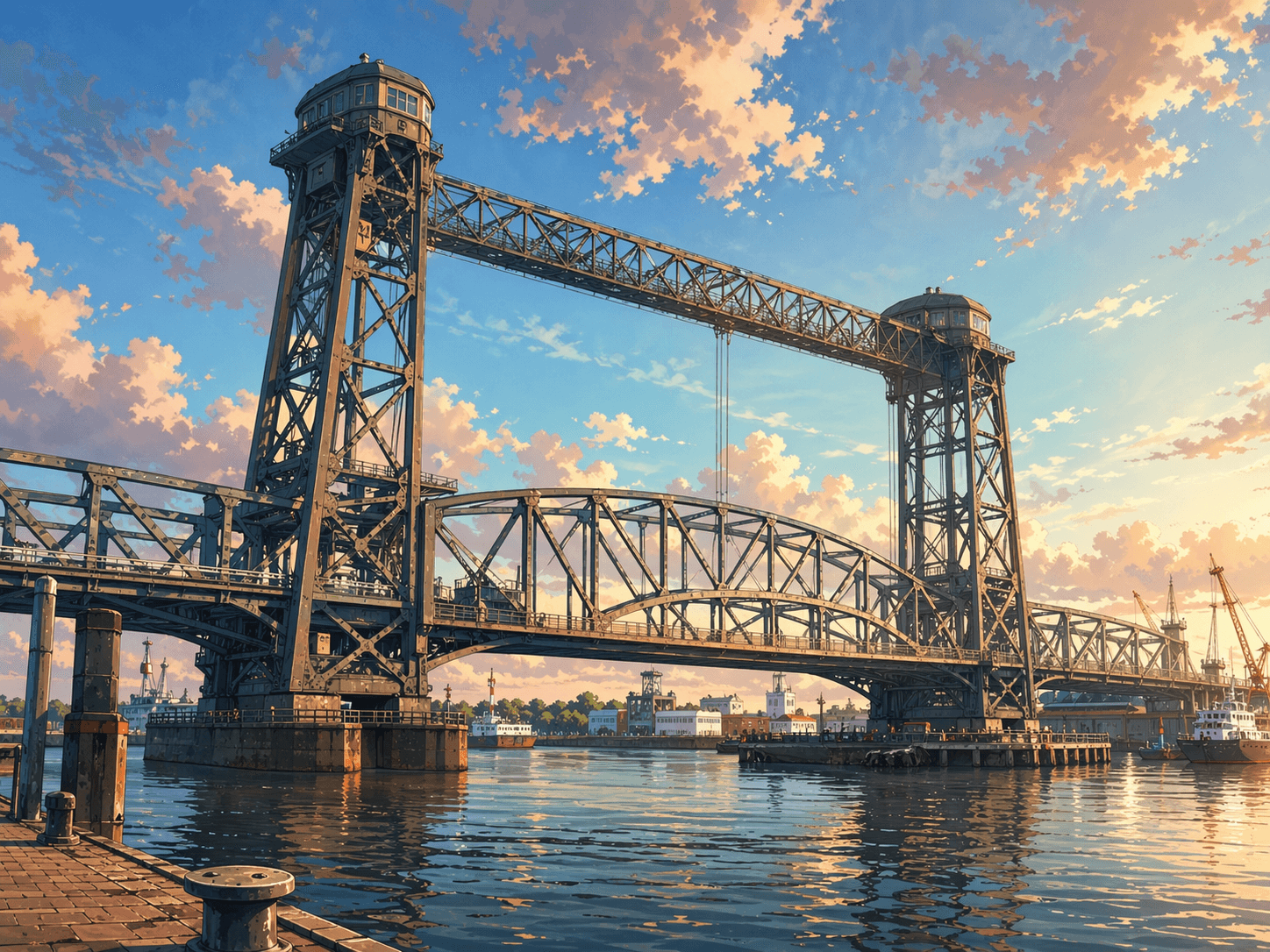
In February 2026, economic development in Wilhelmshaven was particularly active: The Committee for Economy, Tourism, and Ports addressed applications for Floating Homes, the role of the Economic Promotion Agency (WFG), and the future of the tourism strategy. This blog article analyzes the structures, decisions, and forward-looking projects that accompany Wilhelmshaven on its path to becoming a "Green Region by the Sea."
Economic Promotion Wilhelmshaven (WFG): A Key Player in Regional Development
The Economic Promotion Agency Wilhelmshaven (WFG), led by Managing Director Alexander Leonhardt, is a central actor in the region's economic development. The WFG coordinates funding programs, supports startups, and acts as an interface between economy, politics, and science. The city of Wilhelmshaven holds a majority share of 52%, supported by the district of Friesland with 48% and the Port of Wilhelmshaven.
The WFG is divided into several departments – project management, controlling, and event management – and has a broad network ranging from expert advisory boards to innovation and startup consulting. Special emphasis is placed on supporting small and medium-sized enterprises, digitalization, and the transition to a sustainable economic structure.
Floating Homes: A New Form of Housing and Economic Opportunity?
The CDU parliamentary group succeeded in moving the Committee for Economy, Tourism, and Ports to address a controversial topic: the settlement of Floating Homes in the Great Harbor. The application for a zoning plan for this new form of housing was submitted on February 19, 2026, and aims to enable urban densification without additional sealing of land. The goal is to increase the city's attractiveness while simultaneously creating an innovative housing offer that can also be used for tourism.
The discussion about Floating Homes shows the city's willingness to adopt new forms of urban development. At the same time, the legal, planning, and ecological framework conditions still need to be clarified. Integration into the harbor development plan and the involvement of expert advisory boards are decisive steps in this process.
Tourism Strategy 2026: Sustainability and Digital Transformation in Focus
Another central topic during the February week was the future of Wilhelmshaven's tourism strategy. The WFG and the city hall are working on a variety of measures, including the expansion of cycling and hiking trails, the development of new city tours, and the introduction of a water taxi service between Bontekai, Südstrand, and the Marine Museum.
A particular focus is on digitalization and the use of funding: The NBank supports projects in the areas of tourism, innovation, and sustainability with up to 80% funding rate. The city plans a fall/winter campaign under the motto "Cozy Coastal City" to launch the year 2026 with new offers and package tours. At the same time, the city voucher is being further developed, while unused booking platforms are being phased out.
The tourist infrastructure is being reviewed as part of the recognition process for a spa town. High requirements regarding cycling and hiking trails, barrier-free accessibility, and quality assurance must be met, a process that can take up to 1.5 years.
Future Perspectives: Transformation and Competitiveness
Economic development in Wilhelmshaven is shaped by three central themes: transformation, sustainability, and competitiveness. The "Green Region by the Sea" is being advanced through projects such as the energy hub, the hydrogen economy, and the development of new business models.
The WFG is focusing on cooperation models between industry, tourism, and science in order to create synergies. At the same time, measures are being developed to combat the shortage of skilled workers, for example through modern work forms and the strengthening of digital skills. The region is thus being supported in maintaining its competitiveness in the race for investors and skilled workers.
Conclusion: Wilhelmshaven on Course to Become a Green, Digital, and Vibrant Port City
The February week of 2026 shows that Wilhelmshaven is actively working on the city's future. With the WFG as a central actor, an ambitious tourism strategy, and new housing forms such as Floating Homes, the city has the courage to transform. Cooperation with economy, politics, and science is key here. If the projects and cooperation models are successfully implemented, Wilhelmshaven can convince as a vibrant, green, and digital port city in the coming years.
NeoSearch analyses public council documents, committee minutes and municipal announcements. Source references appear automatically once verified meeting data is available.
What does this mean for businesses?
Urban development, zoning plans and commercial settlements create early construction and supply opportunities. Following council decisions reveals projects before they go to tender.
Track similar decisions in your region
Set up monitoring for economic development in Niedersachsen — prefilled from this article.
Set up monitoring →More signals from Wilhelmshaven
Wilhelmshaven in the Climate Change: How the City is Investing in Climate Protection
In April 2026, Wilhelmshaven made important decisions regarding climate neutrality for the municipal administration and adaptation to the impacts of climate change. The focus was on decarbonization, renewable energies, and strengthening climate resilience – particularly in the Kurpark. An overview of the strategic measures.
Read more → Wilhelmshaven: Cancellation of Hospital Works Council Meeting and Implications for Healthcare
In April 2026, an important meeting of the hospital works council in Wilhelmshaven was scheduled – but it did not take place. What does this mean for communication within the city's healthcare system and the future of patient care?
Read more → Education and School Policy in Wilhelmshaven: Two Key Projects in April 2026
In April 2026, Wilhelmshaven focused on two important decisions in the field of education and school policy: the planning of an additional Integrated Comprehensive School (IGS) and the assessment of planning costs for the renovation of the auditorium at the Stadtmitte Secondary School. Both projects have far-reaching implications for the future equipment and use of the city's educational institutions.
Read more →