Wilhelmshaven: Urban Development in February 2026 – Key Developments and Future Directions
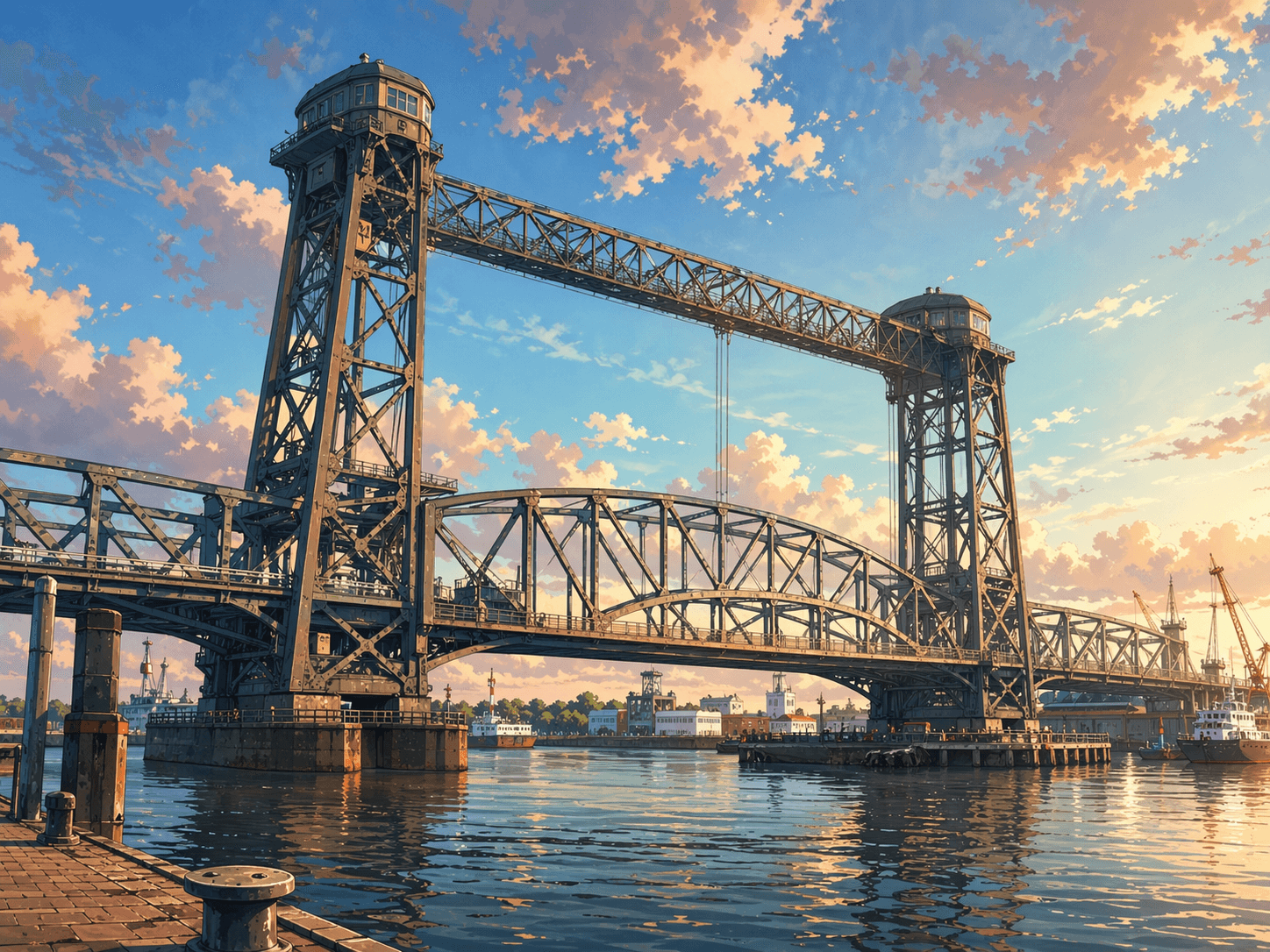
In February 2026, Wilhelmshaven made significant decisions in the areas of urban development and construction planning. The city is addressing challenges related to vacant properties, commercial real estate, and urban infrastructure, while also discussing innovative projects such as Floating Homes and energy infrastructure. This blog analyzes the key developments and their impact on urban planning.
Vacant Properties and Commercial Real Estate: Challenges and Opportunities
In February 2026, vacant city-owned properties and commercial real estate were central to the urban development discussion in Wilhelmshaven. The city possesses a wide range of both occupied and unoccupied properties, all of which are being reevaluated in terms of land use and utilization concepts. In total, 38 commercial rental properties with a total area of approximately 14 hectares were listed, of which 16 were vacant. In addition, 27 plots were designated as "Bauerwartungsland," meaning they are reserved for future development.
The categorization of these areas is particularly significant: vacant and underutilized land ("GGS - FL Brachen-Unland") accounts for the largest share at 189.4 hectares. At the same time, 45.2 hectares have been designated as build-ready land for commercial use. The challenge lies in strategically using these areas to strengthen the local economy and simultaneously reduce vacancy rates.
Floating Homes: A New Housing Concept for Wilhelmshaven?
Another focal point of the city's construction planning was the application by the CDU faction for the creation of a zoning plan for Floating Homes in the Großen Hafen (Great Harbor). The goal is to introduce a new housing model that does not require additional land sealing and instead contributes to urban densification. The proposed sites – northern Grodendamm (Site 2), Wiesbadenbrücke (Site 3), and east of Jadeallee (Site 4) – are all located in the Großen Hafen, an area with high touristic and economic potential.
However, the realization of such projects requires not only a clear legal framework but also broad social acceptance. In addition, ecological impacts and integration into existing port infrastructure must be considered. The CDU faction’s proposal illustrates how Wilhelmshaven aims to position itself as an innovative place to live and work.
Energy Infrastructure and Grid Expansion: Ensuring Future Readiness
Another central topic was the planned grid expansion in the Wilhelmshaven area as part of the IMSa project. The goal is to provide high-voltage infrastructure for future electrolyzers and the Energy Hub Wilhelmshaven. Measures such as the construction of new substation stations and the replacement of 380-kV transmission lines are planned.
These projects are part of the energy transition and the preparation for the future hydrogen economy. At the same time, they face challenges such as environmental compatibility assessments, coordination with Natura 2000 areas, and the assurance of technical feasibility. The city of Wilhelmshaven is responsible for aligning the expansion of energy policy projects with the preservation of ecological resources.
Conclusion: Urban Development in Transition
February 2026 proved to be a decisive month for urban construction planning in Wilhelmshaven. The city has addressed various challenges, from tackling vacancy to developing new housing forms and ensuring the expansion of energy infrastructure. The discussions around Floating Homes, the grid expansion, and the use of vacant land illustrate the diverse developments in the field of urban development.
In the future, it will depend on how these projects are implemented and whether they actually contribute to strengthening the city as a location. The coming months will show whether Wilhelmshaven can establish itself as a vibrant, forward-looking city.
NeoSearch analyses public council documents, committee minutes and municipal announcements. Source references appear automatically once verified meeting data is available.
What does this mean for businesses?
Urban development, zoning plans and commercial settlements create early construction and supply opportunities. Following council decisions reveals projects before they go to tender.
Track similar decisions in your region
Set up monitoring for economic development in Niedersachsen — prefilled from this article.
Set up monitoring →More signals from Wilhelmshaven
Wilhelmshaven in the Climate Change: How the City is Investing in Climate Protection
In April 2026, Wilhelmshaven made important decisions regarding climate neutrality for the municipal administration and adaptation to the impacts of climate change. The focus was on decarbonization, renewable energies, and strengthening climate resilience – particularly in the Kurpark. An overview of the strategic measures.
Read more → Wilhelmshaven: Cancellation of Hospital Works Council Meeting and Implications for Healthcare
In April 2026, an important meeting of the hospital works council in Wilhelmshaven was scheduled – but it did not take place. What does this mean for communication within the city's healthcare system and the future of patient care?
Read more → Education and School Policy in Wilhelmshaven: Two Key Projects in April 2026
In April 2026, Wilhelmshaven focused on two important decisions in the field of education and school policy: the planning of an additional Integrated Comprehensive School (IGS) and the assessment of planning costs for the renovation of the auditorium at the Stadtmitte Secondary School. Both projects have far-reaching implications for the future equipment and use of the city's educational institutions.
Read more →