Wilhelmshaven: Urban Planning and Construction in Focus – March 2026
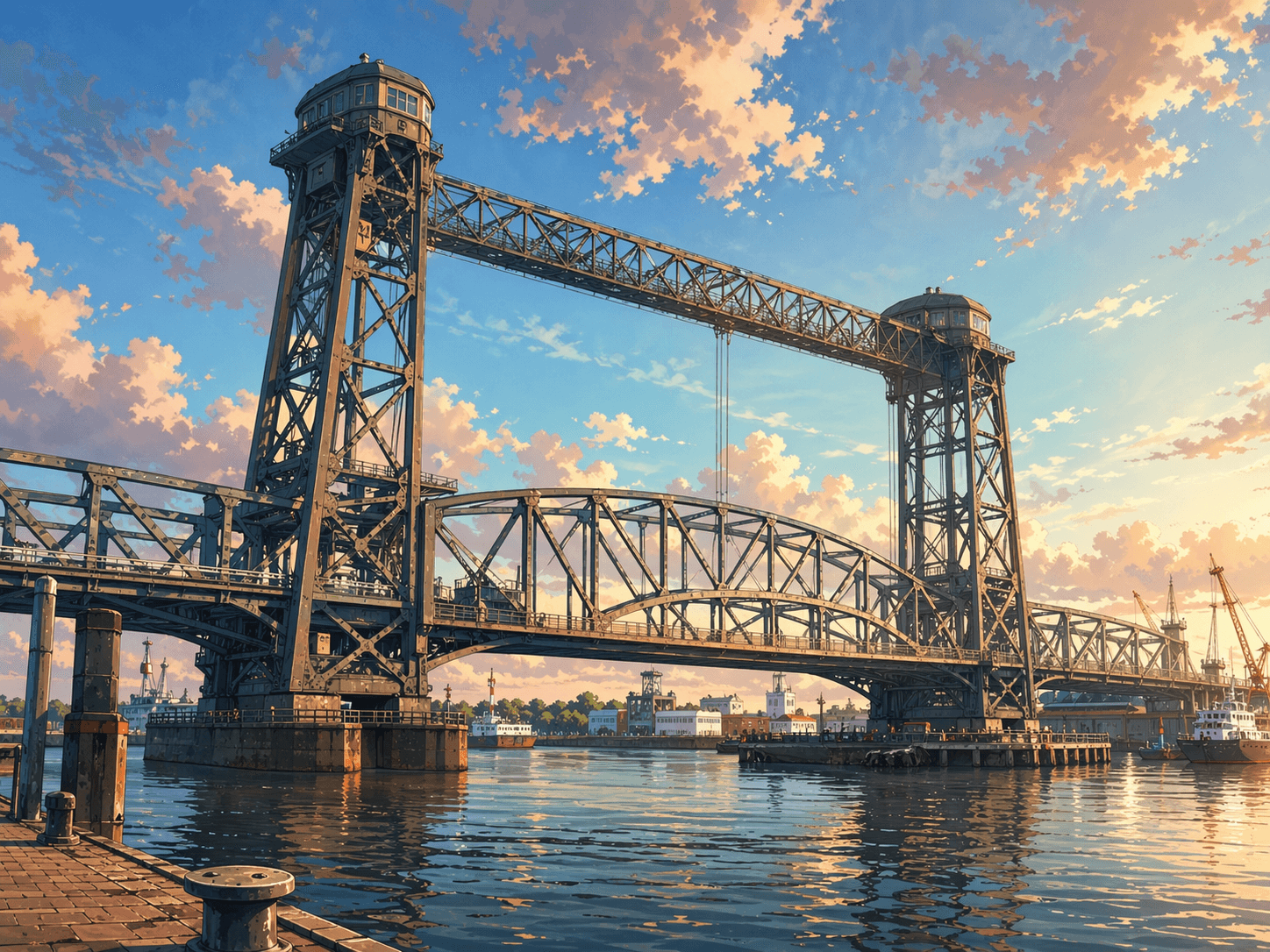
In March 2026, Wilhelmshaven set key priorities in urban development and construction planning. With a focus on green-blue connection routes, enhancement of urban spaces, and renewable energy, the city is shaping a sustainable vision for the future.
Wilhelmshaven: Urban Planning and Construction in Focus – March 2026
The city of Wilhelmshaven has been actively engaged in shaping its future development over the past months. In March 2026, particular emphasis was placed on measures to strengthen traffic planning, the enhancement of public spaces, the use of water surfaces, and the integration of renewable energy. These topics reflect a clear urban development vision: Wilhelmshaven aims not only to grow, but also to do so sustainably, inclusively, and in a way that enhances quality of life.
Green and Blue Connection Routes: The City Becomes More Connected
One of the central measures in Wilhelmshaven's urban development is the development of green-blue connection routes between the city center and Südstrand. The goal is to create a functional and spatial integration of the districts while simultaneously increasing the attractiveness of public spaces.
Three different routes – through the city, along the harbor, and along the sea – have been planned, each with its own distinct atmospheric identity. Traffic calming in the historic Rheinstraße and the renovation of bicycle infrastructure are key components. Another milestone is the planning of a new pedestrian bridge over the railway tracks, which is intended to connect the north and south banks.
Additionally, a connected network of bicycle paths is being expanded, with clearly separated pedestrian and cycling traffic. These measures follow a clear vision: Wilhelmshaven should be a place where movement and relaxation are in harmony.
Public Spaces: Enhancement and Cultural Activation
The enhancement of public spaces was another central theme. Plazas such as the Valoisplatz, the Bontekai, the Südstrand promenade, and the Kirchpark are being redesigned to make them experience-oriented, inviting, and barrier-free. The reactivation of historic buildings – such as the Alte Warenhaus (Old Department Store), the Südstadt (South City), and the Museumshafen (Museum Harbor) – is a key focus of the city's cultural policy.
In addition, pop-up cultural spaces such as the Forschungsplatz (Research Plaza), the Fischmarkt (Fish Market), and the Kulturplatz (Cultural Plaza) are being used to spark creative impulses. Vacant lots and parking spaces are being repurposed, with projects such as Lebendige Zentren (Vibrant Centers), ZIZ (Center for Innovation and Zoning), LAGA (Local Action Group), and BUGA (German Garden Show) playing a central role.
Integration of Renewable Energy: Open-Area PV Plants and Climate Protection
Another highlight was the description of the development concept for open-area photovoltaic (PV) plants (FFPV). The goal of the project is to achieve a share of 15 GW of renewable energy from open-area PV plants in Lower Saxony by 2035. In Wilhelmshaven, 17 potential areas have been identified, four of which are considered particularly suitable – including former landfills.
The area analysis takes ecological, legal, and urban development aspects into account. Exclusion criteria such as the minimum distance to residential areas (200 meters), slope and shading influences are strictly observed. The promotion of such plants is part of the Renewable Energy Sources Act (EEG) and the Lower Saxony Climate Protection Act (NKlimaG), which sets a target of 0.5% of the state's land area for FFPV plants by 2033.
Citizen Participation: Co-Creation for an Inclusive City
Citizen participation played a decisive role in Wilhelmshaven. An online survey ("Swipocratie") with over 2,600 participants provided valuable impulses, such as a Christmas market by the sea, more restaurants in the Bontekai area, or improved accessibility. These responses were incorporated into the master plan, which defines action catalogues and evaluation criteria for an urban development vision.
The development of three working models – with clear evaluation criteria – shows that Wilhelmshaven is not only planning, but also actively involving citizens in the process. The goal is to enable an inclusive and sustainable urban development that is oriented towards the needs of its citizens.
Outlook: Wilhelmshaven as a Model for Sustainable Urban Development
The measures taken in March 2026 show how Wilhelmshaven is positioning itself as a modern, livable, and climate-adapted city. Through the focus on green-blue connection routes, the enhancement of public spaces, the integration of renewable energy, and active citizen participation, the city is setting impulses that go far beyond local interest.
In the future, it will be important to consistently implement these projects and to further develop them in cooperation with regional and national partners. Collaboration with the Friesland district, the Jade University of Applied Sciences, and other stakeholders is a key factor for success. Wilhelmshaven has not only established itself as a port city, but as a vibrant, sustainable, and future-oriented metropolis.
NeoSearch analyses public council documents, committee minutes and municipal announcements. Source references appear automatically once verified meeting data is available.
What does this mean for businesses?
Urban development, zoning plans and commercial settlements create early construction and supply opportunities. Following council decisions reveals projects before they go to tender.
Track similar decisions in your region
Set up monitoring for economic development in Niedersachsen — prefilled from this article.
Set up monitoring →More signals from Wilhelmshaven
Wilhelmshaven in the Climate Change: How the City is Investing in Climate Protection
In April 2026, Wilhelmshaven made important decisions regarding climate neutrality for the municipal administration and adaptation to the impacts of climate change. The focus was on decarbonization, renewable energies, and strengthening climate resilience – particularly in the Kurpark. An overview of the strategic measures.
Read more → Wilhelmshaven: Cancellation of Hospital Works Council Meeting and Implications for Healthcare
In April 2026, an important meeting of the hospital works council in Wilhelmshaven was scheduled – but it did not take place. What does this mean for communication within the city's healthcare system and the future of patient care?
Read more → Education and School Policy in Wilhelmshaven: Two Key Projects in April 2026
In April 2026, Wilhelmshaven focused on two important decisions in the field of education and school policy: the planning of an additional Integrated Comprehensive School (IGS) and the assessment of planning costs for the renovation of the auditorium at the Stadtmitte Secondary School. Both projects have far-reaching implications for the future equipment and use of the city's educational institutions.
Read more →