Wilhelmshaven in Focus – Monthly Blog February 2026
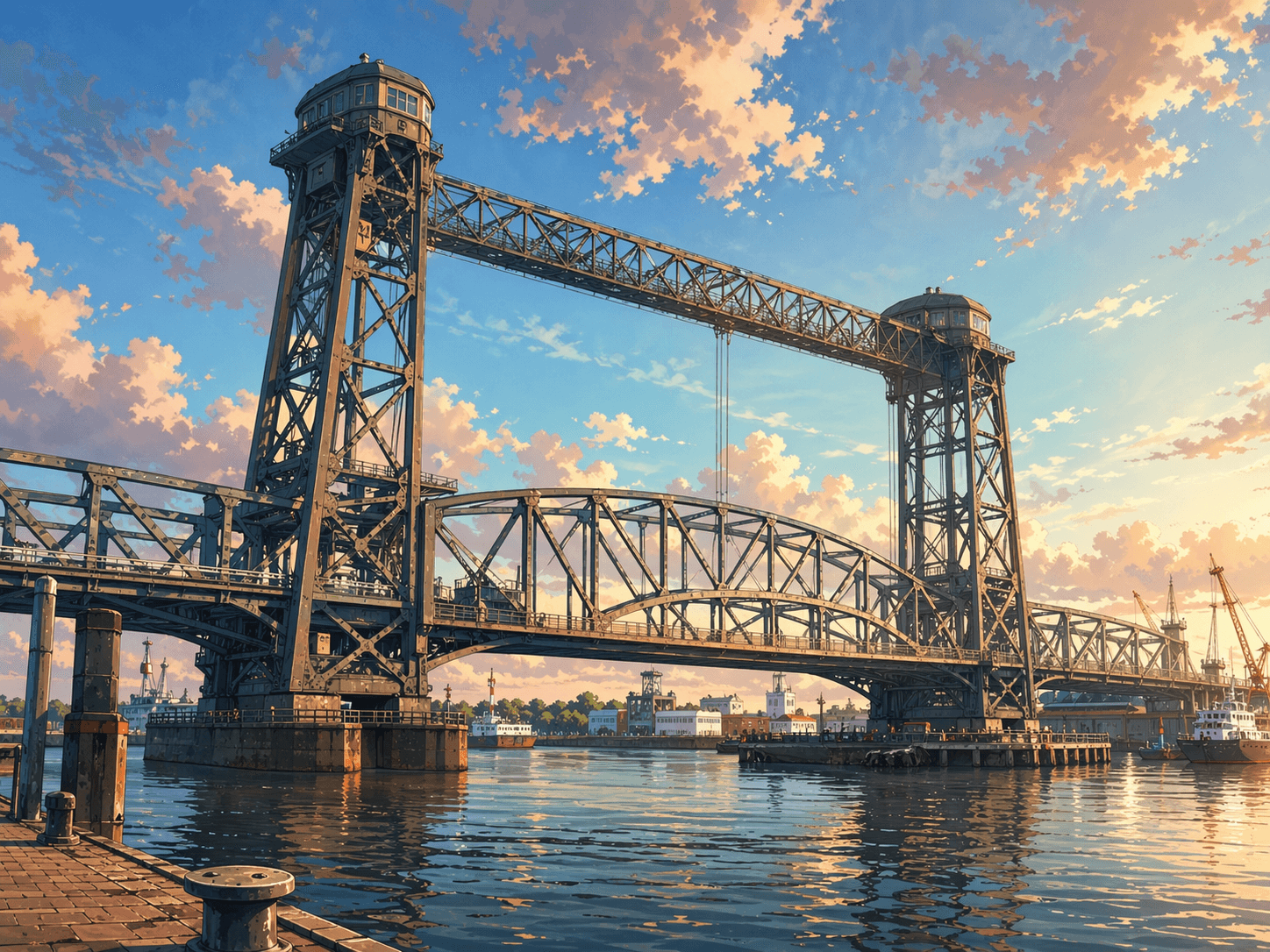
A summary of the most important topics from politics, economy, education, and environment in Wilhelmshaven in February 2026.
Important Developments in February
What was important this month
- Floating Homes at the Great Harbor: The CDU's proposal for a zoning plan for Floating Homes was discussed – an option for new forms of housing in the port city.
- Environmental reports confirm safety: The energy storage in Wilhelmshaven-Rüstringen remains within the limits – no negative effects on the environment or protected areas.
- New developments in education: The local council of Sengwarden discussed the introduction of an open full-day program at the primary school for the next school year.
- Vacant properties and industrial sites: A recent list of municipal industrial properties showed that Wilhelmshaven continues to offer plenty of space for investors and businesses.
- Winter service ordinance in focus: The operations committee addressed measures for winter service – including cooperation with the fire department and the civil protection service (THW).
Culture and Education – What was planned, what didn't happen
The Committee for Culture and Science could not meet in February due to weather-related circumstances. Planned items included the performance schedule of the Lower Saxony Northern State Theatre and the Kunsthalle program for 2026. In addition, annual reports from the City Archives and the City Library were to be presented. Although the session was canceled, the minutes of the public parts of the last meetings were approved.
In the local council of Sengwarden, questions of education were in the foreground. The current status of the introduction of an open full-day program at the primary school in Sengwarden for the school year 2026/2027 was discussed. This initiative could provide more childcare security and more parental leave options.
Environment & Climate Protection – Safety remains a priority
The Committee for Environment, Climate Protection, and Fire Safety confirmed that the energy storage in Wilhelmshaven-Rüstringen, Hamburg-Sottorf, Bremen-Lesum, and Heide remains within legal limits. Particularly in Wilhelmshaven-Rüstringen, where 11 million cubic meters are stored, there were no negative effects on the environment or protected areas.
Another focus was the hydrogen storage in Wilhelmshaven-Rüstringen. The environmental compatibility assessment (UVP-Mining) is ongoing, and the groundwater model is regularly updated. It is expected that the salt-freshwater boundary will not be affected.
In addition, the committee presented the fire department vehicle concept for 2026–2031. The goal is a uniform, environmentally friendly equipment of the vehicles. Authorization commitments for procurement must already be included in the budget planning, as delivery times range between 12 and 36 months.
Economy & Port – New developments in port policy
The Committee for Economy, Tourism, and Ports discussed the CDU's proposal for the introduction of a zoning plan for Floating Homes in the Great Harbor. The proposed areas include the northern Grodendamm, the Wiesbaden Bridge, and the area east of the Jadeallee.
In addition, reports on the work of the Economic Development Company Wilhelmshaven GmbH and the Department for Economy and Regional Management were presented. The three expert committees are involved in the work of the committee to advance economic policy.
Urban Development – Commercial properties and vacancy
The operations committee of the municipal enterprise for real estate and buildings presented a list of municipal commercial properties and vacant buildings. Among others, areas such as Albrechtstraße 115 (1,597 m²) and Anton-Dohrn-Weg (62,174.13 m²) were mentioned.
In total, the following were available:
- 38 commercial rental properties (approx. 14 ha),
- 7 hereditary lease commercial areas (approx. 17.2 ha),
- 27 areas of reserved land for development (approx. 40 ha),
- 20 ready-to-develop commercial areas (approx. 45.2 ha).
These figures show that Wilhelmshaven continues to have sufficient space for investors and businesses.
Winter Service and Traffic – Safety in the snow
The operations committee of the Technical Operations focused on the winter service ordinance. Measures for the next winter were discussed, including cooperation with the fire department, THW, farmers, and volunteers. Particular attention was given to barrier-free access and the support of vulnerable groups.
In addition, a round table with the union Verdi was proposed to discuss staffing and working conditions.
Outlook – What's coming in March?
In March, further important topics will be on the agenda: The Committee for Culture and Science will again deal with planned programs, and in the local council of Sengwarden, the first concrete decisions on the establishment of an open full-day program at the primary school could be made.
In addition, the operations committee of the Technical Operations will discuss the budget planning for 2026. The discussions on Floating Homes and the implementation of the fire department vehicle concept will also continue.
Conclusion
February 2026 was marked in Wilhelmshaven by safety reports, educational planning, and economic strategies. Whether in the areas of culture, environment, or administration – the city remains in motion. Citizens can rely on transparent decision-making processes and are actively included through open meetings and reports.
NeoSearch analyses public council documents, committee minutes and municipal announcements. Source references appear automatically once verified meeting data is available.
What does this mean for businesses?
Municipal council decisions are early indicators: following the council agenda surfaces projects and tenders months before the official award — before they ever reach the procurement portals.
Track similar decisions in your region
Set up monitoring for Culture and Community in Niedersachsen — prefilled from this article.
Set up monitoring →More signals from Wilhelmshaven
Wilhelmshaven in the Climate Change: How the City is Investing in Climate Protection
In April 2026, Wilhelmshaven made important decisions regarding climate neutrality for the municipal administration and adaptation to the impacts of climate change. The focus was on decarbonization, renewable energies, and strengthening climate resilience – particularly in the Kurpark. An overview of the strategic measures.
Read more → Wilhelmshaven: Cancellation of Hospital Works Council Meeting and Implications for Healthcare
In April 2026, an important meeting of the hospital works council in Wilhelmshaven was scheduled – but it did not take place. What does this mean for communication within the city's healthcare system and the future of patient care?
Read more → Education and School Policy in Wilhelmshaven: Two Key Projects in April 2026
In April 2026, Wilhelmshaven focused on two important decisions in the field of education and school policy: the planning of an additional Integrated Comprehensive School (IGS) and the assessment of planning costs for the renovation of the auditorium at the Stadtmitte Secondary School. Both projects have far-reaching implications for the future equipment and use of the city's educational institutions.
Read more →