Osnabrück and Bürgerpark: Environmental and Climate Policy in April 2026
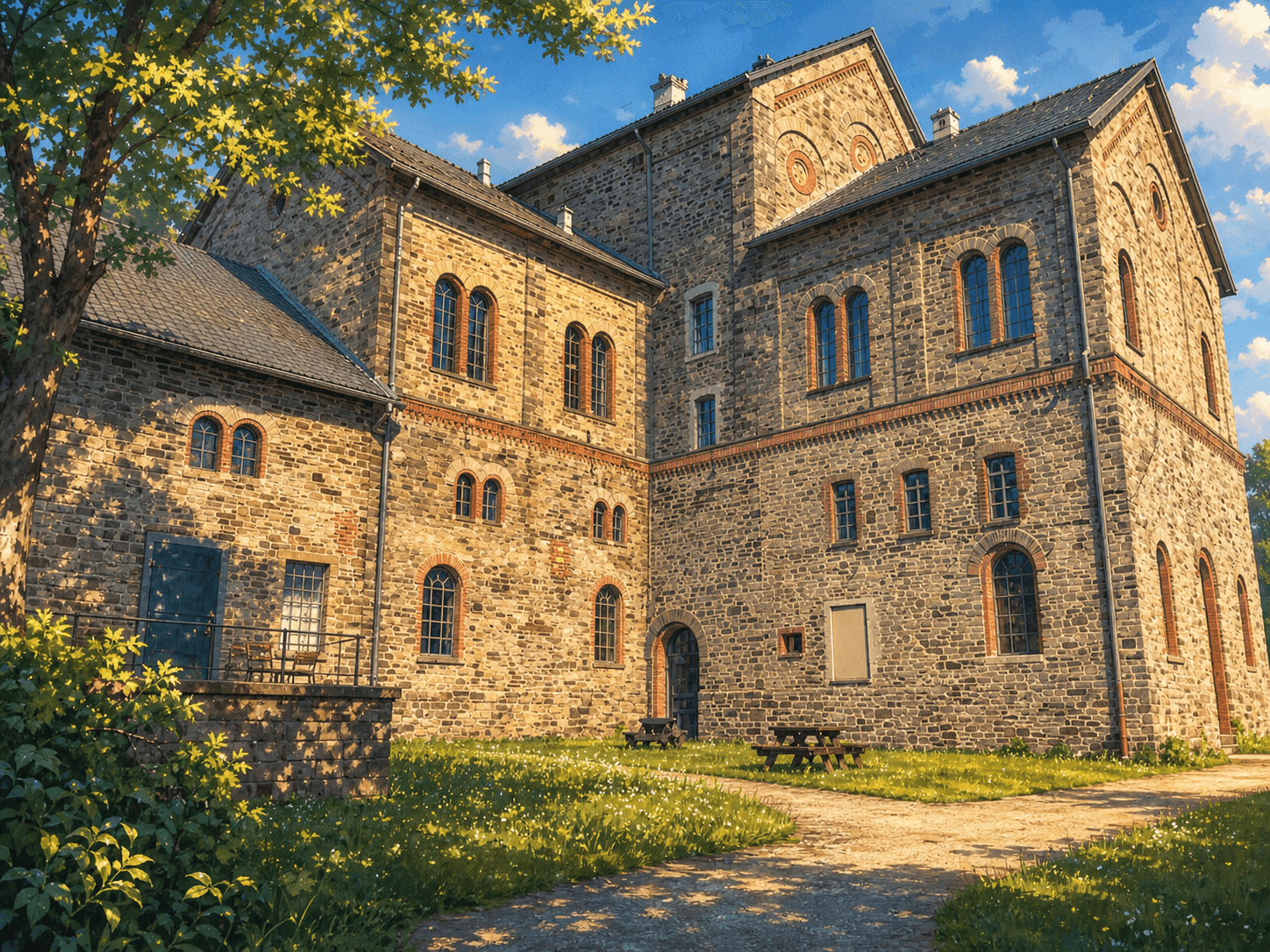
In April 2026, Osnabrück took steps toward sustainable climate adaptation and nature conservation, with a focus on Bürgerpark, a central green space under cultural and landscape heritage protection. Numerous decisions and plans illustrate how the city is implementing its climate strategy in concrete terms.
Osnabrück’s Bürgerpark as a Key Object for Climate and Environmentally Protected Urban Development
The Bürgerpark in Osnabrück is not only a green showcase for the city but also a central element in its municipal climate and environmental strategy. In April 2026, the multifaceted role of the park became evident: it functions as a cultural heritage site, a biotope, a cold air reservoir, and a model project for climate-resilient green space planning. The decisions and plans made during session 2000177 show that Osnabrück is acting on multiple levels.
Nature-Friendly Green Space Management as a Response to Climate Change
The city has decided to maintain the Bürgerpark according to nature-friendly principles in order to increase resilience against climate change impacts such as heat islands or heavy rainfall. A central aspect is the adaptation of the maintenance plan to ecological criteria. For example, wildflower meadows are being sown with native seeds, dead wood and hollows are preserved as habitats for insects and birds, and the sealing of areas is being reduced.
These measures are aligned with the Climate Adaptation Strategy 2017 and the Open Space Development Concept 2023. The goal is to continue using the park as a cold air reservoir and thus improve the city’s microclimate. Particularly the meadow and perennial areas around the Goldfish Pond and the "Kleine Schweiz" (Little Switzerland) contribute to regulating local air quality and climate.
Heritage Protection and Biodiversity: A Delicate Balance
The Bürgerpark is not only a natural space but also a historical cultural heritage site. Designed in 1876 in the style of an English landscape garden, it has been under heritage protection since 1988 (§ 4 NDSchG). The challenge lies in preserving the park as a historical ensemble while also protecting it as a living habitat for various animal and plant species.
The maintenance planning therefore considers not only architectural elements such as the cherry tree avenue or the chestnut roundabout but also biological diversity. For example, invasive plants such as Amur maple are controlled, and non-native shrubs such as hazel trees are being reduced. At the same time, attention is paid to the preservation of habitat trees that are essential for birds and insects as breeding and food resources.
Funding and Public Engagement: How Will the Park Be Supported in the Future?
The implementation of the maintenance plan is financially supported by the federal program "Natural Climate Protection in Municipalities" (BMUKN/KfW) with 90% and by the VGH Foundation with €10,000. This support is crucial for financing long-term climate-resilient measures.
In addition, Osnabrück is focusing on public engagement: guided tours, workshops, and nature-friendly events are intended to establish the Bürgerpark not only as a green space but also as an educational and inspiring place. The 150th anniversary of the park in 2026 is being used to highlight the importance of green spaces for climate and society.
Conclusion: A Model for Other Cities?
The Bürgerpark in Osnabrück shows how a city can concretely implement its climate and environmental strategy. Through the combination of climate adaptation, nature conservation, heritage protection, and citizen participation, a sustainable green space management is enabled. The projects and measures decided in April 2026 could serve as a model for other municipalities – not least because they are closely linked to scientific studies and monitoring processes.
Challenges remain, however: staffing for the park’s maintenance is still limited, and the balance between preservation and use must be renegotiated continuously. Nevertheless, Osnabrück has created a strong example with the Bürgerpark – for a city that thinks and acts not only green but also climate-resilient.
NeoSearch analyses public council documents, committee minutes and municipal announcements. Source references appear automatically once verified meeting data is available.
What does this mean for businesses?
Municipal heat planning, photovoltaics and climate measures create early project indicators. Following council decisions surfaces sites and tenders before they are publicly advertised.
Track similar decisions in your region
Set up monitoring for environment & climate in Niedersachsen — prefilled from this article.
Set up monitoring →More signals from Osnabrueck
Financial Policy in Osnabrück: Budget Decisions and Risk Management in April 2026
April 2026 was marked in Osnabrück by significant decisions in the areas of finance and budgeting. Default guarantees, corporate loans, and investment strategies were the focus – with far-reaching implications for the city's budget planning and future risk profiles.
Read more → Governance and Administration in Osnabrück: Decisions in April 2026
In April 2026, Osnabrück made significant decisions in the area of governance and administration. The city council discussed topics such as security, night culture, industrial future, and cultural partnerships. An overview.
Read more → Legal Developments and Challenges in Osnabrück – April 2026
In April 2026, the city of Osnabrück made significant decisions in the area of law and administration. This blog post explores the implications for alcohol policy, integration, security, and municipal action.
Read more →