Osnabrück in Focus: Urban Development and Construction in January 2026
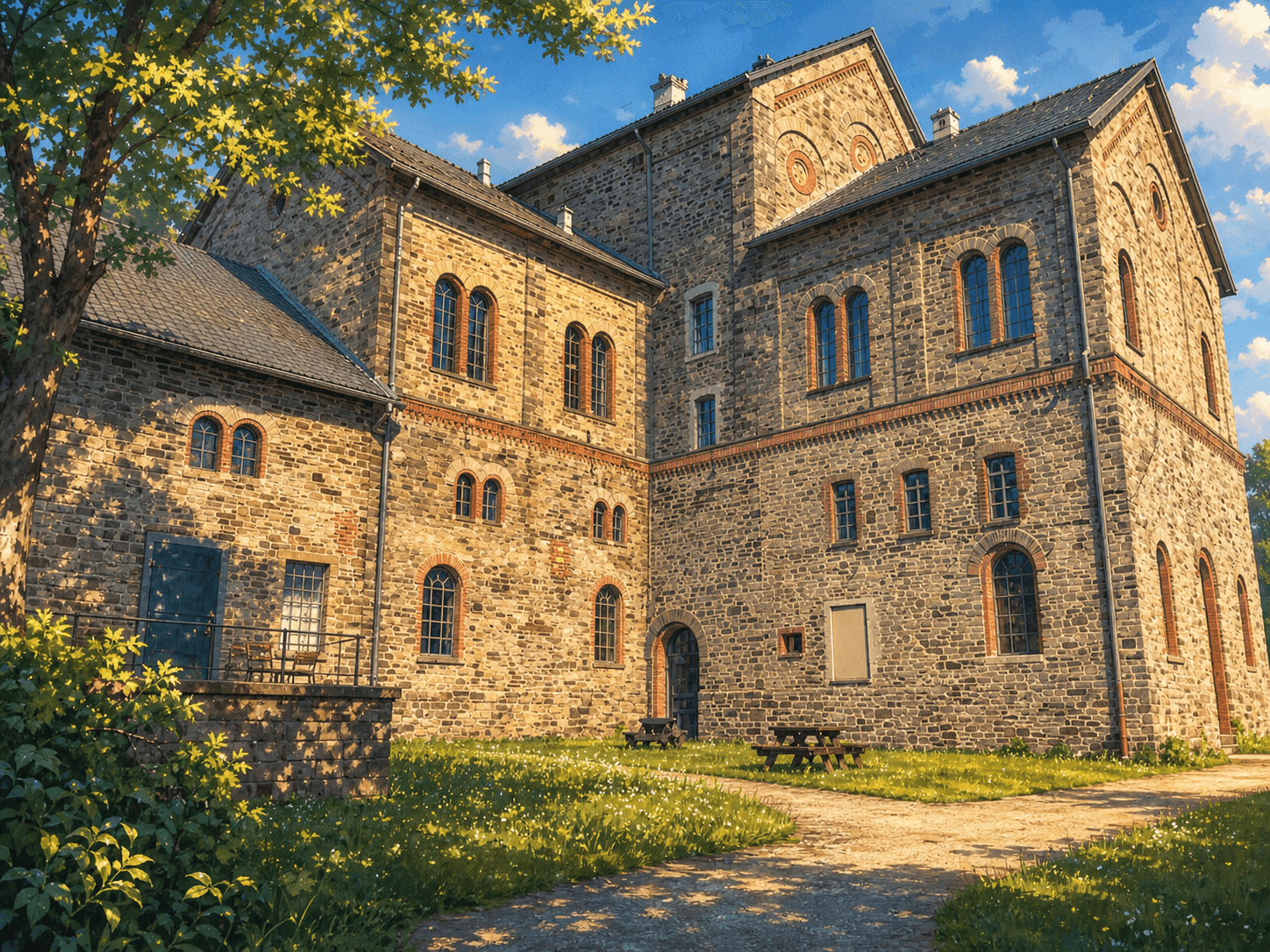
In January 2026, the city of Osnabrück intensified its focus on sustainable urban development, affordable housing, and climate-friendly infrastructure. This in-depth overview presents the most important decisions, investments, and challenges in the field of urban development and construction.
Sustainability in Focus: Osnabrück Building for the Future
Urban development in Osnabrück has clearly focused on sustainable and climate-friendly approaches in January 2026. Numerous decisions and investment plans illustrate how the city is responding to future challenges – rising housing demand, climate change, and infrastructural modernization – with long-term measures.
Affordable Housing and Energy Standards
A central topic in the city council meetings was the provision of affordable housing. Osnabrück has decided to revise the guidelines for the allocation of municipal housing land: the minimum energy standard is now aligned with the Building Energy Act (GEG), and applicants with superior standards will receive bonus points. This is a signal for a forward-looking housing construction that remains not only socially but also ecologically viable.
In addition, the funding for renovation and revitalization projects has been expanded. Up to 50% of renovation costs can be funded, with a maximum of 2,000 euros per housing unit. Particularly innovations such as densification in the second row are supported, which could reduce building pressure on urban fringe areas.
Infrastructure Measures and Mobility
In the field of infrastructure, Osnabrück is focusing on climate-friendly and barrier-free transport planning. The Sustainable Urban Mobility Plan (NUMPOS) is in the starting phase and is intended to reshape traffic in the city. In parallel, specific measures are being implemented, such as the street end construction at Winkelhausenstraße, which will reduce sealing by 1,150 m². The partial narrowing of Schreberstraße with a road width of 10.5 m and a sealing reduction of 40% is another step towards climate protection and microclimate optimization.
Climate Protection and Biodiversity
Climate protection is also a central evaluation criterion in construction planning. The city has developed a clear understanding that construction projects must not only be energy-efficient but also aim at sustainable mobility and climate protection.
In the field of biodiversity, the program "Experience Workshop Urban Nature" (Erfahrungswerkstatt Stadtnatur) is currently being implemented. The Biodiversity Strategy, originally planned for 2025, has been postponed to autumn/winter 2026. Nevertheless, projects such as flowering areas and wildflower seeding are already underway.
Investments and Financing
In January 2026, the city made several investment decisions that will shape its construction and financial planning for the year. The funded areas such as the conversion site Dodesheide with a release of 1.98 million euros from the municipal budget and the early release of funds 2026 with 4.5 million euros for building maintenance show that Osnabrück is well prepared financially to drive investments – and deliberately to avoid bottlenecks during the holidays.
Another investment focus was the renovation of the Erich Maria Remarque Peace Center, which is planned with a total budget of 2.08 million euros and 40% funding from the European Regional Development Fund (EFRE). Completion is expected by autumn 2028.
Future-Oriented Planning and Process Optimization
The city of Osnabrück is also relying on digitalization and process optimization in the construction sector. Online applications are now possible, but analog options remain available. A design manual for architectural and ecological quality in concept tenders is being developed to ensure the architectural culture in the city.
Public participation is another important topic. The revision of the land use plan in the Halterbergsfeld is to be examined in the first half of 2026, with a target of 2 ha of wind area requirement.
Outlook: How to Continue with Urban Development in Osnabrück?
The decisions in January 2026 show that Osnabrück is consciously focusing on sustainable, affordable, and climate-friendly urban development. The challenges are significant, particularly with increasing housing demand and financial constraints, but the city has demonstrated that it is on the right track with clear planning, investments, and strong citizen participation.
What remains to be seen is how the biodiversity strategy and the Sustainable Urban Mobility Plan will be implemented in practice – and whether the investments in new kindergartens and school renovations will actually meet the growing demands.
NeoSearch analyses public council documents, committee minutes and municipal announcements. Source references appear automatically once verified meeting data is available.
What does this mean for businesses?
Municipal council decisions are early indicators: following the council agenda surfaces projects and tenders months before the official award — before they ever reach the procurement portals.
Track similar decisions in your region
Set up monitoring for Finance and Budget in Niedersachsen — prefilled from this article.
Set up monitoring →More signals from Osnabrueck
Financial Policy in Osnabrück: Budget Decisions and Risk Management in April 2026
April 2026 was marked in Osnabrück by significant decisions in the areas of finance and budgeting. Default guarantees, corporate loans, and investment strategies were the focus – with far-reaching implications for the city's budget planning and future risk profiles.
Read more → Governance and Administration in Osnabrück: Decisions in April 2026
In April 2026, Osnabrück made significant decisions in the area of governance and administration. The city council discussed topics such as security, night culture, industrial future, and cultural partnerships. An overview.
Read more → Legal Developments and Challenges in Osnabrück – April 2026
In April 2026, the city of Osnabrück made significant decisions in the area of law and administration. This blog post explores the implications for alcohol policy, integration, security, and municipal action.
Read more →