Rostock's Urban Development 2026: From 30 km/h Debates to Greening Projects
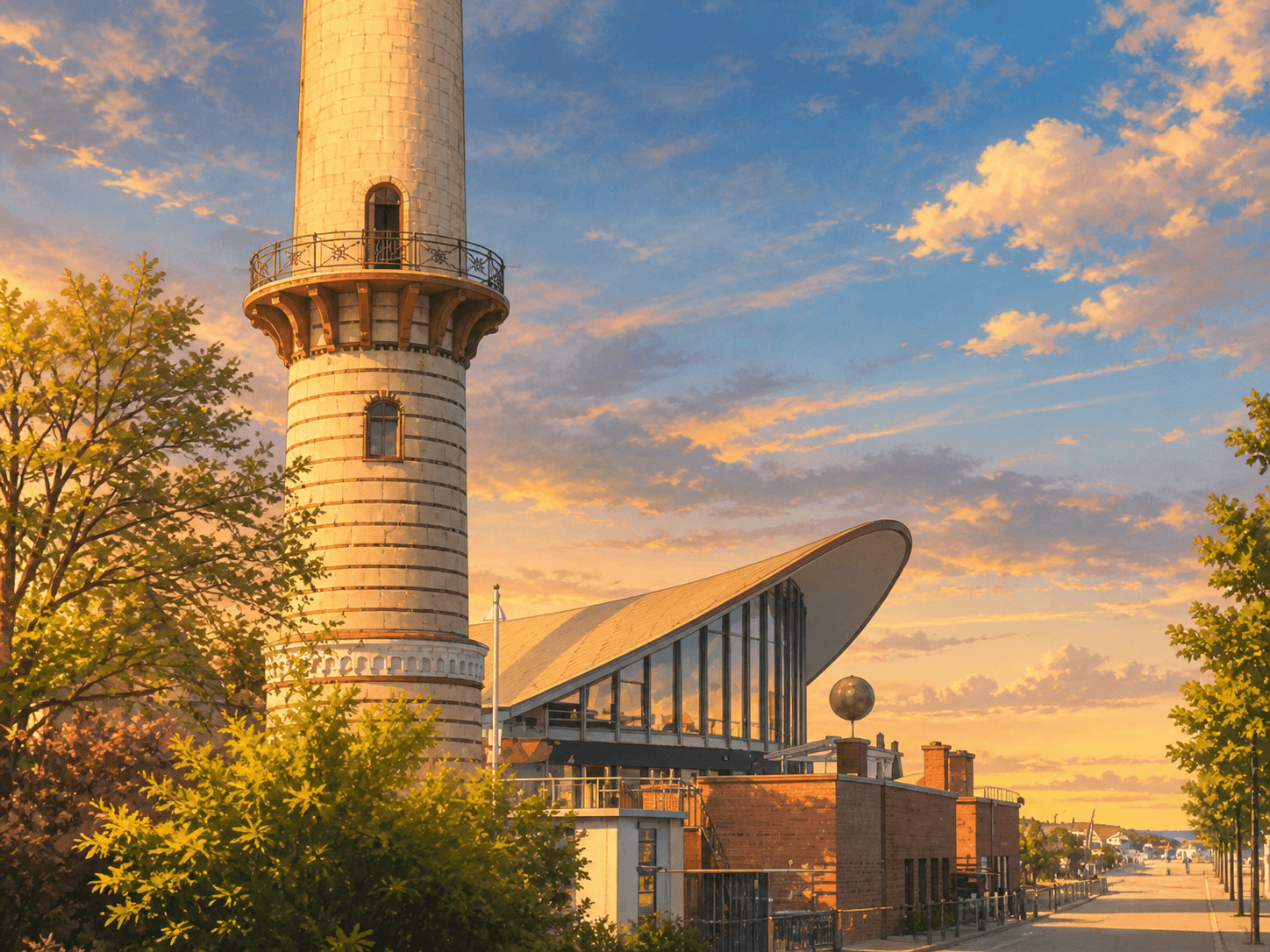
In February 2026, Rostock focused on key decisions regarding urban development. From the 30 km/h debate to trees in historic avenues and major infrastructure projects such as the TRAM WEST tram line – the Hanseatic city is moving toward a sustainable and livable urban culture.
Rostock in Transition: Urban Development in Focus in February 2026
Urban development in Rostock is a dynamic field ranging from the design of public spaces to the planning of major infrastructure projects. In February 2026, several key decisions were made that will shape the future of the Hanseatic city. The debates on 30 km/h speed limits, greening projects, trees in historic avenues, and the expansion of EEW facilities show how complex and diverse the challenges the city faces are.
30 km/h Debate: Safety or Traffic Congestion?
The discussion on 30 km/h speed limits on main roads is a central topic in urban mobility planning. Although many residents welcome 30 km/h as a traffic safety measure, Rostock’s City Council has set clear guidelines: 30 km/h is not a blanket solution but only permissible as a last resort after alternative measures have been considered.
The administration is pursuing a combined strategy that emphasizes structural and technical measures. Examples include extending green light phases, road surface renovations, or the introduction of roundabouts. These measures are not only more cost-efficient but also less disruptive to traffic flow. The Vision Zero concept, aiming for the abolition of fatal accidents, remains a central guiding principle of the city's traffic policy.
Greening of the Neuer Markt: A Pilot Project for the Urban Image
As part of its efforts to make Rostock more livable, a pilot project was decided upon to green the Neuer Markt area. In the first phase (2026), using mobile elements such as planters and seating modules, the city will test how the quality of stay and the microclimate can be improved. The cost of the test phase amounts to approximately 190,000 EUR, followed by further investments of 80,000 EUR for the permanent implementation starting in 2027.
This project is an example of how the city can be flexible and creative with limited resources. Central to the concept is the principle of reversibility – a decision that emphasizes flexibility and the ability to adapt.
Trees in Maßmannstraße: A Battle for Urban Greenery
Another central topic was the restoration of the lime tree avenue in Maßmannstraße. 34 trees, including lindens planted in 1915, are at risk due to soil compaction caused by vehicle traffic. 15 trees are already considered lost. The city has now initiated a comprehensive restoration program including soil aeration, grass seeding, and the installation of bollards or tree guards.
The cost of these measures is approximately 99,000 EUR and will be funded from the Tree Fund. This measure is a symbol of the prioritization of green spaces in urban development – even in areas strongly influenced by traffic.
TRAM WEST: The Zoo–Reutershagen Connection as a Key to Mobility
With the decision on the western corridor of TRAM WEST, Rostock has set a milestone in infrastructure planning. The connection from the Zoo to Reutershagen will not only improve access to hospitals, educational institutions, and the Zoo, but will also result in significantly fewer interventions in natural areas than the eastern corridor.
The total cost of the project is 100 million EUR, with the RSAG contributing approximately 32.5 million EUR. With funding of up to 90 percent from the state, the planning is financially secure. In addition, planning certainty has been ensured for allotment gardeners and utility companies along the route.
Outlook: Urban Planning in the Context of Climate and Digitalization
The discussions and decisions of February 2026 show how complex the challenges of urban development are. Whether in the field of mobility, greening, or economic infrastructure – Rostock is moving toward future-oriented urban planning. The further development of the ISEK (Integrated Urban Development Program) and the discussion on the noise action plan are further examples of how the city is concretizing its long-term goals.
The coming weeks and months will show how these decisions will specifically shape the cityscape and the quality of life for Rostock's residents.
NeoSearch analyses public council documents, committee minutes and municipal announcements. Source references appear automatically once verified meeting data is available.
What does this mean for businesses?
Urban development, zoning plans and commercial settlements create early construction and supply opportunities. Following council decisions reveals projects before they go to tender.
Track similar decisions in your region
Set up monitoring for economic development in Mecklenburg-Vorpommern — prefilled from this article.
Set up monitoring →More signals from Rostock
Opening Hours Ordinance and Touristic Development in Rostock – Spotlight on April 2026
In April 2026, the adjustment of the state opening hours ordinance was at the center of political debate in Rostock. The Tourism Committee intensely discussed how to better support retail in tourist areas. In addition, the updated structural concept for Warnemünde was presented.
Read more → Rostock Prioritizes Noise Reduction – The 4th Update of the Noise Action Plan
In April 2026, the Hanseatic and university city of Rostock approved the 4th update of its Noise Action Plan. The goal is to reduce noise exposure for residents and protect public health. The focus is on 60 identified noise hotspots and 30 proposed measures. This blog analyzes the background, decisions, and implications.
Read more → Youth Policy in Rostock: Decisions, Structures, and Perspectives in April 2026
In April 2026, Rostock focused on key decisions regarding youth support. The Youth Welfare Committee convened, elected new leadership, and adopted a guideline for the professional staffing of out-of-home youth support services. This deep dive shows how these decisions shape the future of youth promotion in the Hanseatic city.
Read more →