Rostock Urban Development in March 2026: Construction, Mobility, and Environment in Focus
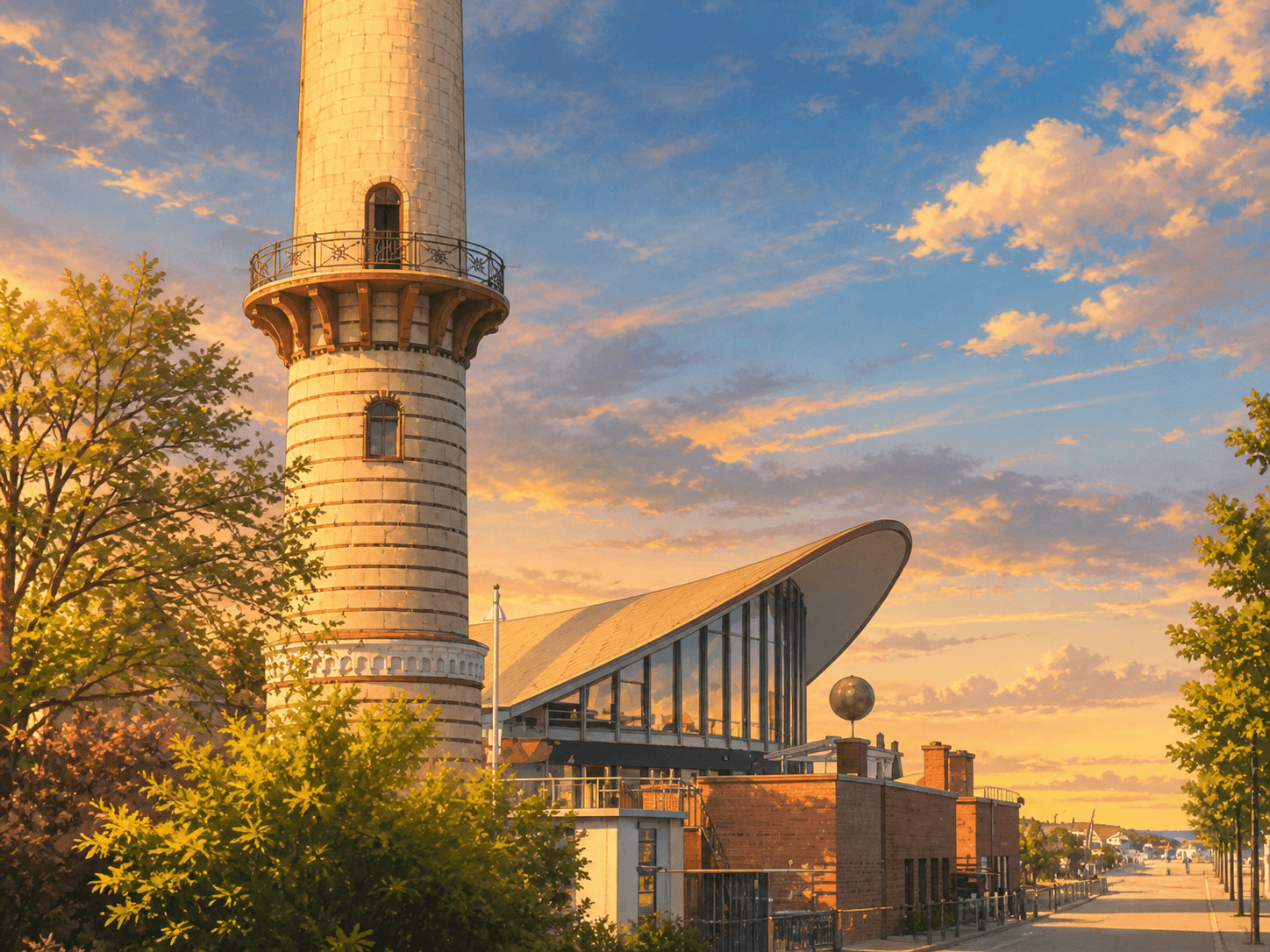
In March 2026, key urban development topics were at the forefront in Rostock – from the redevelopment of the Petritor area to the connectivity of the New Cemetery and tree protection measures and winter service regulations. This blog post analyzes the most significant developments.
Rostock Urban Development in March 2026: Construction, Mobility, and Environment in Focus
Urban development in Rostock has seen significant progress in several key areas in March 2026. With the repeal of the building plan for the Petritor area, the review of new public transport connections, and the protection plan for historic trees on Maßmannstraße, a broad range of challenges and opportunities is becoming apparent. The following analysis highlights the most important decisions and their backgrounds.
1. Petritor Area: From Competition Planning to Privatization
The Petritor area, a central urban development hub, has been the subject of a competition since 2016. Following extensive planning and various discussions, Rostock’s Committee for Urban Development and the Environment decided in March 2026 to repeal the building plan. Area A will now be privatized, while the reconstruction of the Petritor remains postponed indefinitely.
This decision reflects financial reality: The already invested funds (1.046 million euros) could not be fully refinanced. Moreover, the long-term funding of public use is uncertain. The privatization is now considered more urban development-sensible in order to utilize land value while ensuring necessary investments in the city center.
2. Public Transport and Mobility: New Bus Lines, No Tram Connection
Another focus was mobility planning, particularly the connection to the New Cemetery. The planned tram connection was rejected for financial and planning reasons. Instead, a new bus line will be introduced with a 10-minute frequency, connecting the cemetery with the city center, the main station, and the university hospital.
This step emphasizes a pragmatic approach to limited resources. The costs for the West Tram line have already risen to 14 million euros, and additional connections would not be financially feasible. Additionally, the cost savings in the bus sector are not sufficient to offset the increased costs.
3. Environment and Trees: Protection Measures in Maßmannstraße
The preservation of urban green spaces and trees is a central topic in Rostock's urban development. In Maßmannstraße, where historic lindens over 100 years old are heavily damaged by parking use, concrete protection measures have been decided. These include soil aeration (Treelife method), barriers, planting of perennials, and replanting after five years. The costs for these measures amount to approximately 99,000 euros, financed by the Tree Fund and the municipal budget.
These measures show how the city attempts to balance urban use and environmental services. At the same time, winter service is being critically reviewed, with the aim of optimizing the use of de-icing salt and making regulations for operators more flexible.
4. Security and Civil Protection: Shelter Spaces and Mowing Robots
Given the current geopolitical situation, Rostock has intensified its focus on security and civil protection. The mayor has been tasked with compiling a list of all existing structural protection facilities (bunkers, protective buildings) and examining their recognition by federal authorities. The goal is to make existing shelter spaces usable for civil protection.
Another regulation concerns the use of lawn mowing robots: A nighttime driving ban (22:00–6:00) and a nighttime driving ban from half an hour before sunset to half an hour after sunrise were decided. These measures aim to reduce noise pollution and improve the quality of life in the neighborhoods.
5. Finance and Budget: Challenges and Priorities
Financial decisions also shaped the debates. The protection measures in Maßmannstraße were financed from the Tree Fund and the budget, while the financing of the West Tram due to cost increases and lack of subsidies remained problematic. In addition, the question of public toilet financing via the tourist tax was discussed – a topic of great relevance in tourist areas like Warnemünde.
6. Warnemünde: Structural Planning and Tourism Development
Another focus was on updating the structural concept for Warnemünde. Developments such as the school campus, the shipyard basin, and the Mittelmole show how tourism and the maritime-oriented economy in Rostock are to be further developed. The legal validity of several building plans is planned until 2028, and the planning of a new toilet at the beach parking lot is in progress.
Outlook
The decisions in March 2026 show how Rostock is navigating financial, urban planning, and climatic challenges. The city is seeking pragmatic solutions that ensure the quality of life for its citizens while also addressing economic and tourism developments. In the coming months, it will be particularly interesting to observe how the new bus connections function, what effects the winter service regulations will have, and whether the planned building projects in Warnemünde can be implemented in time.
NeoSearch analyses public council documents, committee minutes and municipal announcements. Source references appear automatically once verified meeting data is available.
What does this mean for businesses?
Urban development, zoning plans and commercial settlements create early construction and supply opportunities. Following council decisions reveals projects before they go to tender.
Track similar decisions in your region
Set up monitoring for economic development in Mecklenburg-Vorpommern — prefilled from this article.
Set up monitoring →More signals from Rostock
Opening Hours Ordinance and Touristic Development in Rostock – Spotlight on April 2026
In April 2026, the adjustment of the state opening hours ordinance was at the center of political debate in Rostock. The Tourism Committee intensely discussed how to better support retail in tourist areas. In addition, the updated structural concept for Warnemünde was presented.
Read more → Rostock Prioritizes Noise Reduction – The 4th Update of the Noise Action Plan
In April 2026, the Hanseatic and university city of Rostock approved the 4th update of its Noise Action Plan. The goal is to reduce noise exposure for residents and protect public health. The focus is on 60 identified noise hotspots and 30 proposed measures. This blog analyzes the background, decisions, and implications.
Read more → Youth Policy in Rostock: Decisions, Structures, and Perspectives in April 2026
In April 2026, Rostock focused on key decisions regarding youth support. The Youth Welfare Committee convened, elected new leadership, and adopted a guideline for the professional staffing of out-of-home youth support services. This deep dive shows how these decisions shape the future of youth promotion in the Hanseatic city.
Read more →