Governance in Witzenhausen: Transparent Decision-Making Processes in March 2026
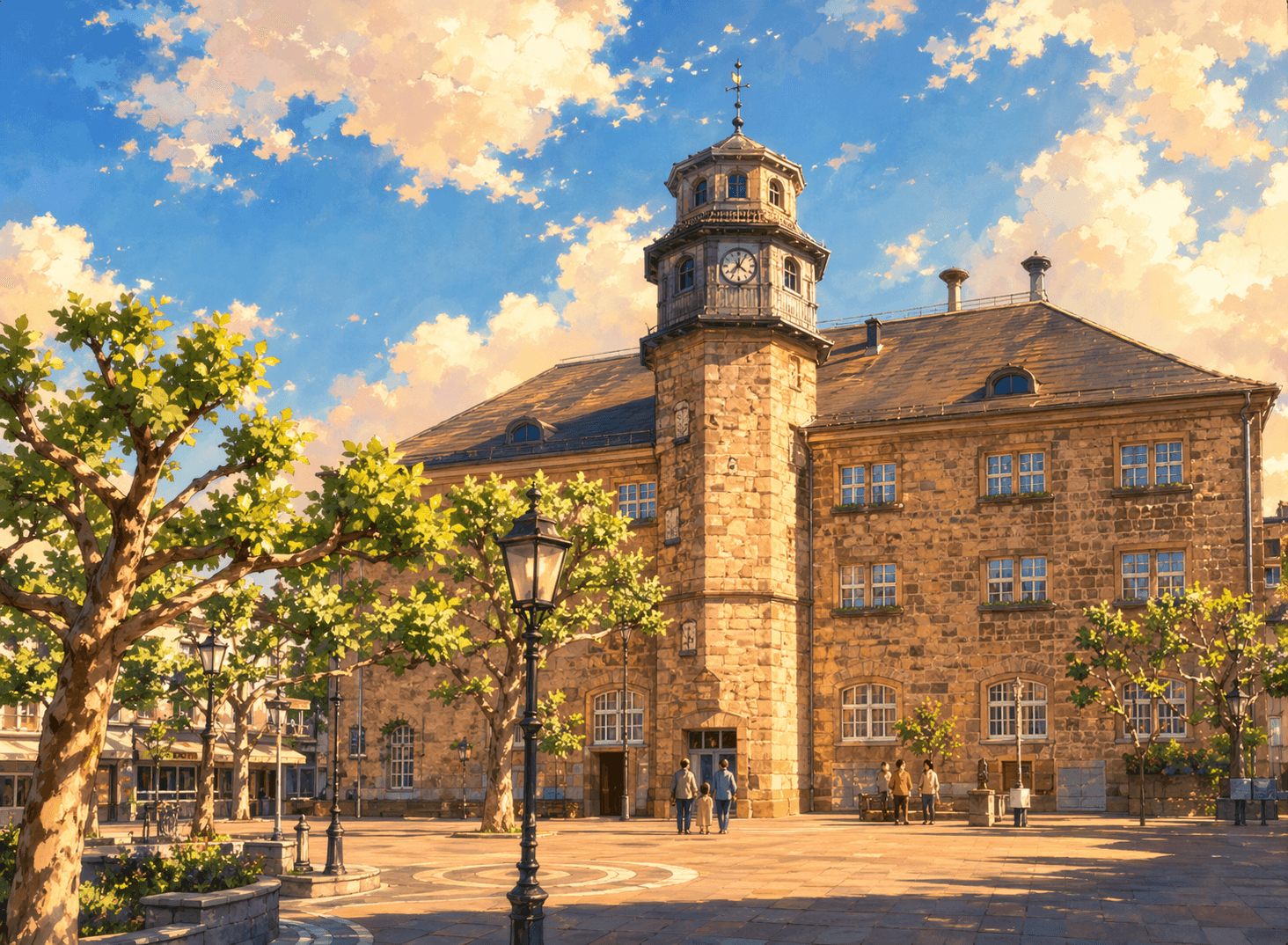
In March 2026, the town of Witzenhausen engaged intensively with governance and administrative issues. Numerous local advisory boards met, discussed local projects, and prepared for the local elections. An overview of the most important decisions and processes.
Governance and Administration in Witzenhausen: Local Democracy in Action
In March 2026, the town of Witzenhausen was characterized by a wide range of public meetings in which local decision-making processes were conducted in a transparent and citizen-friendly manner. Against the backdrop of the upcoming local elections on March 15, 2026, topics such as budget planning, crisis preparedness, and the preparation of new committees were in focus.
The local advisory boards played a central role in these processes. They met in almost all districts, discussed local projects, approvals, applications, and preparations for the new legislative period. In addition, the administration used digital tools such as the meeting software Session to make the processes more efficient and more accessible to citizens.
Transparent Processes: The Work of the Local Advisory Boards
In March, numerous public meetings took place in the districts of Dohrenbach, Ziegenhagen, Werleshausen, Kleinalmerode, Gertenbach, and other locations. The agendas followed a similar pattern: After the opening and welcome, the minutes of the previous meeting were approved. Subsequently, local projects such as land consolidation plans, renovation strategies, or sports concepts were discussed.
An example of a unanimous decision was the approval of land consolidation in the Kirchweg in Dohrenbach. In Werleshausen, a concept for preparedness in the event of long-term power outages was presented and approved. The local advisory boards demonstrated not only efficiency, but also a high level of citizen participation, particularly in topics such as the establishment of WhatsApp information channels or the planning of public information events.
The preparation for the local elections was also a central topic. In the meetings, dates for training sessions for electoral committees were announced, and the constitutive meetings of the new local advisory boards were scheduled.
Communication and Citizen Participation: Digital and Traditional Approaches
The town of Witzenhausen deliberately used multiple channels to inform citizens about decision-making processes. Official announcements were published in local newspapers and on the city's website. At the same time, digital tools such as the WhatsApp information channel in Kleinalmerode were set up to communicate more quickly and directly with the population.
In some cases, traditional forms of citizen participation also played a role. For example, suggestions from the local advisory boards were taken up regarding topics such as fiber optic network expansion or the cycle path network. Particularly in Gertenbach, advisory board members actively discussed with a citizens' initiative that was advocating for a traffic light at an intersection.
Transparency was also emphasized: All meetings were public, and minutes as well as official announcements were available in the town halls or accessible online. This openness fosters trust in local decision-making processes and strengthens democratic participation.
Challenges and Outlook: Preparing for the New Legislative Period
One of the biggest challenges was aligning the transitions between the legislative periods. After the local elections on March 15, 2026, the constitutive meetings of the new local advisory boards had to take place in the following weeks. The current administration and local mayors worked closely together to ensure a smooth process.
In addition, several projects were in focus whose implementation had to be postponed to the next legislative period due to budget constraints or long-term planning. For example, in Werleshausen, it became clear that renovation work on the community center would only be possible from 2030 onwards, as the budget security concept until 2029 does not allow for additional funds.
The local elections also provided the opportunity to introduce new structures and ideas into the local advisory boards. In several districts, new candidates were included in the election campaign, and slogans such as "Together for Kleinalmerode" or similar formulations emphasized the focus on cooperation and citizen-oriented politics.
Conclusion: Governance as a Central Driver of Local Democracy
March 2026 was a month in Witzenhausen in which local governance became visible. The local advisory boards showed how citizen-oriented politics can work when it strengthens transparency, dialogue, and participatory processes. At the same time, the challenges of prudent financial planning and the transitions between legislative periods were addressed.
Looking ahead to the coming months, it will be interesting to see how the new local advisory boards take up the topics discussed in the previous legislative period. The town of Witzenhausen has shown in March 2026 that local democracy is not only possible, but also vibrant – and that not only in town halls, but also in the village and the community center.
NeoSearch analyses public council documents, committee minutes and municipal announcements. Source references appear automatically once verified meeting data is available.
What does this mean for businesses?
Town halls, fire stations, depots and administrative buildings create early construction and refurbishment opportunities. Following council agendas reveals projects before they go to tender.
Track similar decisions in your region
Set up monitoring for public buildings & administration in Hessen — prefilled from this article.
Set up monitoring →More signals from Witzenhausen
Youth Politics in Witzenhausen: Project Ideas in Focus
In April 2026, the project ideas of young people were in the spotlight in Witzenhausen. The Youth Council met at the Intergenerational Center to discuss concrete proposals for the year 2026. The Deep-Dive reveals what topics were discussed, what structures exist, and what challenges remain.
Read more → Governance in Witzenhausen: How the Municipality is Reorganizing
In the week of April 2026, the city of Witzenhausen set new directions in local governance. Numerous local advisory boards were reconstituted, committees reformed, and voluntary structures strengthened. An overview of the most important decisions and developments.
Read more → April 2026: Local Democracy in Action – A Look Back at the Local Council Elections
April 2026 was marked by the establishment of newly elected local councils in Witzenhausen. Numerous committees were reorganized in the districts, elected their chairpersons, and officially bid farewell to outgoing members. Here is an overview of the most important developments.
Read more →