Wiesbaden: Urban Development and Construction Planning in March 2026 – Focus on Sustainability and Social Infrastructure
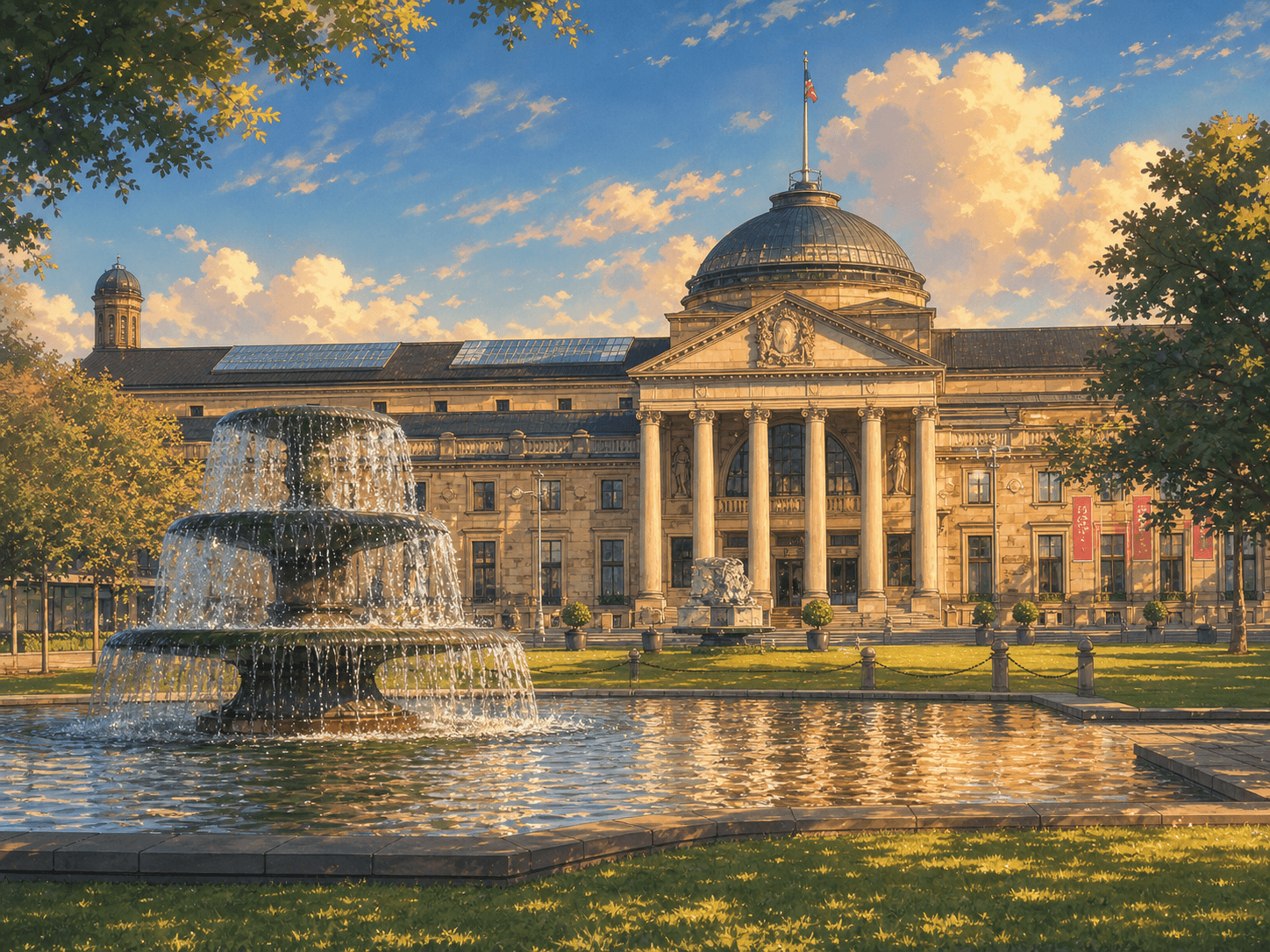
In March 2026, the Local Council of Mainz-Kastel engaged intensively with key urban development topics. From zoning procedures to urban art and social facilities – the decisions reflect Wiesbaden's direction toward sustainable neighborhood development.
Urban Development in Wiesbaden: March 2026 in Focus
Wiesbaden has been steering its urban development toward a future-oriented, sustainable, and socially focused direction for some time. In March 2026, Mainz-Kastel became a focal point for significant decisions and planning initiatives that affect both urban development progress and social and cultural aspects. The Local Council thoroughly discussed topics such as zoning, traffic safety, cultural development, and the use of vacant spaces.
Zoning Plan "Clemens-Areal": The Guiding Principle for Neighborhood Development
One of the central topics was the implementation of the zoning plan "Clemens-Areal." With an area of approximately 5.4 hectares and a clear objective – conversion, infill development, and housing supply – Wiesbaden demonstrates its ability to tackle complex urban development challenges. The zoning plan was adopted under § 13a of the Building Code (BauGB) and is part of a strategic neighborhood development that includes 30% subsidized housing.
The planning also takes ecological factors into account, such as emission levels, air circulation paths, and climate adaptation. Early public participation and coordination with neighboring municipalities and authorities signal a transparent and citizen-oriented planning process. The urban development master agreement has already been notarized, and funding is provided from the city budget.
Street Art and Cultural Development: Kastel as an Urban Art Hub
Another exciting project is the development of Kastel as a hub for urban art. The Local Council has expressed support for integrating Street Art and Urban Art into neighborhood development. Proposals for a "Street Art Pocket Park" and an expansion of the Brückenkopf Gallery illustrate how artistic design can serve as a bridge between the city and its residents.
Particularly noteworthy is the collaboration with the "Meeting of Styles" festival, which, with its international network and artistic quality, will serve as a partner in the development. The inclusion of historically protected buildings in the artistic development also reflects a sensitive approach to urban culture and history.
Social Infrastructure: Neighborhood Office and Parenting Advice
The establishment of a neighborhood office and a parenting advice center within the AKK (Alte Kaserne Kastel) is another key focus that was decided in the meeting. The use of vacant municipal spaces in the upper floors of the local administration in Kastel/Kostheim is not only a cost-effective solution but also a step toward strengthening social infrastructure in the southeastern districts.
The proposed services aim to relieve families and simultaneously strengthen local amenities. The good accessibility via public transport and nearby residential areas underlines the strategic location. The decision was unanimous and demonstrates the willingness to integrate social issues into urban development.
30 km/h Zones: Traffic Safety in Focus
In connection with the use of the district sports facility in Kastel, it was decided to introduce 30 km/h zones on several streets. The affected streets (Jakob-Schick-Straße, Am Weyer, Schmalweg, Ludwig-Wolker-Straße) are characterized by residential buildings, commercial areas, and social facilities. The introduction of the 30 km/h zones is justified by the high frequency of school and club sports, as well as the complexity of the traffic situation.
The decision was unanimously made on March 3, 2026, and marks a step toward ensuring safe traffic conditions for children and young people using the sports field.
Outlook: Neighborhood Development as a City-Wide Responsibility
The decisions made in March 2026 show how Wiesbaden is shaping its urban development as a comprehensive concept. From the planning of housing to the integration of cultural elements and the strengthening of social infrastructure – the city is following a clear path. Public involvement, sustainability, and cultural diversity are key levers in this process.
With the upcoming inaugural meeting of the new Local Council in April 2026, it will become clear whether and how the approved projects will be implemented. The challenges are significant, but the prerequisites for a vibrant, sustainable, and socially oriented urban development are in place.
NeoSearch analyses public council documents, committee minutes and municipal announcements. Source references appear automatically once verified meeting data is available.
What does this mean for businesses?
Urban development, zoning plans and commercial settlements create early construction and supply opportunities. Following council decisions reveals projects before they go to tender.
Track similar decisions in your region
Set up monitoring for economic development in Hessen — prefilled from this article.
Set up monitoring →More signals from Wiesbaden
Wiesbaden Builds New Kindergartens – Focus on Medenbach and Erbenheim
In April 2026, Wiesbaden will see an intensive expansion of municipal childcare. In Medenbach, the replacement of a dilapidated kindergarten is planned, while a new, modern facility will be built in the district of Erbenheim. This blog explores the background, costs, and impacts.
Read more → Youth Participation in Wiesbaden: Recent Developments and Perspectives
In April 2026, Wiesbaden took important steps in youth participation. With the election of the chairperson and the establishment of representatives, the Youth Parliament will systematically begin its work. We analyze the developments, backgrounds, and implications.
Read more → Sports Promotion in Wiesbaden: An Analysis of the April 2026 Decisions
In April 2026, Wiesbaden sent a clear signal of support for local sports clubs, particularly in the district of Frauenstein. The local council approved a significant grant for a youth tournament visit by a club. This article explores the background, decision-making process, and potential impacts on the city's sports infrastructure.
Read more →