Climate Protection in Darmstadt: Focus on Heat Planning, Land Development and Citizen Participation in February 2026
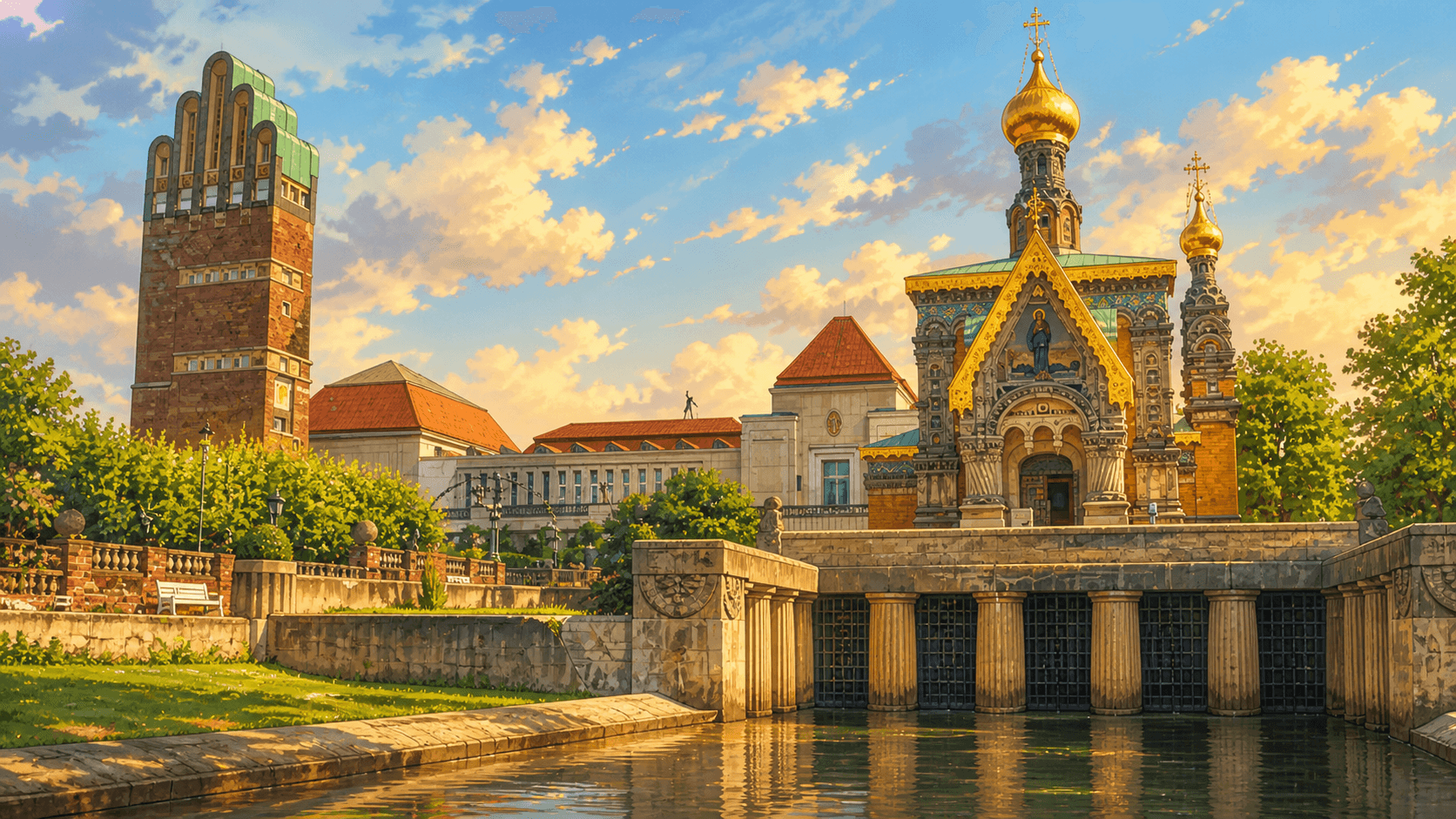
In February 2026, Darmstadt was at the center of decisive discussions and decisions in the areas of climate protection, sustainability and urban planning. The city set new impulses for climate-friendly heat planning, strengthened its participation in national climate protection programs, and addressed controversial land use topics. This blog analyzes the key developments from the perspective of environmental and climate policy.
Climate Protection in Darmstadt: Between Planning, Citizen Participation and Land Policy
The science city of Darmstadt has established itself as a pioneer in regional climate policy in recent years. In February 2026, the Committee for Climate Protection, Sustainability, Environment and Urban Planning set new priorities with a number of decisions and discussions. In particular, the municipal heat planning, participation in the "KlimaWildnis" Action Program, and the controversial land use plans for Gräfenhäuser Straße and Leydheckerstraße attracted widespread attention and political debate.
Municipal Heat Planning: A Decisive Step for Climate Protection
Municipal heat planning is a central pillar of Darmstadt's climate protection strategy. It aims to reduce energy consumption in heat supply and significantly lower greenhouse gas emissions. During the 35th meeting of the committee, the proposal for municipal heat planning was unanimously approved, with the exception of the FDP faction and the UFFBASSE faction.
The heat planning includes the expansion of renewable energies, the promotion of local heating networks, and the energetic renovation of buildings. Special attention was paid to supporting private property owners through the Darmstadt Modernization Convoy Program, which is being evaluated in a master's thesis. These measures are not only necessary to achieve climate goals, but also to ensure an affordable and climate-friendly energy supply in the future.
KlimaWildnis: Darmstadt Participates in Natural Climate Protection
Another important project approved in February 2026 is Darmstadt's participation in the "KlimaWildnis" Action Program. The goal of the federal program is to increase carbon sequestration and strengthen biodiversity by creating and maintaining climate forests. The science city will actively participate in the development of such areas, which offers not only ecological but also social benefits – for example, through educational programs and leisure activities in harmony with nature.
The unanimous approval in the committee underscores the city's willingness to be a pioneer in this area. At the same time, it shows that there is a broad political consensus in Darmstadt for measures that combine climate and nature protection.
Land Development and Resistance: Gräfenhäuser Straße in the Spotlight
The amendment to the land use plan for Gräfenhäuser Straße and Leydheckerstraße remained a politically controversial topic in February 2026. Although the committee recommended that the changes be approved by the municipal council, there were opposing votes – mainly from the FDP faction. The discussions showed that there are still tensions between climate-friendly urban planning and economic interests in the handling of urban land.
The city aims to create not only housing with the redesign of the areas, but also to pay attention to sustainability and climate protection. This requires a careful balance between the requirements of the population, business and climate policy. The approval of the amendment is a step in this direction – but the debate will likely continue in the coming months.
Citizen Participation and Future Actions
Another highlight of February was the discussion on citizen participation in the monitoring of the flight route Cindy S. The committee unanimously recommended the establishment of a citizens' committee to accompany the monitoring – even though the FDP and CDU voted against it. The establishment of a citizens' committee is an important signal for transparency and participation in climate policy. It enables citizens to actively influence decision-making processes that directly affect them.
In addition, several future actions were announced during the meeting, including the Earth Hour on March 28, 2026, when the Hochzeitsturm will be turned off for one hour, as well as the "abpflastern" competition, which runs until October and promotes initiatives to de-seal public areas. Such initiatives strengthen awareness of climate protection and show that Darmstadt remains active not only politically, but also culturally and socially.
Outlook: Climate Protection in Practice
February 2026 has shown that Darmstadt is on the right path to achieve its climate goals. At the same time, the debates on land development and citizen participation indicate that there are always challenges in the climate protection process that need to be overcome. With municipal heat planning, participation in "KlimaWildnis" and the strengthening of citizen participation, the city is setting important milestones for a sustainable future.
In the coming months, it will be particularly important to consistently implement the approved projects and transparently communicate the results. Only in this way can Darmstadt remain a model for other cities in the region and beyond.
NeoSearch analyses public council documents, committee minutes and municipal announcements. Source references appear automatically once verified meeting data is available.
What does this mean for businesses?
Municipal heat planning, photovoltaics and climate measures create early project indicators. Following council decisions surfaces sites and tenders before they are publicly advertised.
Track similar decisions in your region
Set up monitoring for environment & climate in Hessen — prefilled from this article.
Set up monitoring →More signals from Darmstadt
Housing and Social Affairs in Darmstadt: Outlook and Decisions in April 2026
In April 2026, Darmstadt was set to make several important decisions in the areas of social policy and housing support. The Committee for Social Affairs, Equality, Family, Childcare, and Housing focused on labor market integration, equality, and affordable housing.
Read more → Darmstadt invests in the future: Education Centre and Vocational School Development Plan 2025–2030
In April 2026, Darmstadt laid the foundation for long-term investments in education and digital infrastructure. The Committee for Education, Schools, and Digitalisation unanimously approved an organisational review and funding for the Education Centre starting in 2027 as well as for the Vocational School Development Plan.
Read more → Governance in Darmstadt: Structural Adjustments and Decision-Making Processes in April 2026
In April 2026, the city of Darmstadt laid the foundation for a new political and administrative structure. With the constitution of the City Council, the election of deputy mayors, and the revision of procedural rules, a new chapter in governance began. This blog article analyzes how Darmstadt made decisions regarding its administrative framework in April 2026 and what implications this may have for the city's future.
Read more →