Mobility in Altona – Challenges and Developments in March 2026
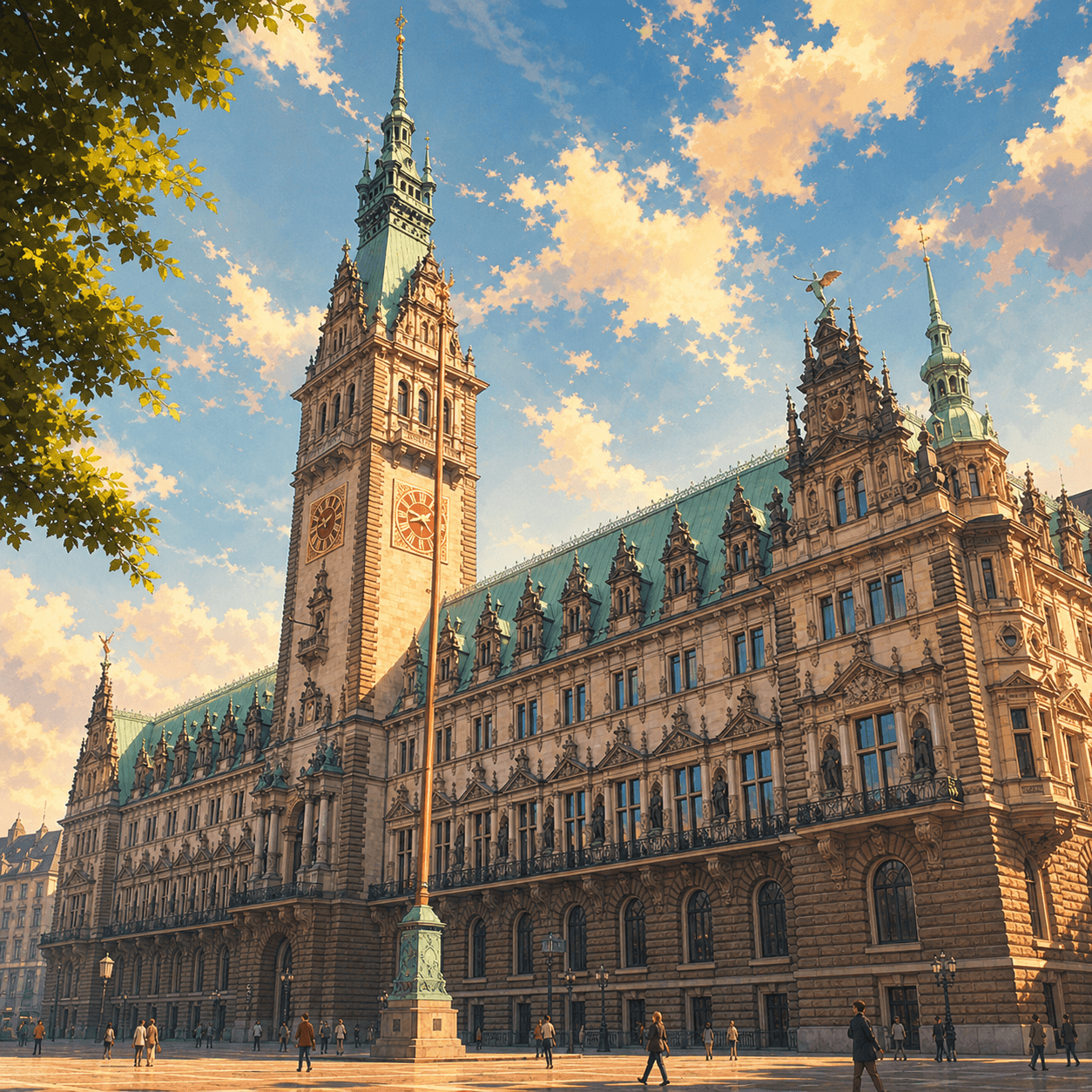
In March 2026, a range of mobility topics were at the forefront in Altona: parking shortages, traffic calming, public transport expansion, and preparations for major events and construction projects. An overview of the most important decisions and debates.
Mobility in Altona: Challenges and Developments in March 2026
The mobility situation in Altona continues to develop dynamically. In March 2026, particular attention was given to questions of parking availability, road traffic safety, the development of cycle infrastructure, and the adaptation of public transport to increasing demand. At the same time, the city is preparing for major construction projects such as the closure of Elbchaussee and potential impacts from the Olympic Games in 2040/2044.
Parking Shortages and Conflicts of Interest
In the Mobility Committee, an intense debate arose regarding the parking situation in several Altona streets. Particularly critical were the developments in the Röhrigstraße and Struenseestraße, where parking bans and the loss of parking spaces are affecting residents. In the Röhrigstraße, a parking ban on one side of the street was discussed, which met with resistance. Critics emphasized that kerb-side parking not only enhances safety but also improves the quality of life in narrow street sections. In the Struenseestraße, where the school campus is located, parking shortages at schools remain a recurring issue.
These discussions highlight how delicate the balance is between managing traffic space and addressing the interests of residents. In the Zeiseweg area, the redesign of parking space was also a focal point, which, according to the council, should be implemented based on public opinion. However, the question of who is responsible for planning and implementing these changes – Altoba or the city hall – remains unresolved.
Public Transport and Mobility Bottlenecks
Another central topic was the Bus Line 21 in Osdorf, which is heavily overloaded due to construction and capacity constraints. The frequency was reduced from every four to every ten minutes, causing significant inconvenience especially during rush and school hours. At the moment, an alternative route is not feasible. In addition, no relief measures are available from other lines. The debate shows clearly that public transport in Altona is reaching its limits when infrastructure measures are not planned in line with traffic development.
At major events such as those in the Volkspark, public transport is also under pressure. Therefore, planning for support options for incoming traffic is a central point in the preparation process.
Safety and Traffic Calming in Focus
In the area of road safety, several initiatives were highlighted. A safety concept for pedestrian crossings was approved in the Chemnitzstraße, aiming at the expansion of pedestrian crossings. In the Windmühlenweg area, a proposal for a temporary one-way street during peak hours was discussed to improve the safety of school routes. In addition, the introduction of 30 km/h speed limits has been decided for several streets, including Regerstraße, Franzosenkoppel, and Oderstraße. These measures are intended not only to increase safety but also to slow down traffic and improve the quality of life in the districts.
Cycling and Infrastructure Development
Cycling infrastructure remains a central point in mobility planning. A feasibility study for improving the cycling infrastructure was commissioned in the Barnerstraße / Behringstraße area. At the same time, the situation on the Sülldorfer and Osdorfer Landstraße is being closely monitored, where the cycle paths are narrow and uneven. The district assembly is calling for a quick and cost-effective renovation. In the Rugenbarg, a section of the cycle path has already been removed, which has caused dissatisfaction.
A Look into the Future: Elbchaussee and the Olympic Games
The closure of Elbchaussee from May 2026 is causing unrest in Altona. The Westliche Bernadottestraße is being used as a detour route, which will heavily burden traffic in that area. An information event is planned for April. At the same time, Altona is preparing for the possible hosting of the Olympic Games 2040/2044. Altona is to host the Olympic Village, which will require major infrastructure measures. These include the relocation of the long-distance train station to Diebsteich and the planning of the S6 to DESY.
Conclusion: Mobility as a Central Design Factor
The mobility developments in Altona show how complex the challenges are. From parking shortages to major construction projects and future major events, the city must act on many levels. At the same time, it becomes clear that public participation and transparent communication are crucial. Whether it is 30 km/h speed limits, e-charging points, or traffic calming – the decisions have far-reaching effects on the daily lives of Altona residents. In the coming months, it will therefore be particularly important to consistently implement the planned measures and to react flexibly to changes.
NeoSearch analyses public council documents, committee minutes and municipal announcements. Source references appear automatically once verified meeting data is available.
What does this mean for businesses?
Municipal council decisions are early indicators: following the council agenda surfaces projects and tenders months before the official award — before they ever reach the procurement portals.
Track similar decisions in your region
Set up monitoring for kommunale Projekte in Hamburg — prefilled from this article.
Set up monitoring →More signals from Hamburg
Social Security and Housing in Wandsbek – April 2026 in Focus
In April 2026, the Social Committee in Wandsbek intensively addressed the provision of medical care in Steilshoop, the strengthening of democratic structures, and the promotion of social participation. This in-depth blog analyzes the most important decisions, background, and consequences.
Read more → Budget and Financial Policy in Wandsbeck: April 2026 in Focus
In Wandsbeck, key budget initiatives and financial questions were discussed and partially decided in April 2026. The Committee for Finance, Sports, and Culture intensively addressed the allocation of funds for cultural projects, the Youth Advisory Council, and the advance payment from the municipal funding pool.
Read more → Youth Policy in Wandsbeck – April 2026 in Focus
In April 2026, Wandsbeck focused on a variety of youth policy topics. The Youth Welfare Committee addressed subsidies for the Deutschlandticket, international exchange programs, and youth participation. This blog provides an overview of the most important decisions and their background.
Read more →