Altona 2026: Urban Development in Focus – Housing, Mobility, and Climate
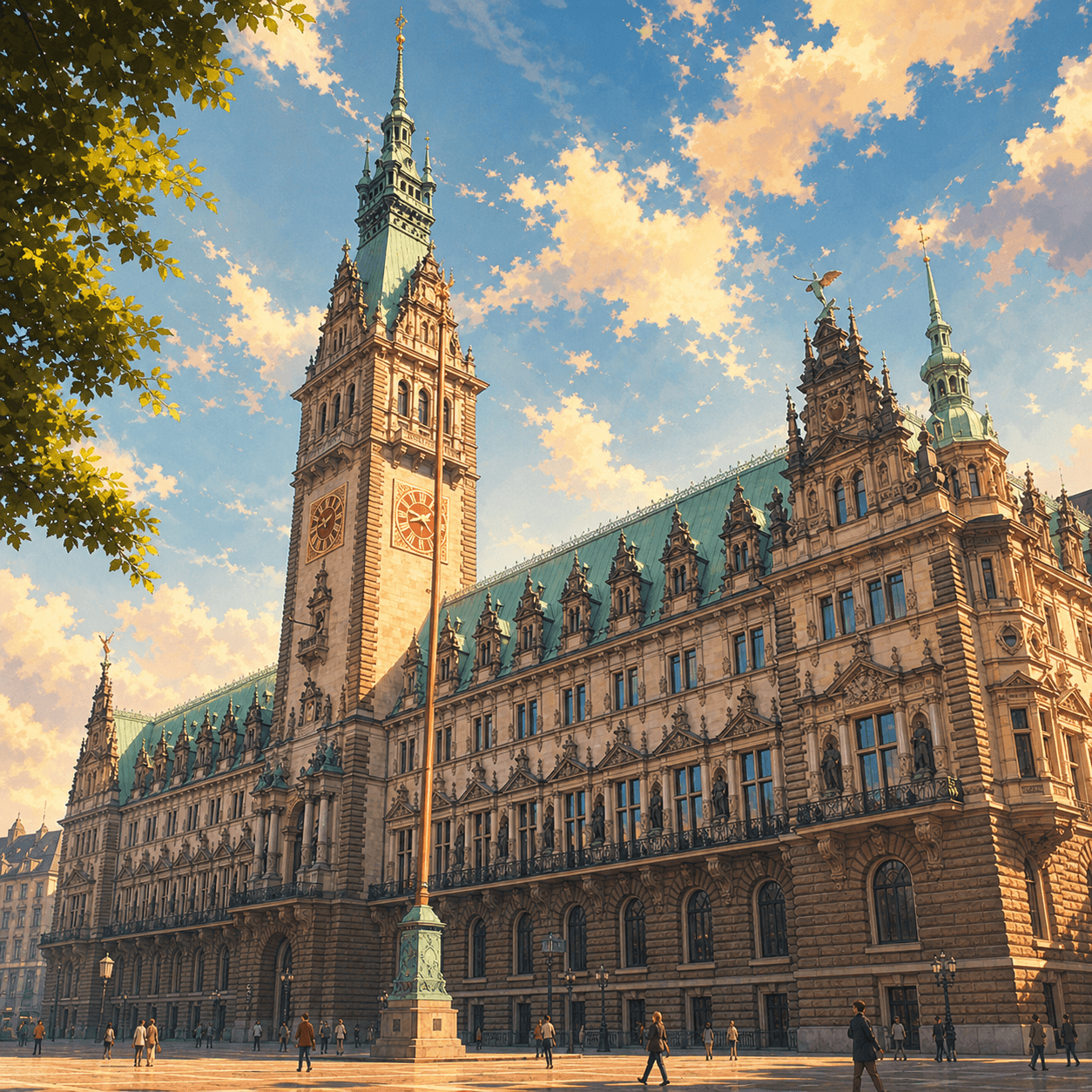
In March 2026, important decisions on urban development took center stage in Altona – from accelerated housing construction to climate-friendly district concepts. This blog provides a detailed overview of the political and urban planning developments.
Urban Development in Altona: Analysis of March 2026
The city of Altona, a dynamic part of Hamburg, proved to be a central actor in urban and social transformation in March 2026. With central topics such as housing construction, mobility, climate protection, and digitalization, the district of Altona set not only quantitative but also qualitative impulses. In this analysis, we illuminate the most important decisions and developments of the month.
Housing on an Accelerated Course: The "Bauturbo" in Altona
In March 2026, the Volt faction in the Altona Urban Development Committee submitted a motion to implement the "Bauturbo" procedure under § 246e of the Building Code (BauGB) in order to accelerate housing construction. The aim is to meet the urgent demand for housing through expedited planning processes.
The discussion surrounding this procedure was not only technical but also political. The Volt faction emphasized that the current housing shortage in Altona requires urgent action. Critics from the Greens, on the other hand, warned that too rapid a process could affect public participation and the quality of planning.
But the decision was clear: The "Bauturbo" procedure will be applied in Altona – in compliance with urban planning and environmental law requirements. The district assembly is requested to develop a data protection-compliant concept for the digitalization of existing and new building records in order to make the process transparent and efficient.
Climate-Friendly Districts: From Construction to Greening
Another central topic was climate neutrality in urban development. In several projects, particularly the urban development plan for Ottensen 67, specific requirements for roof greening, extensive greening of inner courtyards, and the creation of vegetation areas were established.
71 trees were planned, 57 of them on private land – a clear response to the demand for more green areas in urban districts. In addition, provisions for the protection of valuable trees and the creation of nesting boxes for bats and house sparrows were set.
Climate change adaptation also played a role: The planning considered not only climate protection but also social infrastructure. The urban development plan for Ottensen 67, for example, provides for 161 subsidized housing units, 10% of which are reserved for households with urgent housing needs.
Rethinking Mobility: Pedestrian and Cycle Paths in the Spotlight
Mobility planning in Altona is another example of the consistent implementation of urban planning visions. An urgent motion proposed the creation of pedestrian and cycle path connections between Bahrenfeld, Ottensen, and the new center of Altona. The goal is to reduce individual traffic while simultaneously increasing the permeability of the district.
The planning of a model street with sidewalks, roadways, and long-term parking spaces, as well as barrier-free sidewalks, shows how Altona is preparing its infrastructure for the climate change. In addition, bridge and underpass options were examined to safely cross the railway tracks.
The underground garage in the Ottensen 67 plan with 370 car parking spaces and 1,300 bicycle parking spaces shows that Altona is actively supporting the trend toward electromobility. 42 electric vehicle charging stations are planned – a clear signal for the future of mobility.
Digital Building Records: The Way to the Future
The digitalization of building records is another central project that the Altona administration has put into focus. The goal is to fully digitize the process of viewing and editing building records.
Currently, access is via email with a subsequent on-site appointment – a process that works but is not efficient enough. The district assembly is asked to present a data protection-compliant concept for digital building record access by June 2026.
Digitalization is not only a technical project but also a political signal: Altona wants to act transparently, close to the citizens, and efficiently. The costs for digitalization should be centrally borne in order not to burden building owners.
Conclusion: Altona as a Model City for Sustainable Urban Development
March 2026 has shown that Altona does not only react but actively shapes the future. With the "Bauturbo" procedure, climate-friendly district concepts, and comprehensive mobility planning, the district has set a clear course. The digitalization of building records is not only a technical project but also a step toward modern, citizen-oriented administration.
The challenges remain – the housing shortage, climate change, and the digitalization of administration are not short-term projects. Yet Altona demonstrates with its political will and urban planning vision that the future of urban development lies in the hands of people – and that Hamburg can be a role model for other cities.
NeoSearch analyses public council documents, committee minutes and municipal announcements. Source references appear automatically once verified meeting data is available.
What does this mean for businesses?
Urban development, zoning plans and commercial settlements create early construction and supply opportunities. Following council decisions reveals projects before they go to tender.
Track similar decisions in your region
Set up monitoring for economic development in Hamburg — prefilled from this article.
Set up monitoring →More signals from Hamburg
Social Security and Housing in Wandsbek – April 2026 in Focus
In April 2026, the Social Committee in Wandsbek intensively addressed the provision of medical care in Steilshoop, the strengthening of democratic structures, and the promotion of social participation. This in-depth blog analyzes the most important decisions, background, and consequences.
Read more → Budget and Financial Policy in Wandsbeck: April 2026 in Focus
In Wandsbeck, key budget initiatives and financial questions were discussed and partially decided in April 2026. The Committee for Finance, Sports, and Culture intensively addressed the allocation of funds for cultural projects, the Youth Advisory Council, and the advance payment from the municipal funding pool.
Read more → Youth Policy in Wandsbeck – April 2026 in Focus
In April 2026, Wandsbeck focused on a variety of youth policy topics. The Youth Welfare Committee addressed subsidies for the Deutschlandticket, international exchange programs, and youth participation. This blog provides an overview of the most important decisions and their background.
Read more →