Bremerhaven 2026: Deep Dive into Urban Development and Construction – What Was Decided in February
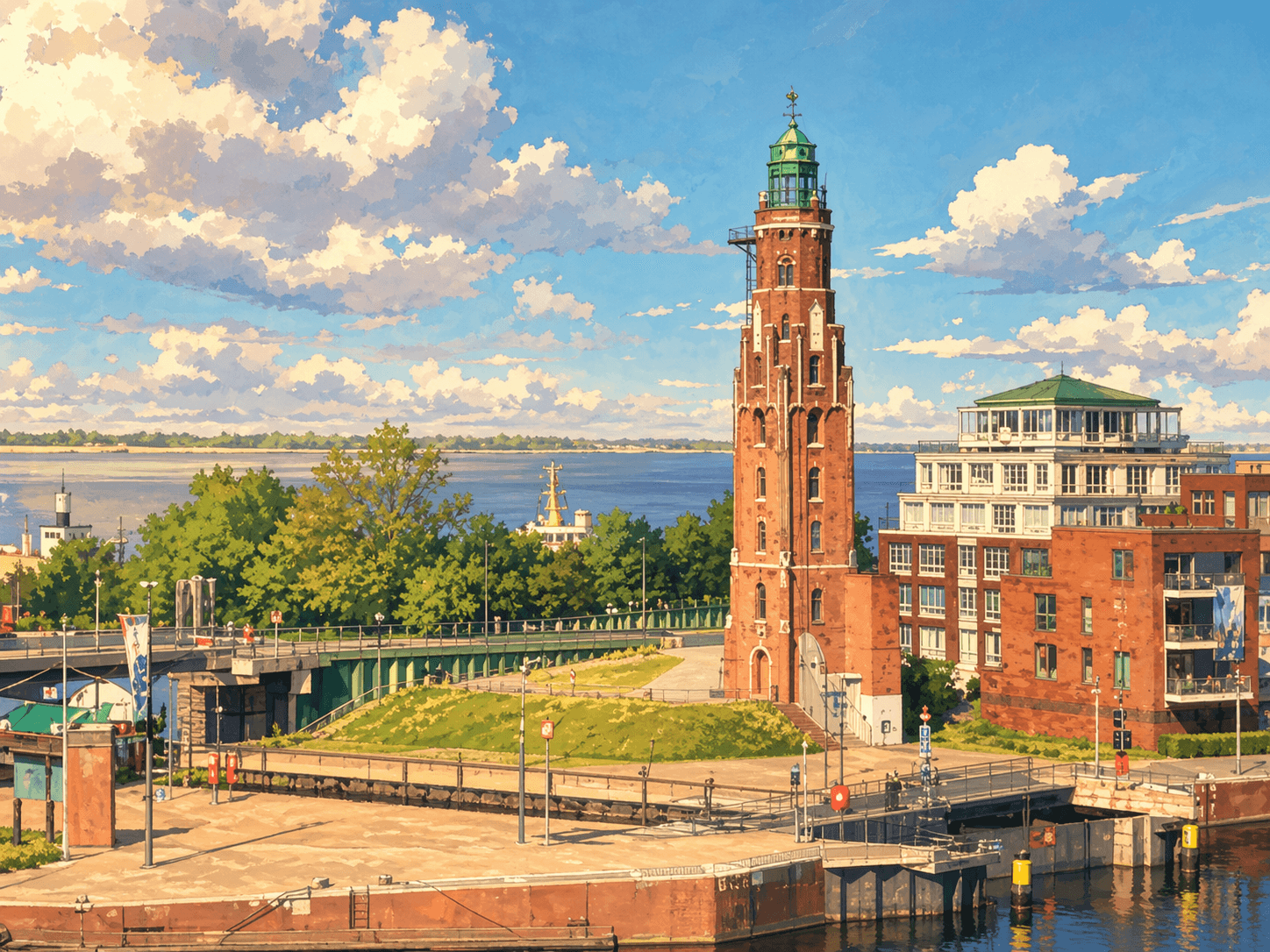
In February 2026, key measures in the field of urban development and construction were the focus in Bremerhaven. From Sponge City concepts to traffic adaptations and environmentally friendly construction projects – the city is aiming for a sustainable and future-proof development.
Bremerhaven 2026: Deep Dive into Urban Development and Construction – What Was Decided in February
Bremerhaven's urban development has been shaped in recent years by climate change, urbanization, and the need for sustainable infrastructure. This became evident in February 2026, when several central topics such as Sponge City concepts, traffic adaptations, and construction plans were decided in the City Council and various committees. The measures range from small-scale improvements to strategic planning for the city's future.
Sponge City Concept and Climate Protection
A central point of discussion was the Sponge City concept, which Bremerhaven is implementing as part of its climate protection strategy. The goal is to use rainwater locally, replenish groundwater, and prevent flooding. Citizens' questions on this topic were addressed, with the city emphasizing that these measures will be implemented step by step in the coming years.
A concrete example is the Weißenstein rainwater retention basin, the cleaning and restoration of which is planned for summer 2026. In addition, drainage measures were discussed in districts south of the Geeste River to cushion the effects of climate change locally. These projects show how Bremerhaven is actively responding to the challenges of climate change while also improving the quality of life for its residents.
Traffic Adaptations and Infrastructure
The transportation sector was particularly active in February. It was decided to switch the Stresemannstraße to a tunnel fill plan in order to save costs. Instead of a new replacement construction, the existing tunnel structure under the Eisarena will be filled, at a cost of around 1 million euros – a significant saving compared to the original 5 million euros.
Another milestone was the conversion of the Marschbrookweg into a bicycle street. The expansion is planned in two construction phases and is expected to start next year, provided the budget approval for 2026/2027 is granted. The costs are estimated at around 1.29 million euros, and the funding will come from a special program and third-party funds.
In addition, a mobility concept was updated to optimize traffic flow and strengthen the expansion of public transport. The tram study, updated in 2026, could lay the foundation for a modern transportation infrastructure.
Construction Plans and Neighborhood Development
In the district development plan for Geestemünde, significant changes were made. The preferred variant for the Kaistraße was revised, and the urban development concept "Die Werft" is now legally binding. Building Plan 500 sets the framework for housing, commerce, and culture in the Werfthafen area. In addition, it was decided to no longer use a plot of land on Wilhelm-Leuschner-Straße as a special retail area, but to designate it as urban land – a sign of a flexible and future-oriented building policy.
There were also changes to the building plan in Wulsdorf. The extension of the validity between Weserstraße and Heinrich-Kappelmann-Straße was approved to structure urban development there. The renovation of the Geestemünde urban development area was settled, and the site management will be extended until 2027 to further promote urban development there.
Finances, Funding, and Citizen Participation
The finances of the urban development sector are closely linked to funding and budget decisions. For example, the decision to fill the tunnel structure was made due to the budget situation. In addition, the funding for the Geestemünde site management for 2026/2027 was approved, with the funds coming from municipal and city programs.
Bremerhaven also remained active in terms of citizen participation. A petition regarding tree felling in the Tarnowitzer area was declared completed after the petition committee took statements into account. In addition, a youth and children's participation program with students from the Gorch Fock School took place, showing that the city is also involving the younger population in decision-making processes.
Outlook for the Future
Bremerhaven's urban development in 2026 marks a clear step toward sustainability, climate protection, and modern infrastructure. The decisions made in February show that the city is not only reacting to short-term problems but is also making long-term plans and investments for the future. With the Sponge City concept, the modernization of the transportation network, and the adaptation of building plans, Bremerhaven is on the way to becoming a livable and climate-resilient city.
NeoSearch analyses public council documents, committee minutes and municipal announcements. Source references appear automatically once verified meeting data is available.
What does this mean for businesses?
Urban development, zoning plans and commercial settlements create early construction and supply opportunities. Following council decisions reveals projects before they go to tender.
Track similar decisions in your region
Set up monitoring for economic development in Bremen — prefilled from this article.
Set up monitoring →More signals from Bremerhaven
Health Policy in Bremerhaven: Decisions in April 2026
In April 2026, Bremerhaven focused on important decisions in the healthcare sector, particularly in the hospital landscape. The Supervisory Board of the Klinikum Bremerhaven-Reinkenheide met on April 28 to discuss the future of the facility. This blog analyzes the background, decisions, and implications.
Read more → Bremerhaven in April 2026: Urban Development in Focus – Land Use Plans, Climate Protection, and Investment Strategies
In April 2026, urban development in Bremerhaven was at the center of attention. Land use planning, climate protection measures, and digital infrastructure were the focus of political discussions. This blog analyzes the most important decisions and challenges.
Read more → Sports Policy in Bremerhaven: Expansion, Safety, and Financial Adjustments in April 2026
In April 2026, the Sports and Leisure Committee in Bremerhaven highlighted a range of measures aimed at promoting infrastructure, safety, and financial sustainability in sports within the city. In addition to investments in club facilities and sports venues, topics such as usage fees, prevention concepts, and the future of sports hall financing were also in focus.
Read more →